
Lagos
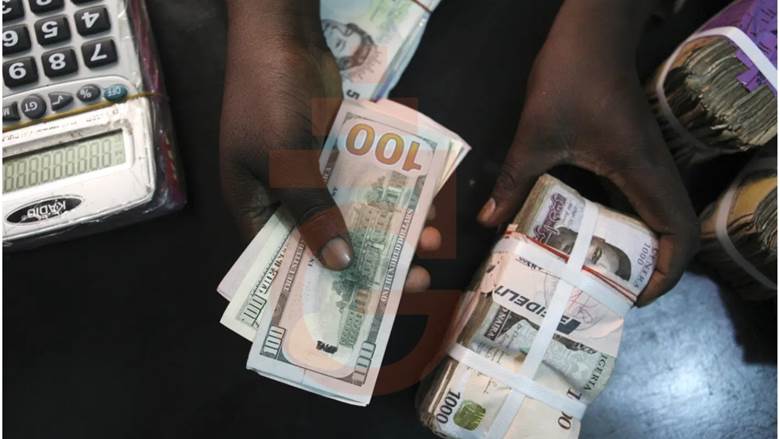
The Nigerian Naira recorded a mild decline against the US Dollar in early trading on Thursday, April 23, 2026, across both the official and parallel foreign exchange markets. The movement comes as mid-week demand for the Dollar continues to shape market activity, with analysts closely monitoring stability in the days ahead.
At the official window, the Nigerian Foreign Exchange Market (NFEM), the Naira opened slightly weaker. Data from the FMDQ Securities Exchange shows the currency trading at an average of ₦1,351.59 per $1, a small drop from earlier in the week when it hovered around the ₦1,347 range.
Market watchers say activity at the official window remains critical, especially as the Central Bank of Nigeria continues its managed float approach. This policy is aimed at reducing sharp swings in the exchange rate while ensuring that key sectors of the economy can still access foreign currency.
Meanwhile, in the parallel market, also known as the black market, the Dollar is trading significantly higher. Early reports from Bureau De Change (BDC) operators in major cities like Lagos, Abuja, and Kano show rates ranging between ₦1,465 and ₦1,480 per $1.
This creates a gap of about ₦113 between the official and parallel markets.
Traders and analysts link this wide margin to strong demand from individuals and small businesses who struggle to access Dollars through official channels. This includes people seeking Personal Travel Allowance (PTA) and small-scale importers who rely heavily on the informal market.
Nigeria operates a dual foreign exchange system, where the official market is regulated, while the parallel market responds more directly to demand and supply pressures. Over time, limited Dollar supply at official channels has pushed more demand into the informal market, widening the gap between both rates.
The country’s foreign exchange supply is also closely tied to crude oil earnings, which remain Nigeria’s main source of external revenue.
As trading continues through the day, analysts expect the Naira to stabilise if no major shocks occur. However, any intervention by the Central Bank or sudden changes in market liquidity could still influence the final exchange rate before the close of trading.