
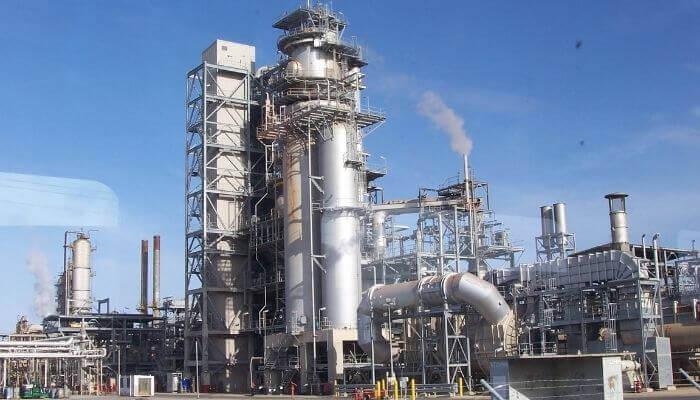
Refinery lifts gantry price to ₦1,185 per litre, underscoring the limits of local refining as global oil prices climb
LAGOS — Dangote Petroleum Refinery has raised the price of petrol by ₦20 per litre, reversing a price cut announced barely two weeks ago as rising international crude prices begin to filter through Nigeria’s domestic fuel market.
The refinery increased its petrol gantry price from ₦1,165 to ₦1,185 per litre, effective midnight on August 21, according to industry reports.
The adjustment comes as international oil prices climbed sharply amid renewed uncertainty over prospects for a US-Iran agreement and the security of crude shipments through the Strait of Hormuz.
Brent crude rose nearly 2% to $93.48 a barrel, while U.S. West Texas Intermediate gained about 2% to $86.12. Diesel prices at the Dangote refinery had already been adjusted upward as crude prices approached $94 per barrel.
From Price Cut to Price Hike
The latest increase marks a reversal of the refinery’s aggressive pricing strategy earlier this month.
On August 6, Dangote cut its petrol price by ₦50, from ₦1,215 to ₦1,165 per litre, while diesel fell by ₦80 to ₦1,570.
The refinery also expanded its free-delivery programme to Lagos, Ogun, Rivers, Kaduna, the Federal Capital Territory and Delta for bulk purchases exceeding 250,000 litres.
The strategy was widely interpreted as an effort to strengthen the competitiveness of locally refined petroleum and encourage marketers to source directly from the refinery.
That downward trend, however, has proved short-lived.
Local Refining Still Holds an Advantage
Despite the increase, Dangote remains competitive against other major domestic suppliers.
At ₦1,185 per litre, its gantry price remains below the ₦1,200 being quoted by Integrated Oil and Gas, African Terminals and Nipco, and below Pinnacle’s ₦1,190.
The refinery’s advantage becomes clearer when compared with the cost of imported petrol.
As of August 18, the Major Energy Marketers Association of Nigeria’s energy bulletin reportedly placed the estimated landing cost of imported petrol at ₦1,218.54 per litre—more than ₦33 above Dangote’s new gantry price.
That price differential provides a strong incentive for marketers to continue sourcing locally rather than importing.
But the Pump Tells a Different Story
The bigger question is whether savings at the refinery gate are reaching motorists.
Following Dangote’s earlier price reduction, checks in Lagos found some filling stations still selling petrol for between ₦1,240 and ₦1,260 per litre.
That gap highlights a persistent problem in Nigeria’s downstream market: the price consumers pay at the pump does not always move in line with changes at the refinery gate.
Transportation costs, distribution margins, financing costs and retailer mark-ups all influence the final price.
The latest increase therefore raises concerns that motorists could face another round of pump-price adjustments even though Nigeria now has substantial domestic refining capacity.
The Bigger Lesson
Dangote’s refinery has changed the economics of Nigeria’s downstream petroleum market by reducing the country’s dependence on imported refined products. But domestic refining cannot completely insulate Nigerian consumers from movements in global crude prices.
Nigeria remains part of an international oil market. Crude purchased, produced or valued in that market is ultimately exposed to global price movements.
The irony is becoming increasingly clear: Nigeria can refine its own petrol, but it cannot yet escape the global price of oil.
For motorists, the immediate concern is simpler.
Another ₦20 at the refinery gate could soon become considerably more at the pump.