
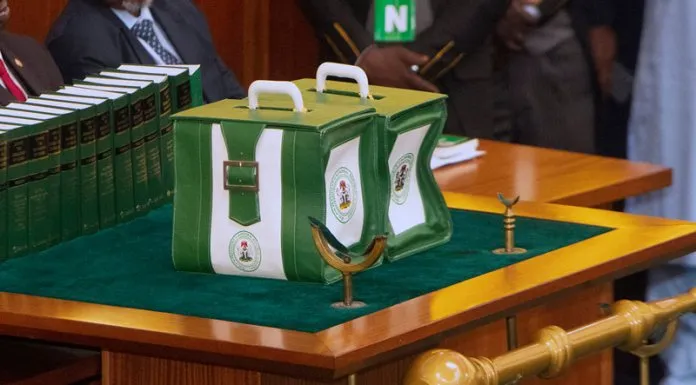
Abuja — Nigeria’s National Assembly has approved a ₦68.3 trillion budget for 2026, the largest in the country’s history, following a late upward revision by President .
The appropriation, initially presented at ₦58.47 trillion, was increased by ₦9.3 trillion through a presidential request endorsed by lawmakers without detailed scrutiny — a move that has drawn criticism over transparency and legislative oversight.
Security Funding Drops Amid Rising Violence
Despite escalating insecurity, the allocation for defence and security was reduced to ₦5.41 trillion, down from ₦6.57 trillion in 2025.
This comes as more than 1,000 Nigerians were reportedly killed within the first weeks of 2026, highlighting a widening gap between security spending and outcomes.
Debt Burden Overshadows Spending
The budget carries a ₦23.85 trillion deficit, with ₦15.52 trillion earmarked for debt servicing — a figure that exceeds combined allocations to key sectors such as health and education.
A Growing Spending Paradox
Over the past 15 years, Nigeria has spent an estimated ₦32.88 trillion on defence, yet insecurity has intensified across multiple regions, from insurgency in the northeast to banditry and communal violence elsewhere.
Analysts say the trend points to structural inefficiencies, weak accountability, and governance gaps, rather than funding shortages alone.
Focus Turns to Implementation
With the budget now passed, attention shifts to execution. Observers say the central question is whether the record spending will translate into improved security, economic stability, and tangible benefits for citizens — or deepen existing fiscal and institutional challenges.