
Abuja, Nigeria
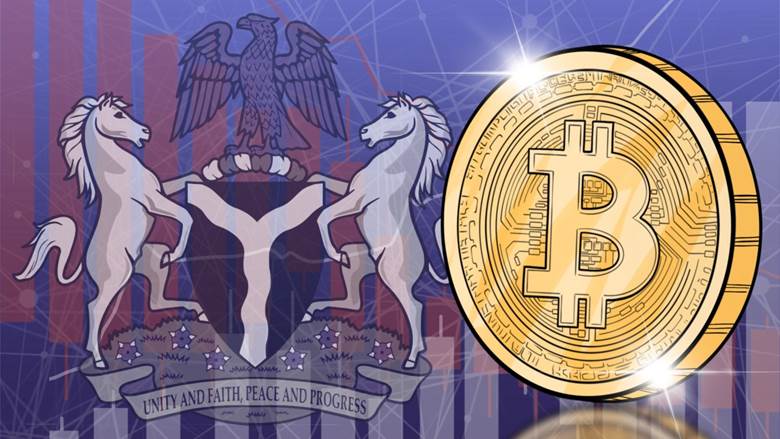
The Nigerian Senate has begun work on a new law that will regulate cryptocurrency and other digital asset businesses in the country.
On Wednesday, June 10, 2026, senators passed the proposed Digital Assets Bill for second reading, moving it to the next stage of the lawmaking process.
If eventually approved, the law will create clear rules for how cryptocurrency platforms, digital asset companies, blockchain businesses, and other online financial services can operate in Nigeria.
Why the Senate Wants New Rules
Many Nigerians now use cryptocurrencies such as Bitcoin and other digital assets to save money, invest, receive payments, and send money across borders.
Because of the growing use of these digital platforms, lawmakers say there is a need for government regulations to protect users and ensure that operators follow the law.
Nigeria is currently one of the biggest cryptocurrency markets in the world, with millions of young people using digital assets for different financial activities.
Change From Ban to Regulation
The proposed law shows how Nigeria’s approach to cryptocurrency has changed over the years.
In 2021, the Central Bank of Nigeria (CBN) directed banks and other financial institutions to stop supporting cryptocurrency transactions. At the time, authorities raised concerns about fraud, money laundering, terrorism financing, and the risks associated with digital currencies.
Despite the restrictions, many Nigerians continued using cryptocurrencies through peer-to-peer trading platforms and other channels.
Rather than trying to stop crypto activities completely, regulators are now focusing on creating rules to monitor and regulate the sector.
Protecting Nigerians From Scams
One major goal of the bill is to protect Nigerians from fraud and fake investment schemes.
Over the years, many people have lost money to unregulated online investment platforms claiming to be cryptocurrency businesses.
The proposed law would place more responsibilities on crypto exchanges and digital asset operators while giving regulators stronger powers to monitor their activities.
Lawmakers believe this could help reduce scams and increase public confidence in the industry.
Potential Benefits for the Economy
Supporters of the bill say the digital asset industry could create more jobs and attract foreign investment to Nigeria.
The global blockchain and digital finance sector has already generated employment opportunities in software development, cybersecurity, financial technology, and other technology-related fields.
Industry experts believe that clear regulations could encourage innovation and help position Nigeria as one of Africa’s leading digital finance hubs.
What Happens Next?
The bill has not yet become law.
It must still pass through further legislative stages in the National Assembly before it can be approved and sent to President Bola Ahmed Tinubu for assent.
If signed into law, it will become Nigeria’s first comprehensive legal framework for regulating cryptocurrency and digital asset operations.