
Tehran / Strait of Hormuz
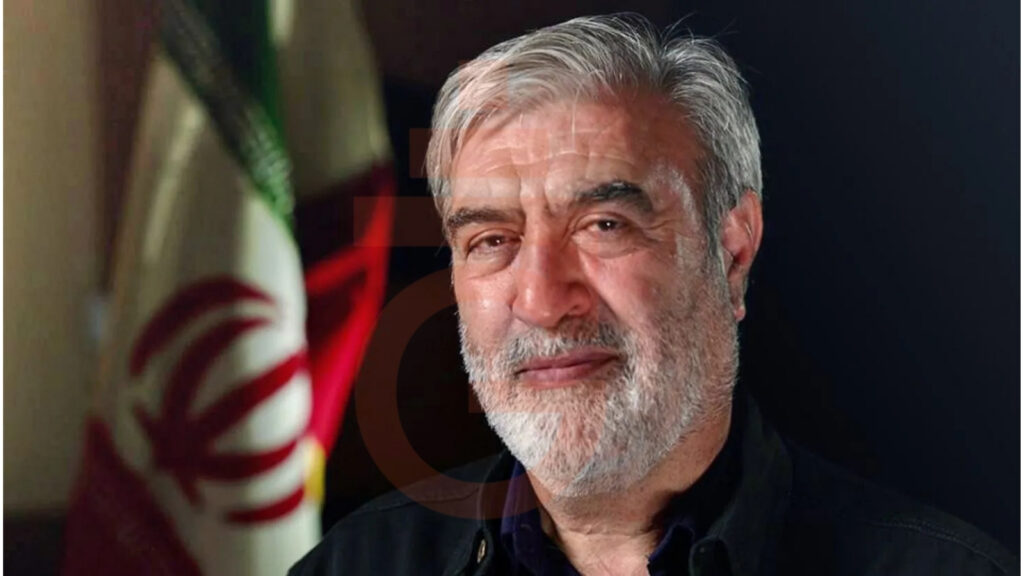
Iran has declared it will never give up control of the Strait of Hormuz, a key global oil route, as tensions with the United States continue to rise despite a fragile ceasefire. Speaking to the BBC in Tehran, senior Iranian lawmaker Ebrahim Azizi said the country sees control of the waterway as a fundamental right, even as the US confirmed it had seized an Iranian-flagged cargo ship in the Gulf.
Iran is moving to tighten its grip on one of the world’s most important shipping routes, the Strait of Hormuz, through which about 20% of global oil and gas passes.
Ebrahim Azizi, a former commander of Iran’s Islamic Revolutionary Guard Corps (IRGC) and now head of parliament’s National Security Committee, told the BBC that Tehran would not back down.
“It’s our inalienable right. Iran will decide the right of passage,” he said, adding that a new bill is being introduced in parliament to formalise control over the strait under national law.
The proposed legislation, he explained, would cover environmental protection, maritime safety and national security, and would be enforced by Iran’s armed forces.
Iran increasingly views the strait as a strategic tool following weeks of conflict with the US and Israel. According to Tehran, control of the waterway is not just for current negotiations but a long-term leverage point.
Mohammad Eslami said restoring deterrence after the war is a priority, with the strait playing a central role in that strategy.
However, this position has drawn strong criticism from neighbouring countries. Anwar Gargash described Iran’s actions as “hostile piracy” and warned it could set a dangerous global precedent.
Azizi rejected the criticism, instead accusing the United States of being “the biggest pirate in the world,” referencing American military presence across the Middle East.
The situation escalated further after US President Donald Trump announced that American forces had intercepted an Iranian-flagged cargo ship, the Touska, in the Gulf of Oman.
Trump said the vessel ignored warnings to stop and was disabled by US naval forces before being seized. He added that the ship was already under US sanctions.
Iran strongly condemned the action, calling it a violation of the ceasefire and an “act of armed piracy.” A spokesperson for Iran’s military headquarters said Tehran would retaliate.
The US has maintained a naval blockade of Iranian ports, aimed at limiting Iran’s oil exports and economic influence. Trump said the blockade would remain until a broader agreement is reached.
The Strait of Hormuz remains largely closed, with maritime traffic at a standstill. During a brief reopening, only a handful of vessels passed through before tensions forced ships to retreat again.
Iran’s Revolutionary Guards warned that any unauthorised vessel attempting to pass could be treated as cooperating with the enemy and targeted.
Shipping incidents have already been reported:
- A tanker was fired at with warning shots
- A cargo vessel was damaged by a projectile
- Two Indian-flagged ships were involved in a shooting incident
Global energy markets have reacted sharply. Oil prices surged as the flow of shipments dropped significantly, raising concerns about wider economic effects, including fuel and food costs.
Efforts to resolve the crisis are ongoing, with talks mediated by Pakistan expected to resume in Islamabad.
US Vice-President JD Vance is expected to lead the American delegation again, alongside senior advisers.
However, Iran has not confirmed participation, with state media suggesting talks may not proceed while the US blockade remains in place.
Iran’s parliamentary speaker Mohammad Bagher Ghalibaf said there has been some progress but stressed that a final agreement is still far off.
“We are still far from the final discussion,” he said.
There are also signs of internal disagreement within Iran’s leadership.
Foreign Minister Abbas Araghchi faced criticism after suggesting the strait was “completely open,” a statement later clarified to mean access was limited and controlled by the IRGC.
Azizi dismissed reports of division, insisting national security decisions are unified.
At the same time, Iran continues to enforce a near-total internet blackout, with officials saying restrictions will only be lifted when security conditions improve.
The current crisis began on February 28 with US and Israeli strikes on Iran, triggering a wider regional conflict involving multiple countries.
A temporary ceasefire is in place but due to expire soon, raising fears of renewed fighting.
The Strait of Hormuz has long been a geopolitical flashpoint due to its strategic importance in global energy supply, linking the Persian Gulf to international markets.
With both sides holding firm—Washington maintaining its blockade and Tehran insisting on control of the strait—the standoff shows no immediate sign of resolution. As diplomatic efforts continue, the fate of the Strait of Hormuz remains central to both regional stability and the global economy.