
Abuja, Nigeria
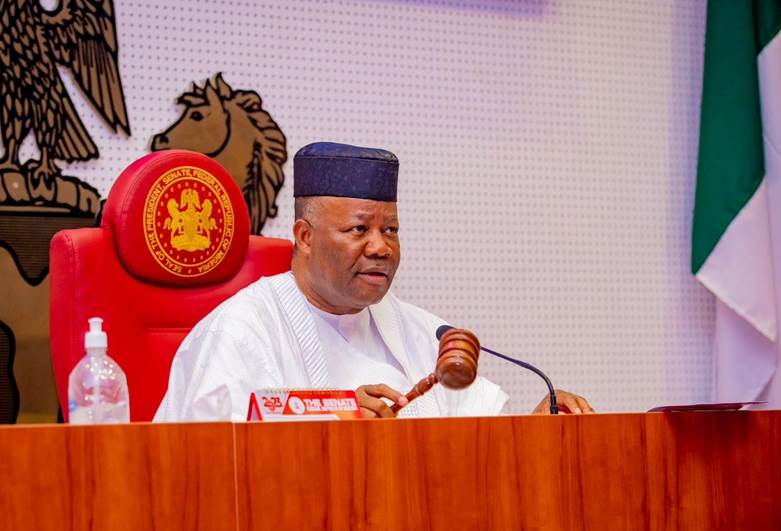
The Nigerian Senate is considering a proposal that could change how long presidents and state governors stay in office.
Under the new proposal, presidents and governors would serve only one term of six years instead of the current arrangement where they can serve two terms of four years each, making a maximum of eight years in office.
The idea was revealed by Senate Leader, Opeyemi Bamidele, who said he plans to push for the bill after the 2027 general elections.
If approved, the new system would start after the 2027 elections, meaning leaders elected under the new arrangement would serve a single six-year term without the opportunity to seek re-election.
Why Senate Wants The Change
According to Bamidele, many elected leaders begin thinking about their second-term campaigns shortly after assuming office.
Instead of focusing fully on governance, attention is often shifted to politics, building alliances, and preparing for the next election.
He believes a single six-year term would allow presidents and governors to concentrate on delivering projects, improving the economy, and solving citizens’ problems without worrying about winning another election.
In simple terms, supporters of the proposal say leaders should spend their time governing, not campaigning.
What Happens Under The Current System?
Nigeria’s Constitution currently allows presidents and governors to serve two terms of four years each.
A president or governor who wins re-election can therefore remain in office for up to eight years.
The proposed bill seeks to replace this with one non-renewable six-year term.
Not A New Idea
This is not the first time such a proposal has surfaced.
Over the years, politicians, constitutional experts, and governance reform advocates have suggested different versions of a single-term system.
A similar debate gained national attention during the administration of former President Goodluck Jonathan, but the proposal did not become law.
Nigerians Are Divided
Supporters believe the change could reduce political distractions, lower election-related tensions, and encourage leaders to focus on development.
However, critics argue that the current system gives voters a chance to judge a leader’s first four years before deciding whether they deserve another term.
They also worry that a leader who knows they cannot be re-elected may feel less accountable to the people.
Others believe six years may be too long for citizens to wait before replacing an underperforming government.
What Must Happen Before It Becomes Law?
The proposal has not yet been formally presented as a bill before the National Assembly.
Even when it is introduced, changing presidential and governorship tenure requires an amendment to the Nigerian Constitution.
For the proposal to become law, it must:
- Be approved by at least two-thirds of the Senate.
- Be approved by at least two-thirds of the House of Representatives.
- Receive support from at least 24 of Nigeria’s 36 State Houses of Assembly.
- Be signed into law after completing the constitutional amendment process.
What Happens Next?
For now, the proposal remains at the discussion stage.
Lawmakers, political parties, civil society groups, constitutional experts, and ordinary Nigerians are expected to debate the issue once the bill is formally introduced.
If eventually approved, the reform would bring a major change to Nigeria’s political system by ending second-term campaigns for presidents and governors and replacing them with a single six-year tenure beginning after the 2027 general elections.