
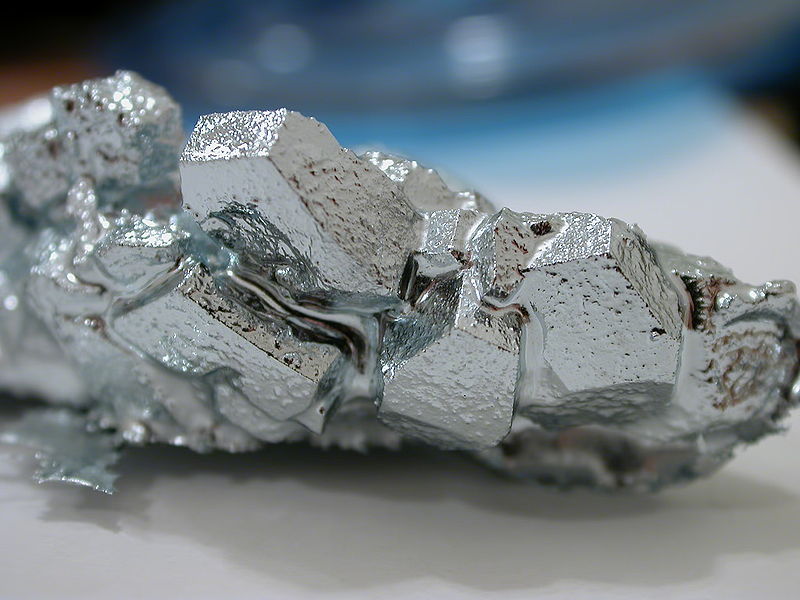
Global — Gallium, a little-known industrial metal essential to advanced electronics and defence systems, is rapidly emerging as a critical point of geopolitical tension, as supply constraints and export controls reshape global technology competition.
The metal, used in semiconductors powering 5G networks, radar systems, and satellite communications, is overwhelmingly dominated by China, which accounts for about 99 percent of global primary production. The United States, by contrast, ended domestic gallium production decades ago, leaving Western supply chains highly exposed.
Beijing’s export restrictions, first introduced in 2023 and expanded into a full ban on shipments to the United States in 2024, have transformed gallium into a strategic lever in the broader contest over critical minerals and advanced manufacturing.
Unlike most commodities, gallium is not mined directly. It is produced as a byproduct of aluminium and zinc processing, meaning supply is determined by the economics of those industries rather than demand for gallium itself. This structural limitation makes rapid production expansion difficult, even as global demand rises.
Gallium’s importance lies in its role in compound semiconductors such as gallium arsenide and gallium nitride, which are essential for high-frequency electronics, power systems, and defence technologies. These materials underpin a wide range of applications, from smartphones and telecommunications infrastructure to missile guidance systems and electronic warfare platforms.
The market for gallium-based technologies is expanding quickly. The gallium nitride semiconductor sector alone is projected to grow significantly over the coming years, driven by increasing demand for high-performance electronics and military applications.
Analysts say the concentration of supply and tightening export controls could disrupt global semiconductor production, accelerate efforts to develop alternative sources, and intensify competition among major economies.
As countries move to secure access to critical minerals, gallium is increasingly viewed not just as an industrial input, but as a strategic asset at the intersection of technology, security, and geopolitical power.