
Lagos, Nigeria
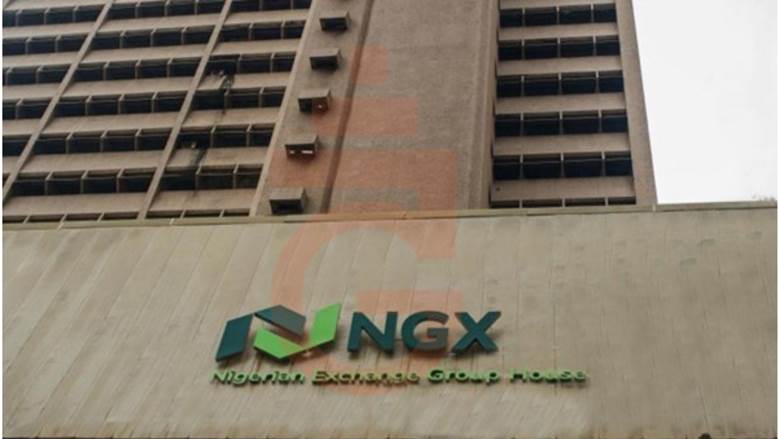
Foreign investment activity on the Nigerian Exchange Limited (NGX) recorded a strong but mixed performance in the first quarter of 2026, as foreign inflows rose sharply while outflows also increased.
Data from the NGX shows that foreign inflows jumped by 78 per cent to N393.68 billion in Q1 2026, compared to N221.62 billion in the same period of 2025. The rise reflects renewed foreign investor interest in Nigerian equities.
However, this renewed interest came alongside higher capital exits. Foreign outflows also increased by 31.2 per cent year-to-date, rising to N420.37 billion from N320.37 billion in 2025. This shows that while more foreign funds entered the market, a significant portion was also withdrawn, pointing to cautious investor behaviour.
On a monthly basis, total transactions on the NGX rose by 13.10 per cent to N1.744 trillion in March 2026, up from N1.542 trillion recorded in February.
Foreign transactions saw a sharp rebound during the month, increasing by 107.74 per cent to N288.82 billion in March from N139.03 billion in February.
The report from NGX Regulation Limited attributed this surge mainly to increased foreign inflows, which climbed from N72.32 billion in February to N181.77 billion in March.
It noted that international investors appear to be responding positively to improved market conditions, saying the rise “suggests that international investors are increasingly finding value in Nigerian equities following recent market re-ratings and improved foreign exchange liquidity.”
Despite the rebound in foreign activity, domestic investors continued to control most of the market.
In March 2026, domestic investors accounted for about 83.44 per cent of total transactions, far ahead of foreign participation. Total domestic transactions stood at N1.4556 trillion for the month.
Within the domestic space, institutional investors remained stronger than retail investors. Institutional transactions rose by 6.95 per cent to N914.23 billion, while retail transactions dropped slightly by 1.30 per cent to N541.37 billion.
Institutional investors also outperformed retail investors by 26 per cent in March, highlighting the influence of pension funds and asset managers in driving market activity.
The report explained that “the domestic market remains the bedrock of the exchange,” noting that local institutional investors continue to maintain strong positions in quality Nigerian stocks.
Year-to-date figures show that total market transactions for Q1 2026 rose to N4.148 trillion, representing an 85.87 per cent increase compared to N2.232 trillion recorded in Q1 2025.
This growth reflects a broader rally in the Nigerian capital market, which has also seen strong performance in market indices over the past year.
Historically, domestic transactions have continued to grow over time, while foreign participation has remained more volatile. Over a 19-year period, domestic transactions have increased by 160.83 per cent, according to the report.
As the second quarter of 2026 begins, market analysts expect domestic institutional investors to maintain their leading role in driving activity on the exchange.
Foreign participation, however, is expected to remain sensitive to broader economic factors such as inflation trends, foreign exchange stability, and decisions by the Central Bank of Nigeria on interest rates.