
Federal Workers To Get Support For Rent, House Renovation And Home Ownership
ABUJA, NIGERIA
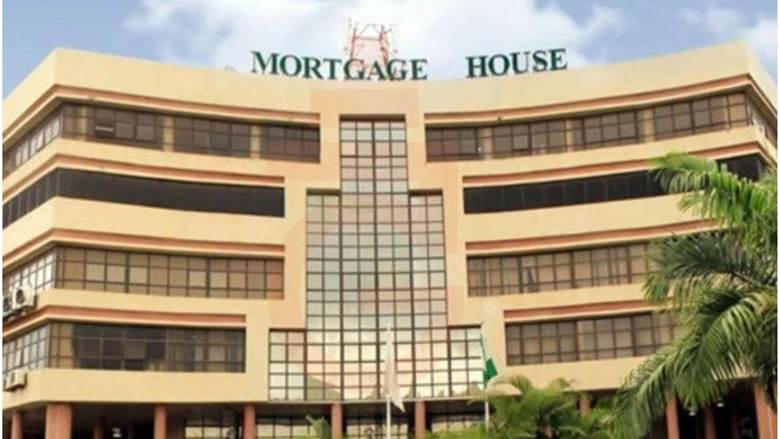
The Federal Government and the Federal Mortgage Bank of Nigeria (FMBN) have signed a N10 billion agreement to help federal civil servants get better access to affordable housing across the country.
The new housing package is expected to support workers with house rent loans, mortgage plans, home renovation loans and gradual house-building opportunities.
Government officials say the programme is part of efforts to reduce the pressure many Nigerian workers are facing due to high rent, rising cost of living and economic hardship.
The scheme is expected to benefit thousands of federal workers in cities like Abuja, Lagos, Port Harcourt, Kano and other places where rent has increased sharply in recent years.
Speaking during the signing meeting, the Managing Director and Chief Executive Officer of FMBN, Shehu Osidi, said the partnership was created to make housing easier and more affordable for Nigerian workers.
Osidi revealed that before the new N10 billion expansion, the bank had already released more than N2.6 billion in Home Renovation Loans to about 3,051 federal civil servants.
According to him, the housing support programme had already started in phases before the latest approval by the Federal Government.
“This partnership will help more workers get decent accommodation and financial support for housing,” Osidi said.
Rent And Housing Costs Rising Across Nigeria
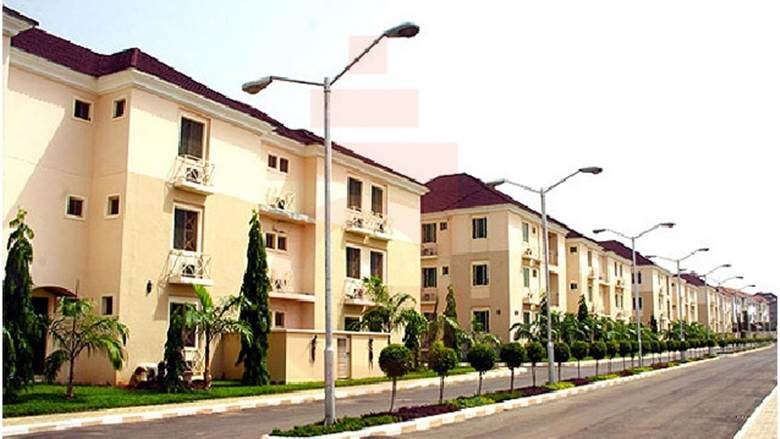
Housing has become one of the biggest problems facing many Nigerians, especially after the removal of fuel subsidy and the continuous fall of the naira, which pushed up building costs, rent and mortgage payments.
Today, many workers spend a large part of their salaries on rent, leaving little money for feeding, transport, school fees and healthcare.
In Abuja especially, house rent has gone very high, with some landlords demanding one or two years’ rent upfront. This situation has placed heavy pressure on civil servants and young workers.
Experts say Nigeria is still facing a massive housing shortage running into millions of homes, with low-income earners suffering the most.
Although different governments have introduced housing programmes over the years, many Nigerians still complain about difficult loan conditions, high interest rates and limited access to affordable mortgages.
What FMBN Does
The Federal Mortgage Bank of Nigeria was created to help Nigerians, especially workers, get access to long-term housing loans and own homes through the National Housing Fund (NHF).
Under the NHF programme, workers contribute money monthly and can later apply for housing loans at lower interest rates compared to commercial banks.
In recent years, FMBN has expanded programmes for home renovation, rent support and cooperative housing financing to help workers better cope with housing challenges.
One major problem in Nigeria’s housing sector is that many workers cannot raise large amounts of money at once for rent or to build houses.
Because of this, government officials are now paying more attention to flexible repayment plans and incremental housing, where people can build houses gradually based on the money available to them.
Workers Still Facing Economic Hardship
The latest housing support programme comes at a time when labour unions and workers’ groups continue to complain about the rising cost of living in Nigeria.
Even with the new minimum wage approved by the Federal Government, many workers say inflation has reduced their purchasing power.
Food prices, transport fares and house rent remain among the biggest financial problems affecting Nigerian families.
Analysts say if properly managed and transparently implemented, the housing programme could help reduce some of the economic pressure on workers.
Experts also believe the programme may boost activities in Nigeria’s construction and real estate sectors, creating jobs and encouraging local production of building materials.
Nigerians Want Fair Access
While many workers have welcomed the initiative, experts say the real success of the programme will depend on how fairly and quickly it is implemented.
Past housing programmes in Nigeria have faced complaints over slow processing, bureaucracy, poor awareness and claims that only a few people benefited.
Stakeholders are now calling on the government to ensure transparent selection of beneficiaries, easier application processes and proper monitoring of the loans.
Housing advocates have also urged authorities to make sure junior and middle-level workers benefit from the programme — not only top government officials.
For many federal workers struggling with Nigeria’s current economic realities, the success of the housing scheme will depend on how fast and fairly the promised support becomes available.
So far, the Federal Government has not announced when the programme will fully begin nationwide, but officials say implementation will continue in partnership with FMBN and workers’ institutions.