
ABUJA, NIGERIA
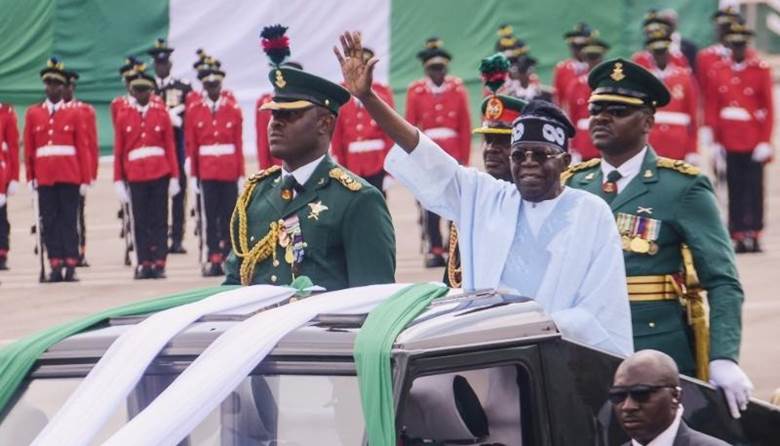
As Nigeria prepares to celebrate Democracy Day on Friday, June 12, 2026, the Federal Government has defended the economic policies introduced by President Bola Ahmed Tinubu, saying the reforms are beginning to improve the country’s economy despite the hardship many Nigerians are still facing.
The Secretary to the Government of the Federation (SGF), Senator George Akume, made this known during a press briefing in Abuja ahead of the Democracy Day celebration.
According to Akume, the economic reforms under President Tinubu’s Renewed Hope Agenda are gradually producing positive results. He said there are signs of improvement in areas such as foreign exchange stability, government revenue, infrastructure development and investor confidence.
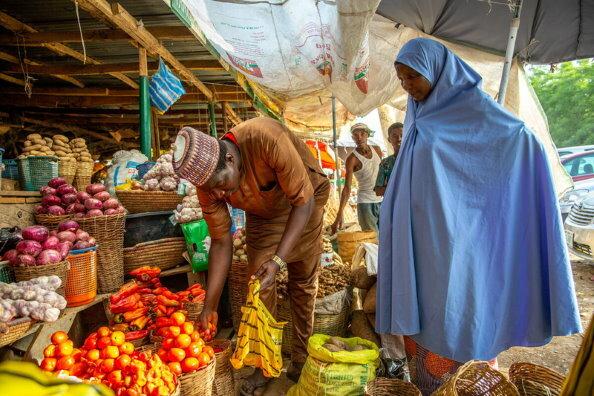
His comments come at a time when many Nigerians are struggling with high food prices, expensive transportation, rising inflation and reduced purchasing power.
Fuel Subsidy Removal And Forex Reforms
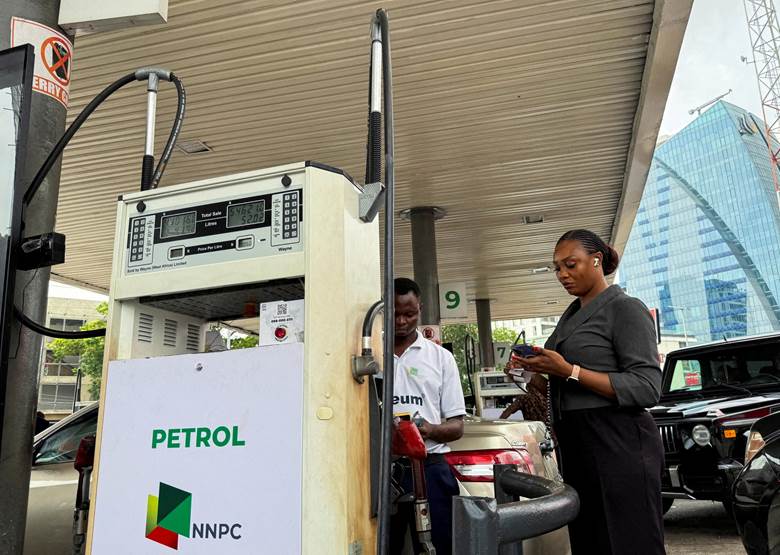
One of the biggest decisions taken by the Tinubu administration was the removal of petrol subsidy shortly after the President assumed office in May 2023.
The move led to a sharp increase in fuel prices across the country, which also pushed up transport fares and the cost of goods and services.
The government also introduced reforms in the foreign exchange market by merging different exchange-rate systems into one. According to officials, the aim was to make the market more transparent and attract foreign investors into the country.
Government officials admit that these policies created difficulties for many Nigerians but insist they were necessary to fix long-standing problems in the economy.
Government Points To Positive Indicators
The Federal Government says there are already signs that the reforms are working.
According to officials, Nigeria has recorded improvements in oil production, foreign reserves, government earnings and investor interest.
The government also noted that some international financial institutions have acknowledged progress in certain economic indicators, although concerns remain over inflation and unemployment.
Officials say ongoing infrastructure projects, social investment programmes and industrial development initiatives will bring more benefits to Nigerians in the coming years.
Why June 12 Is Important
Democracy Day is celebrated every year on June 12 to honour the historic 1993 presidential election, widely regarded as the freest and fairest election in Nigeria’s history.
The election was won by the late Chief Moshood Kashimawo Olawale (MKO) Abiola but was later annulled by the military government, leading to years of political struggle before Nigeria eventually returned to democratic rule in 1999.
In 2018, the Federal Government officially changed Democracy Day from May 29 to June 12 to recognise the sacrifices made by Nigerians during the country’s fight for democracy.
Nigerians Continue To Debate Impact Of Reforms
As the country marks another Democracy Day celebration on Friday, June 12, 2026, discussions continue over whether the government’s economic reforms are improving the lives of ordinary citizens or placing too much burden on them.
However, the Federal Government maintains that the difficult decisions being taken today are aimed at building a stronger and more stable economy for the future.
Democracy Day celebrations will hold nationwide on Friday, June 12, 2026.