
Abuja, Nigeria
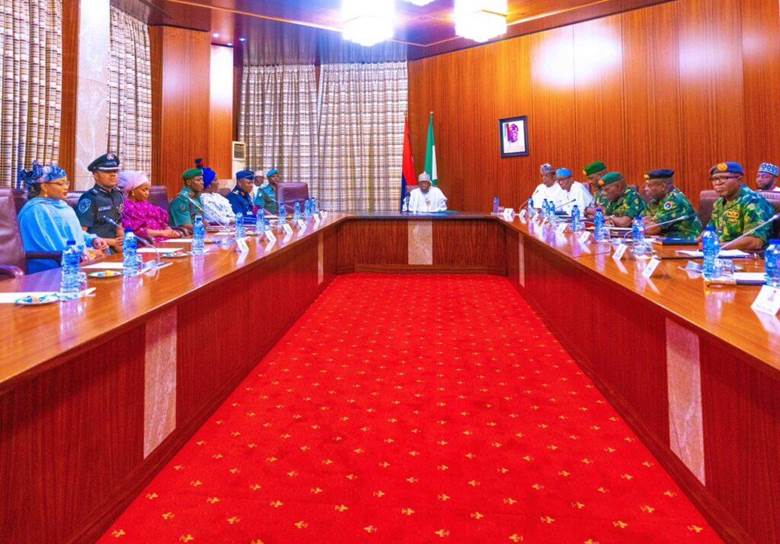
Nigeria is getting closer to introducing state police, as the Presidency says work on the legal and constitutional framework needed to make it happen is almost complete.
The development is a major step in a discussion that has lasted for more than 20 years, with many Nigerians arguing that states should have their own police forces to help tackle growing insecurity across the country.
The Chief of Staff to the President, Femi Gbajabiamila, disclosed this after a high-level meeting on state police held at the Presidential Villa in Abuja on Thursday.
The meeting was attended by top government and security officials, including Deputy Senate President Jibrin Barau, Deputy Speaker Benjamin Kalu, and Inspector-General of Police Olatunji Disu.
FG Says Progress Has Been Made
According to Gbajabiamila, discussions on state police began several months ago following instructions from President Bola Ahmed Tinubu.
He said consultations involving the Presidency, the National Assembly, the police, legal experts and other stakeholders have made significant progress.
The main focus now is to amend the Constitution, because Nigeria’s current Constitution only allows the Federal Government to control the police.
Once the constitutional changes are approved, lawmakers will work on laws that will explain how state police will operate, how they will be funded, who will supervise them, and how they will be regulated.
Why Nigerians Have Been Calling for State Police
Since Nigeria returned to democracy in 1999, many governors, traditional rulers, security experts and community leaders have argued that the current policing system is no longer enough for a country with over 200 million people.
At the moment, the Nigeria Police Force is controlled from the centre by the Federal Government. Although governors are often called the Chief Security Officers of their states, they do not have direct control over police operations.
Supporters of state police believe local police officers would understand their communities better, know the terrain, speak local languages and respond faster to security threats.
Many also argue that state police could help improve intelligence gathering and reduce the pressure on the federal police system.
Rising Insecurity Fuelling Demand
The push for state police has become stronger because of the security challenges facing many parts of Nigeria.
The country continues to battle terrorism, bandit attacks, kidnapping, communal clashes, farmer-herder conflicts, oil theft, cult violence and other crimes.
Supporters believe that giving states greater policing powers could help authorities respond more quickly to local security problems.
President Tinubu has repeatedly expressed support for state police, saying Nigeria needs new solutions to deal with its changing security challenges.
States Already Have Local Security Outfits
Although state police do not currently exist under the Constitution, many states have created local security organisations to support law enforcement agencies.
Examples include the Amotekun Corps in the South-West and Ebube Agu in parts of the South-East.
These groups assist security agencies but do not have the full powers of a police force.
Supporters of state police say a proper legal framework would make local security operations more organised, accountable and effective.
Concerns Over Possible Abuse
Despite growing support, some Nigerians remain worried about the proposal.
Critics fear that some governors could use state police against political opponents or critics.
Others question whether every state can afford to recruit, train, equip and maintain its own police force.
There are also concerns about ensuring professionalism, preventing political interference and maintaining national standards.
To address these issues, lawmakers are expected to include strong checks and balances in the proposed laws.
Recent Attacks Renew Calls for Change
Public support for security reforms increased after several recent kidnapping and violent crime incidents across the country.
One notable case occurred on May 15, when gunmen attacked three schools in Oriire Local Government Area of Oyo State and reportedly abducted dozens of pupils and teachers.
The incident triggered public anger and renewed calls for stronger and faster security responses.
What Happens Next?
The next stage is for the proposed constitutional amendments to be presented to the National Assembly.
If lawmakers approve the changes and enough state Houses of Assembly also give their support, Nigeria could establish state police for the first time in its democratic history.
For now, government officials say the discussion is no longer about whether state police should exist, but about creating a system that will improve security while preventing abuse of power.
If the process succeeds, it could become one of the biggest security reforms Nigeria has seen since the return to democratic rule in 1999, changing how policing is organised and delivered across the country for many years to come.