
Abuja
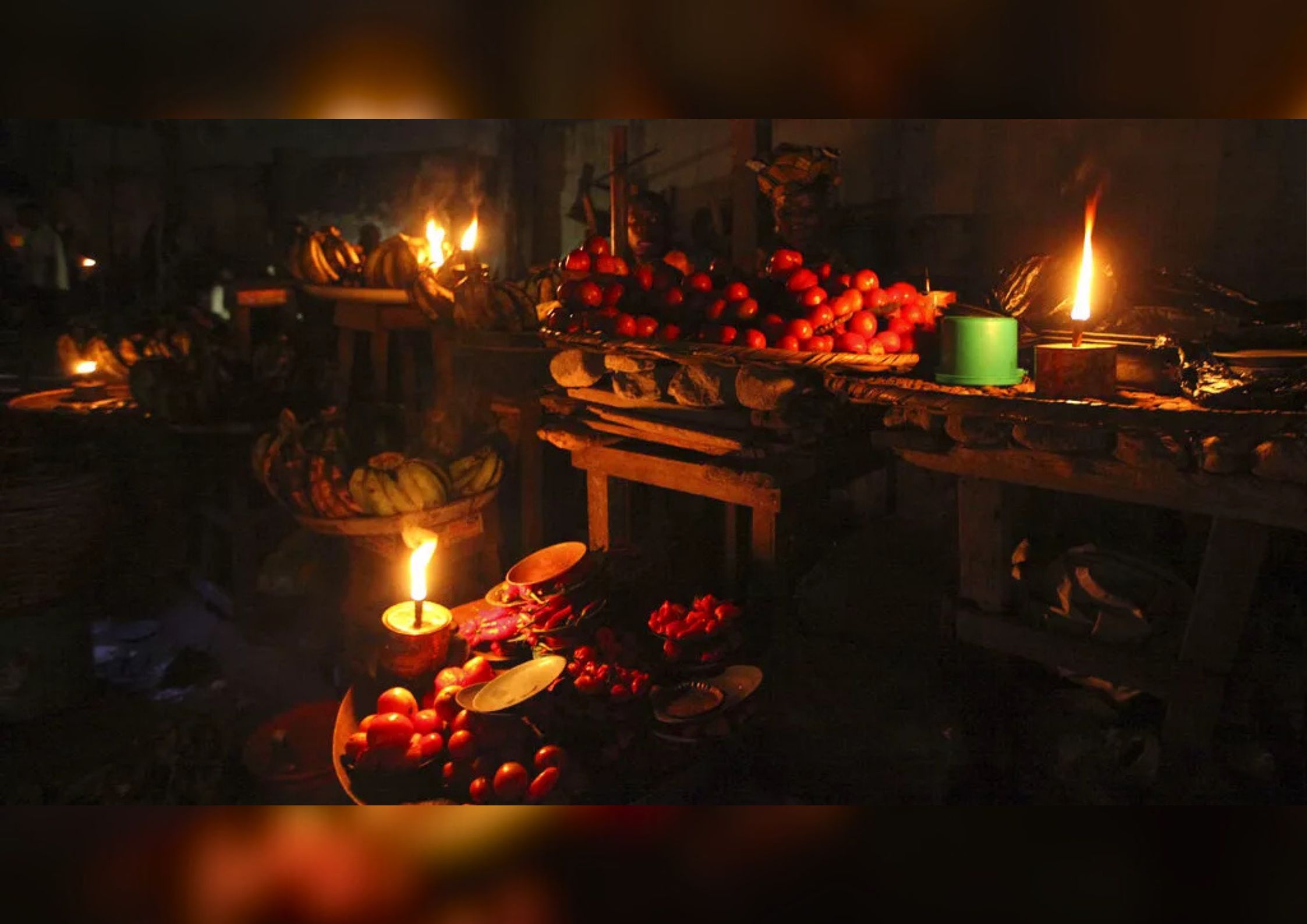
Nigerians have been advised to prepare for a temporary dip in electricity supply as scheduled maintenance on a major gas production facility is expected to reduce gas availability to several thermal power plants feeding the national grid.
The Nigerian National Petroleum Company Limited (NNPC Limited) confirmed on Thursday that its joint venture partner, Seplat Energy Plc, will carry out routine maintenance on key gas production facilities between February 12 and February 15, 2026.
According to NNPC, the four-day maintenance exercise is part of standard safety and asset integrity procedures aimed at ensuring the long-term reliability, efficiency, and safety of critical gas infrastructure that supports Nigeria’s electricity value chain.
Gas-fired power plants account for the bulk of Nigeria’s electricity generation, making gas supply disruptions a critical issue for the already fragile power sector. Any reduction in gas flow, even temporarily, often translates into lower generation capacity, grid instability and potential load shedding across parts of the country.
In a statement signed by NNPC’s Chief Corporate Communications Officer, Andy Odeh, the company said the maintenance would lead to a temporary reduction in gas supply into the pipeline network operated by NNPC Gas Infrastructure Company Limited (NGIC).
“As a result, some power generation companies reliant on this supply may experience reduced gas availability, which could modestly impact electricity generation levels within the timeframe,” the statement said.
NNPC stressed that the exercise is planned and time-bound, adding that full gas supply is expected to resume immediately after the maintenance window.
To limit the impact on electricity consumers, NNPC said it is working closely with Seplat Energy to ensure the maintenance is completed on schedule. In addition, its subsidiary, NNPC Gas Marketing Limited, has begun engaging alternative gas suppliers to help bridge anticipated supply gaps during the four days.
The national oil company said these measures are aimed at stabilising the gas network and minimising disruptions to power generation, even as maintenance work proceeds.
The Nigerian Independent System Operator (Nigerian Independent System Operator), which is responsible for managing the national grid, confirmed that it had received formal notification of the planned shutdown.
In a separate statement, NISO warned that gas constraints during the maintenance window could affect several major thermal power plants connected to the grid.
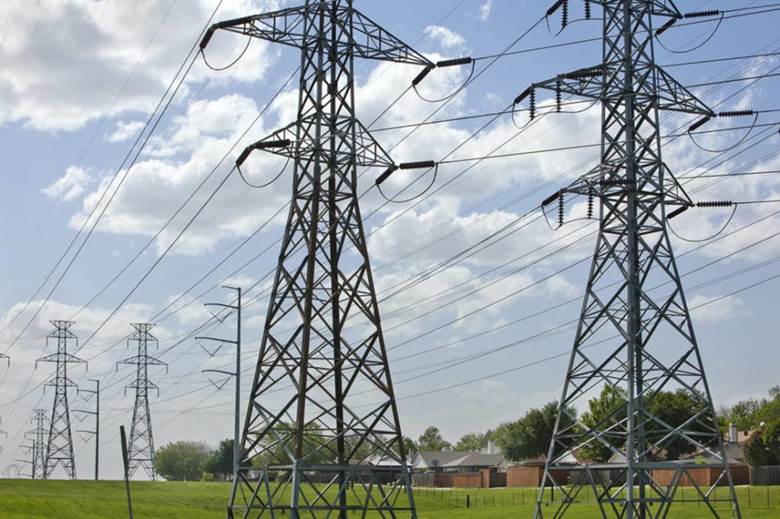
Plants likely to be directly impacted include Egbin, Azura, Sapele, and Transcorp power stations — all critical contributors to Nigeria’s electricity supply. NISO also noted that NDPHC Sapele, Olorunsogo, and Omotosho power plants could face indirect constraints due to wider gas balancing effects across the network.
The operator explained that reduced gas availability would inevitably lower overall thermal generation capacity, placing additional pressure on grid operations.
NISO said it has activated contingency planning to ensure grid stability throughout the maintenance period. According to the operator, real-time operational measures will be deployed to manage supply shortfalls and prevent system collapse.
“In line with its statutory mandate, NISO will deploy appropriate real-time operational measures to safeguard the integrity and security of the national grid throughout the maintenance window,” the statement said.
The operator added that if load shedding becomes unavoidable, it will be carried out in a structured and transparent manner, in close coordination with electricity distribution companies. Priority will be given to critical national infrastructure, essential services, and security installations.
Hospitals, water facilities, and other key public services are expected to receive special consideration during any supply rationing.
Electricity consumers have been advised to anticipate fluctuations in power supply, particularly in areas served by distribution companies heavily dependent on gas-fired generation. While NNPC and NISO have both downplayed the likelihood of prolonged outages, they acknowledged that short-term disruptions remain possible.
NISO said the National Control Centre will intensify monitoring of grid conditions and maintain constant communication with generation and distribution companies throughout the maintenance period.
Both NNPC and NISO said gas supply — and by extension improved power generation — is expected to be fully restored by February 16, 2026, once the maintenance work is concluded.
The development highlights the continued vulnerability of Nigeria’s power sector to gas supply disruptions, even as authorities push reforms aimed at improving reliability, infrastructure resilience and energy security.
For now, officials insist the planned maintenance is a necessary short-term inconvenience to prevent more serious infrastructure failures in the future, as Nigerians brace for a few days of reduced electricity supply.