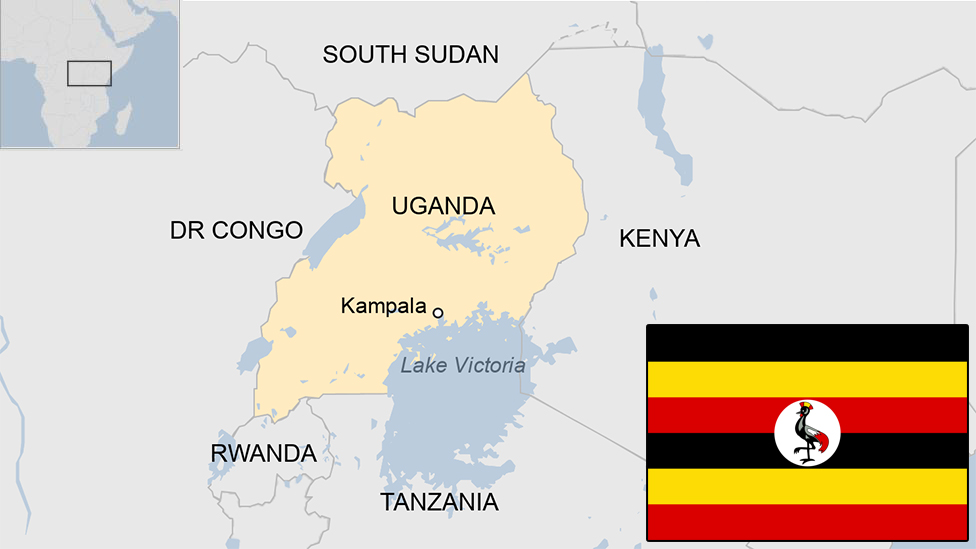
Kampala, Uganda — January 15, 2026
Ugandans went to the polls on Thursday in a tense presidential and parliamentary election marked by an unprecedented internet shutdown, logistical delays, and heavy security, as 81-year-old President Yoweri Museveni seeks a seventh term in office.
The vote comes after an election campaign marred by violence and the repeated disruption of opposition activities. Security forces have been accused of assaulting and detaining supporters of Museveni’s main challenger, pop star-turned-politician Bobi Wine, 43, also known as Robert Kyagulanyi. At least one person has been reported killed during campaign events, while hundreds of opposition supporters were arrested, according to human rights groups.
Voting in Kampala, the capital, was delayed at several polling stations due to failures of biometric verification machines and late arrival of election materials. Many voters expressed frustration after queuing for hours, while others, wary of unrest, travelled to rural areas to cast their ballots. Kaweesi Ismail, a voter in Kampala, said: “We were meant to start at seven, but up to now we haven’t started. The ballot papers are not even there.”
President Museveni, casting his vote in Rwakitura Village in western Uganda, also reported difficulties with the biometric machines but said the issue was being investigated. Election chief Simon Byabakama confirmed that officials are switching to the national voters’ register wherever machines fail, emphasizing that no citizen should be disenfranchised.
The internet blackout, imposed nationwide by the Uganda Communications Commission ahead of voting day, has drawn criticism from the United Nations, with its Human Rights Office describing it as “deeply worrying”. Authorities have justified the shutdown as necessary to prevent misinformation and incitement of violence, a claim rejected by Bobi Wine’s National Unity Platform (NUP), which launched an offline vote-monitoring app, Bitchat, to share polling data without internet access.
Museveni, who has ruled Uganda since 1986 and benefited from constitutional amendments removing age and term limits, predicted victory with 80% of the vote “if there’s no cheating”. Wine urged Ugandans to protest non-violently should the elections be rigged, maintaining his promise to tackle corruption and implement sweeping reforms. Analysts describe the contest as a test of Museveni’s political endurance amid a youthful population facing economic uncertainty, with more than 50% of Ugandans under the age of 18.
Polls are scheduled to close at 4:00 p.m. local time, with results expected within 48 hours. While security remains heightened in Kampala, there were no major incidents reported in the morning, though authorities and observers continue to monitor the situation closely.
The election is widely viewed as a critical indicator of Uganda’s political trajectory, including questions of succession, governance, and the country’s role as a strategic partner to Western nations in regional security and development.