
Washington / Tehran
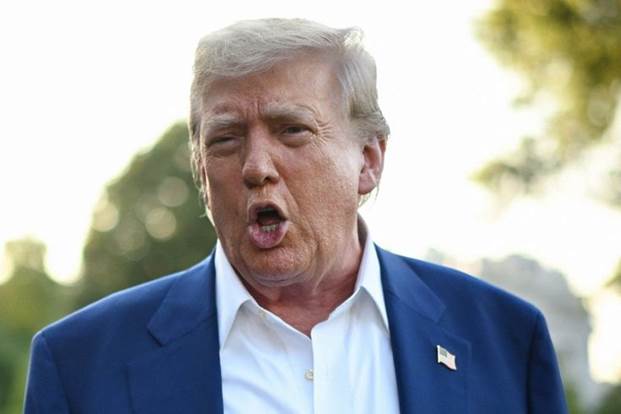
United States President Donald Trump has issued one of his strongest warnings yet to Iran, declaring that the Islamic Republic would face “total destruction” if it ever carried out an assassination attempt against him.
Speaking in an interview aired on NewsNation on Tuesday, Trump said he had already left standing instructions for a decisive U.S. response should any attack on his life occur, amid renewed reports of alleged threats from Iranian officials.
“If anything happens, they’re going to wipe them off the face of this earth,” Trump said. “They shouldn’t be doing it, but I’ve left a notification. If they do it, they get obliterated. There won’t be anything left.”
The comments mark a sharp escalation in rhetoric at a time of rising tensions between Washington and Tehran, as both sides exchange increasingly explicit warnings and threats.
Trump’s remarks came as Iranian military officials also issued warnings of their own. Earlier on Tuesday, Iranian General Abolfazl Shekarchi was quoted by state media as saying Tehran would respond forcefully to any attempt on the life of its leaders.
“Trump knows that if a hand of aggression is extended toward our leader, we will not only sever that hand,” Shekarchi said. “We will set their world on fire and leave them no safe haven in the region.”
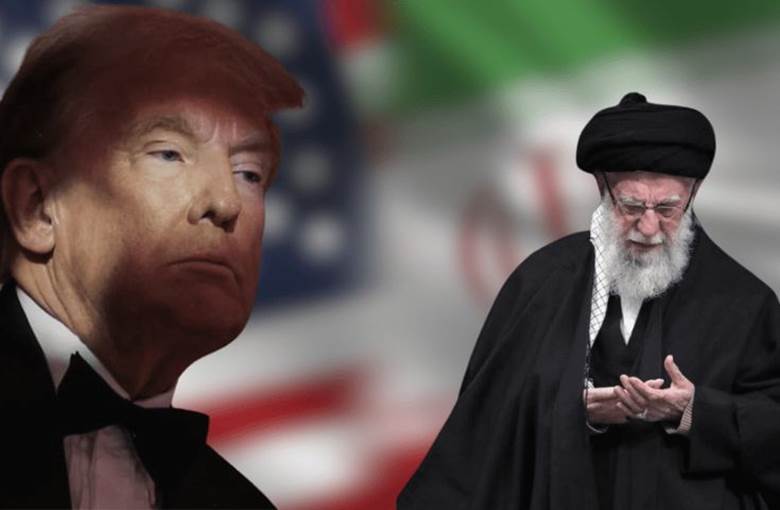
Iran’s Supreme Leader, Ayatollah Ali Khamenei, has also accused the United States of plotting against Iran and supporting unrest inside the country. In a message posted on the social media platform X at the weekend, Khamenei said Washington was seeking to “devour Iran,” adding that Tehran does not seek war but will not tolerate what he called internal or external “criminals.”
U.S. officials have previously confirmed that Trump was briefed during the 2024 presidential campaign on intelligence reports suggesting Iranian-linked threats against his life. At the time, then-Attorney General Merrick Garland said the intelligence assessments pointed to possible retaliation for the killing of Iranian General Qassem Soleimani, who was assassinated in a U.S. drone strike in Baghdad in 2020 during Trump’s first term.
Since returning to the White House, Trump has repeatedly said any attack on him would bring catastrophic consequences for Iran. He reiterated that position again in the interview, stressing that the warning was not personal but strategic.
“Not because of me,” he said, “but if they did that, they would be obliterated. That would be the end.”
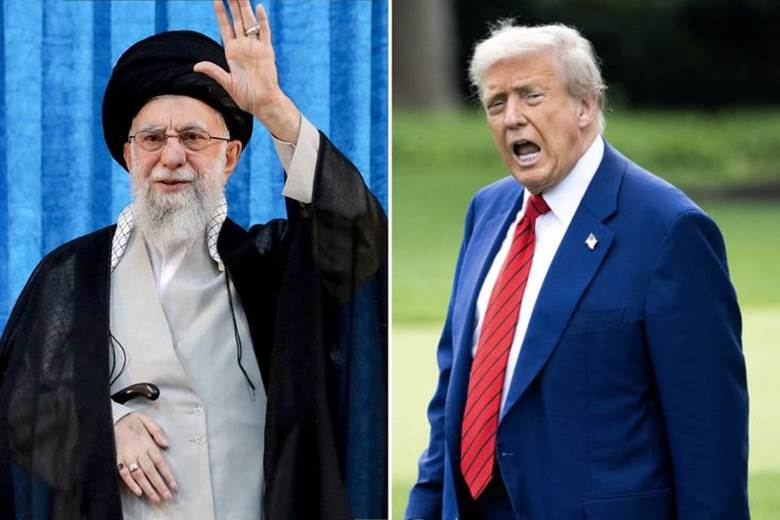
Trump also criticized former President Joe Biden for what he described as a weak response when the threats first became public, arguing that U.S. presidents should stand together on matters of national security regardless of political differences.
The renewed exchange of threats comes as Iran continues to grapple with its deepest domestic unrest in decades. Protests that began over economic hardship and currency collapse have since evolved into broader demonstrations calling for political reform and accountability.
Human rights organizations say assessing the true scale of casualties has been difficult due to communication restrictions imposed by Iranian authorities. The Human Rights Activists News Agency has reported more than 4,000 confirmed deaths, while the Norway-based Iran Human Rights group says available evidence suggests the number of protesters killed may be significantly higher, possibly exceeding media estimates of 20,000.
Iran’s currency fell to record lows late last year, intensifying public anger against the government of the 86-year-old Khamenei, who has resisted major democratic reforms since coming to power.
Members of Iran’s global diaspora have increasingly called on Western governments to take action. Nobel Peace Prize laureate Shirin Ebadi, who lives in exile, has urged the United States and its allies to pursue what she described as “highly targeted actions” against Iran’s supreme leader and senior commanders of the Islamic Revolutionary Guard Corps.
So far, Washington has stopped short of direct intervention. However, Trump has repeatedly stated that military options remain on the table, particularly if executions of protesters continue or if U.S. interests are threatened.
Despite the intensifying rhetoric, both Washington and Tehran have avoided direct military confrontation. Trump acknowledged that Iran has not carried out any assassination attempt, but warned again that doing so would trigger an overwhelming response.
As tensions remain high, analysts say the latest exchange underscores the fragile and volatile nature of U.S.–Iran relations, with sharp words on both sides raising the stakes at a time of deep regional instability.
For now, diplomatic channels remain open, but the tone of recent statements highlights how quickly the standoff could escalate into a broader crisis if either side miscalculates.