
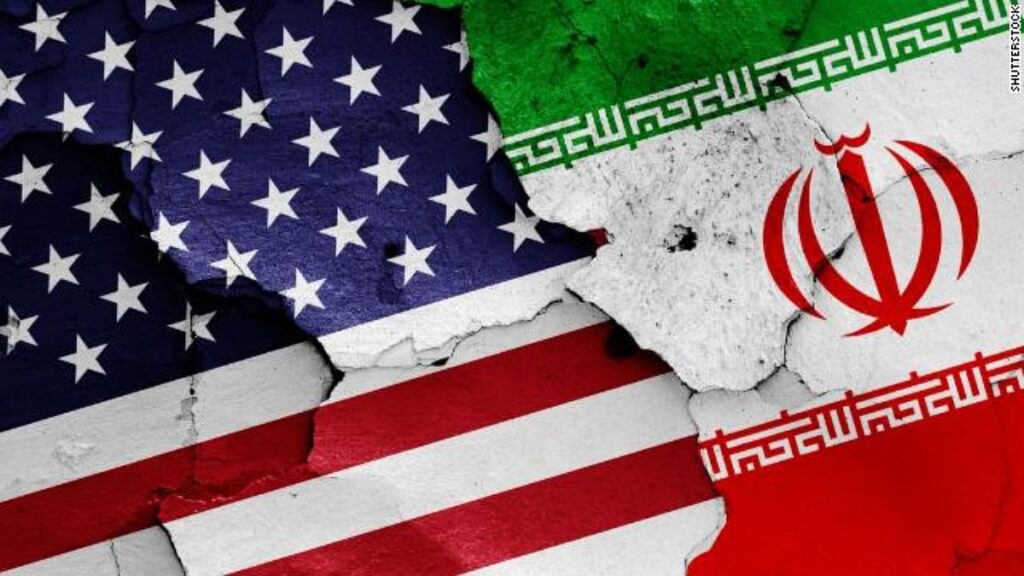
Washington/Tehran — The conflict between the United States and Iran appears to be shifting into a quiet and uncertain diplomatic phase, following reports of a secret peace effort that neither side is willing to publicly confirm.
At the centre of the speculation is an alleged 15-point peace plan linked to U.S. President Donald Trump, reportedly transmitted through backchannel intermediaries, including Pakistan. While the details remain unclear, the proposal is believed to outline terms for de-escalation after weeks of heightened military tension.
Iranian officials have publicly denied that any formal negotiations are underway. However, diplomatic insiders suggest there may be private engagement behind the scenes, a pattern consistent with previous U.S.–Iran contacts conducted through third-party mediators.
Fueling the uncertainty is talk of a “significant prize” embedded in the proposal — an undefined incentive that could be central to any potential agreement, though no side has clarified what this entails.
At the same time, the United States has observed a five-day pause in strikes, a move widely interpreted as an attempt to create space for negotiations. Yet without official acknowledgment from either government, it remains unclear whether the pause is tactical or part of a broader diplomatic framework.
Analysts say the situation reflects a familiar dynamic in high-stakes geopolitical conflicts — public posturing paired with quiet negotiation. For now, the war has not ended, but it is no longer being fought only on the battlefield.
What is emerging instead is a shadow phase of diplomacy, where signals are mixed, intentions are opaque, and even the existence of a deal remains in question.