
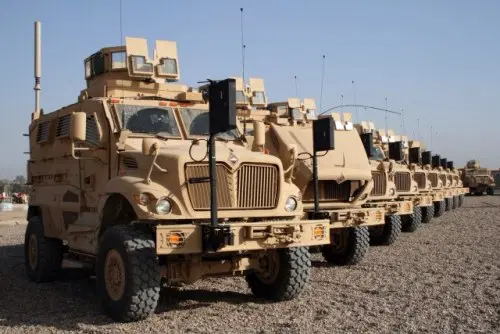
U.S. forces have delivered critical military supplies to Nigerian security partners in Abuja, a move aimed at supporting Nigeria’s ongoing efforts to confront worsening insecurity across the country.
The delivery comes at a time when millions of Nigerians continue to live under the shadow of violence linked to insurgency, banditry, and communal conflict, particularly in the North-East, North-West, and parts of the Middle Belt. For communities affected by these conflicts, security assistance is not an abstract diplomatic gesture but a matter of daily survival.
U.S. officials said the supplies are intended to strengthen Nigeria’s operational capacity and reaffirm a shared commitment to regional stability. Although details of the equipment were not publicly disclosed, the delivery forms part of a broader U.S.–Nigeria security partnership that includes training, intelligence cooperation, and logistical support.
Nigeria has long been regarded as a pivotal security actor in West Africa, a region increasingly destabilized by extremist violence spilling over from the Sahel. Analysts argue that Nigeria’s ability to secure its territory has direct consequences not only for its citizens but also for neighboring states already struggling with fragile institutions and overstretched security forces.
For Nigerian security personnel on the front lines, improved access to equipment and logistical support could influence operational effectiveness. However, observers caution that military assistance alone cannot resolve the structural drivers of insecurity, including poverty, weak governance, and local grievances.
Nigerian authorities welcomed the delivery, describing it as timely and supportive of ongoing efforts to modernize the armed forces. Civil society groups, meanwhile, continue to stress the importance of accountability, civilian protection, and human rights compliance as security operations intensify.
As both countries emphasize partnership and shared security interests, the effectiveness of such cooperation will ultimately be measured not in diplomatic statements, but in whether ordinary Nigerians experience safer communities and a tangible reduction in violence.