
Abuja / Gusau / Maiduguri
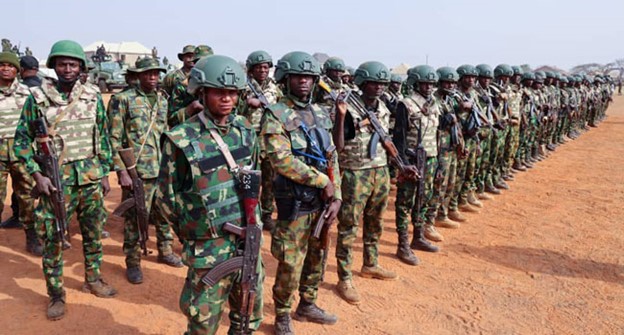
Nigerian troops have recorded fresh operational successes in coordinated counter-terrorism campaigns across the North-West and North-East, killing six terrorists, rescuing a kidnapped underage girl in Zamfara State, and arresting a suspected Boko Haram drug supplier in Borno State, in what the military describes as a renewed push to dismantle armed groups, disrupt supply networks, and restore civilian confidence in conflict-affected regions.
The twin operations, carried out under Operation Fansan Yamma in the North-West and Operation Hadin Kai in the North-East, underscore the military’s evolving strategy of combining kinetic action, intelligence-led raids, and targeted arrests to weaken terrorist groups that have continued to exploit remote terrain and fragile communities.
In Zamfara State, troops of the 8 Division Garrison Strike Force, operating under Operation Fansan Yamma, launched a coordinated ground offensive in the Sububu Forest axis of Maradun Local Government Area, a zone long identified as a key hideout for armed bandit and terrorist factions responsible for kidnappings and village raids.
According to a statement issued on Sunday by the spokesperson of the operation, Captain David Adewusi, the troops moved against terrorist enclaves in the early hours of the operation, engaging fighters who attempted to resist the advance.
The first encounter occurred in Indulumu village, where troops exchanged gunfire with terrorists, killing two of them and recovering an AK-47 rifle. The soldiers then advanced deeper into the forest, pursuing fleeing elements.
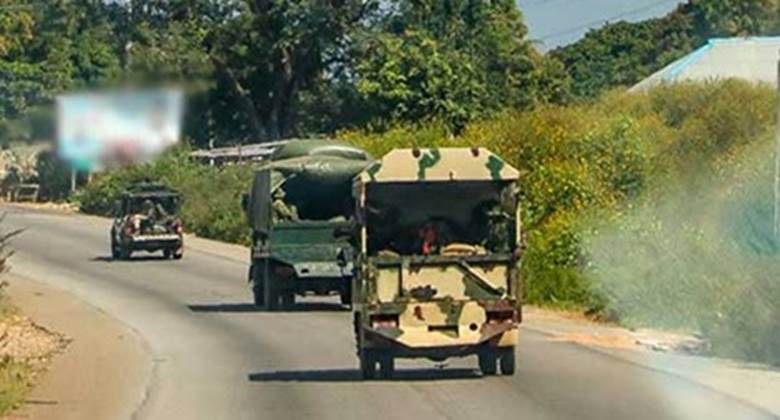
At Ruduno village, the troops encountered another group of armed men, leading to a second gun battle in which four terrorists were neutralised. Items recovered at the scene included another AK-47 rifle, a magazine loaded with 28 rounds of 7.62mm ammunition, and logistics equipment. Two motorcycles believed to be used for movement and supply were destroyed to prevent reuse.
Beyond the battlefield, the operation recorded a major humanitarian success with the rescue of Halira Ibrahim, an underage girl who had been abducted and held in the forest by the same group.
Military sources said the girl was found during follow-up exploitation of the area, as troops searched through destroyed camps and abandoned shelters.
“The operation has resulted in the neutralisation of six terrorists, recovery of arms and ammunition, destruction of terrorist infrastructure, and the successful rescue of a kidnapped underage victim,” Captain Adewusi said.
Troops also destroyed multiple camps and life-support structures in Magaji, Galakaje, Filinga, and Kukatara, dealing a significant blow to the terrorists’ ability to regroup and operate freely in the region.
Local residents described the rescue as a rare moment of relief in a community that has endured repeated attacks, abductions, and forced displacement.
While operations continued in the North-West, troops of Operation Hadin Kai recorded a strategic arrest in Borno State, targeting the logistics chain that sustains Boko Haram fighters.
In Askira Uba Local Government Area, troops apprehended a 65-year-old woman, Hauwa Abulazeez, who is suspected of supplying drugs to insurgents operating across multiple communities.
According to the military, the suspect is believed to be part of a broader network responsible for moving cannabis sativa into Boko Haram-controlled areas, where drugs are reportedly used both to fund operations and to sustain fighters during raids.
Preliminary investigations revealed that the drugs were sourced from Sarti Baruwa Local Government Area of Taraba State and transported through established routes into Borno, passing through areas with limited security presence.
During the arrest, troops recovered 14 compressed blocks of cannabis, weighing approximately 30 kilograms, which authorities say were intended to sustain terrorist operations across Askira Uba, Rumirgo, Gwahi, Wamdiyo, Uvu, and Gaya communities.
The suspect is currently in military custody, as intelligence teams work to identify additional members of the supply network.
Military officials say the arrest reflects a growing focus on non-combat enablers of terrorism, including logistics, drugs, food supply, and financial channels.
“This is a critical part of the fight,” a senior security source told TMN. “When you cut off supply routes, you weaken the operational capacity of terrorist groups without firing a single shot.”
The arrest follows a similar operation in November 2025, when troops apprehended Zubairu Muhammed, a 45-year-old suspect in Uba town, Adamawa State, with cannabis, methamphetamine (locally known as ice), and military camouflage allegedly used to disguise his movements.
Military analysts say such networks are often overlooked but play a central role in sustaining insurgency, especially in areas where fighters rely on stimulants during prolonged operations.
The latest operations reflect an evolving military posture aimed at denying terrorists freedom of movement, dismantling safe havens, and restoring state presence in areas previously abandoned to armed groups.
In Zamfara, the destruction of camps in Sububu Forest is expected to reduce the frequency of attacks on nearby villages, while in Borno, intelligence from the arrest is already being analysed to identify new targets.
The Defence Headquarters has repeatedly emphasised that operations will now be sustained and intelligence-driven, rather than reactive.
For communities in Maradun, Askira Uba, and surrounding areas, the operations offer cautious optimism after years of insecurity.
Residents say the true test will be whether troops remain in the cleared areas long enough to prevent terrorists from returning — a pattern that has undermined previous victories.
The military has assured that follow-up patrols and surveillance operations are already underway, with coordination between ground troops, air assets, and intelligence units.
As Nigeria’s security agencies intensify operations across multiple fronts, the combined success in Zamfara and Borno highlights both progress and the scale of the challenge that remains.
While six terrorists have been eliminated, a child rescued, and a drug network disrupted, large swathes of rural Nigeria remain vulnerable to armed groups exploiting terrain, poverty, and weak infrastructure.
For now, the military says the message is clear: pressure will be sustained, safe havens will be dismantled, and those who support terror — whether with guns or supplies — will be pursued.
Whether this momentum can be maintained will determine if these victories become turning points or just another chapter in Nigeria’s long and painful struggle for lasting security.