
By the middle of the twentieth century, Africa’s political landscape appeared to change overnight. New flags were raised, constitutions drafted, and presidents sworn in. Less visible, yet far more profound, was another revolution—the gradual dethronement of traditional authority. Across the continent, kings, chiefs, and councils of elders who had governed communities for centuries found themselves overshadowed by a new sovereign: the modern state.
This was not merely a transfer of titles; it was a transformation in the very meaning of power. Traditional authority in Africa was never only political. It was spiritual, judicial, and economic at once. The palace regulated land, settled disputes, safeguarded culture, and mediated between the living and the ancestors. Obedience flowed from shared belief, lineage, and communal memory. The modern state, by contrast, rests on constitutions, bureaucracies, and elections—impersonal mechanisms that recognize citizens rather than subjects. Where one drew legitimacy from tradition, the other demanded legality.
The first casualty of this shift was coercive power. In precolonial polities, the king’s word carried the weight of enforcement through palace guards and communal sanctions. Independence-era governments centralized security under national armies and police forces. A chief who once commanded obedience now requires a court order to act. The monopoly of legitimate violence, the lifeblood of sovereignty, moved from the throne to the capital.
Law followed the same path. Customary courts that resolved disputes for generations were subordinated to magistrates and high courts. Constitutions declared themselves supreme over tradition. Matters once decided in the king’s courtyard—marriage, inheritance, land—became subjects of statutes drafted by distant parliaments. Authority rooted in culture was recast as advisory, while written law became final.
Economic change accelerated the decline. Traditional rulers derived influence from control of land and tribute. Postcolonial states nationalized resources, collected taxes, and licensed corporations. Development projects, salaries, and welfare flowed from government agencies rather than palaces. As livelihoods became tied to ministries and markets, loyalty drifted away from ancestral institutions.
Equally decisive was the revolution in ideas. Schools taught civic rights instead of royal genealogy; radio and television celebrated presidents, not dynasties. The language of democracy portrayed hereditary rule as relic. For a generation raised on ballots and social media, legitimacy increasingly meant popular mandate, not sacred lineage.
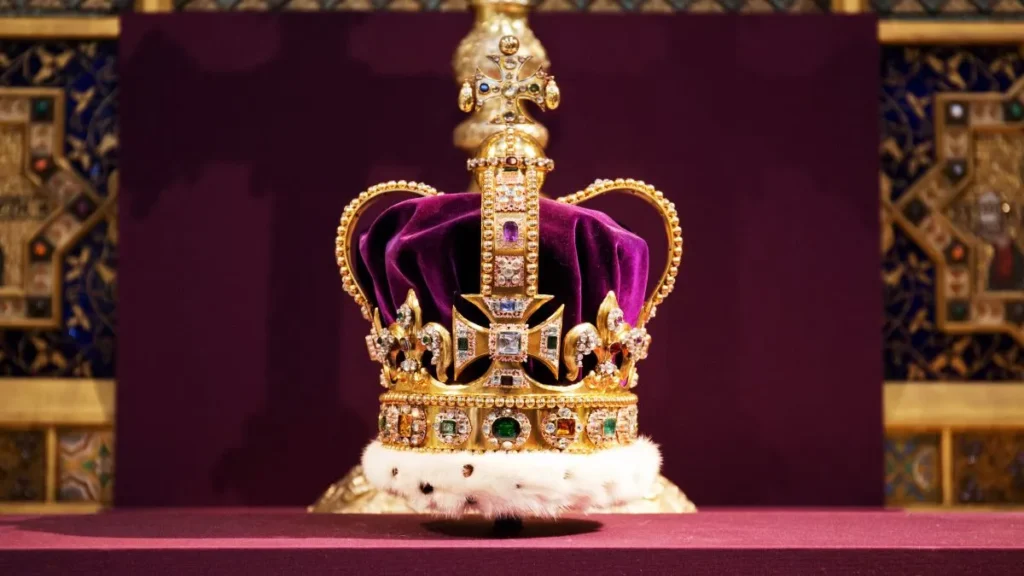
Yet Africa did not simply abolish its thrones. Many governments chose a subtler strategy: domestication. Kings were retained as cultural symbols, placed on state stipends, invited to open ceremonies, and required to seek government approval for installation. The crown survived, but the scepter was removed. Traditional authority became pageantry without power.
This transformation has produced uneasy consequences. The bureaucratic state, though necessary, often lacks the local legitimacy that traditional institutions commanded. In many rural communities, people still turn to chiefs for mediation and moral guidance, even when those chiefs lack legal authority to enforce decisions. The erosion of indigenous structures has sometimes left a vacuum filled by corruption, vigilantism, or politicized ethnicity.
The question is therefore not whether Africa should return to precolonial rule—that path is neither possible nor desirable. The challenge is how to reconcile democratic governance with the cultural institutions that continue to shape identity and social order. Traditional leaders must evolve from rulers to custodians: partners in community development, protectors of heritage, advocates for local justice within constitutional limits.
The modern state swept across Africa promising equality and progress. It delivered many gains, but it also uprooted systems that once bound communities together. If democracy is to deepen rather than float above society, it must find room for the wisdom embedded in tradition. The throne may no longer govern, but its voice still matters. Ignoring it risks building nations without roots—and states without souls.