
Pakistan/Afghanistan
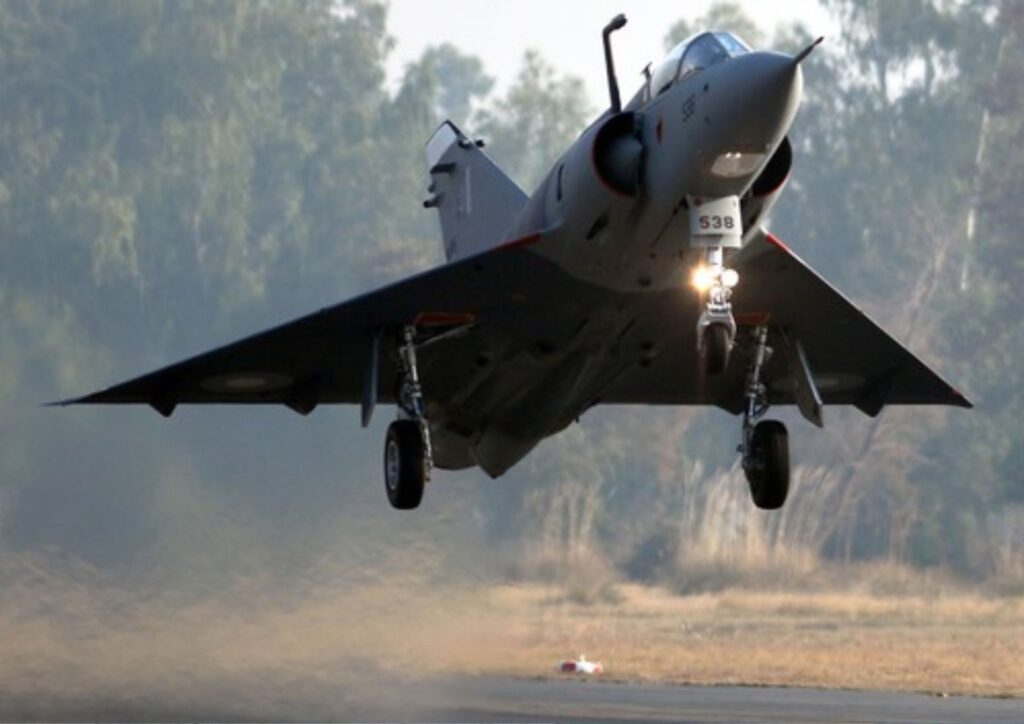
Pakistan launched air strikes on Afghanistan’s capital Kabul and other cities on Friday, with its defence minister declaring “open war” after months of border clashes and Taliban attacks on Pakistani troops.
AFP reporters in Kabul and Kandahar heard jets roaring overhead and loud blasts until dawn during Ramadan. The strikes hit Taliban defence targets in Kabul, Paktia province, and Kandahar—home base of Taliban leader Hibatullah Akhundzada—Pakistan Information Minister Attaullah Tarar said on X.
Defence Minister Khawaja Asif posted: “Our patience has reached its limit. Now it is open war between you and us.” The attack followed Afghan forces hitting Pakistani border troops on Thursday night over earlier Islamabad strikes.
Tensions boiled over a closed border since October fighting that killed over 70 on both sides. Pakistan blames the Taliban for not stopping militants like Tehreek-e-Taliban Pakistan (TTP), which ramped up attacks since the Taliban seized Kabul in 2021. The Taliban denies sheltering them.
South Asia expert Michael Kugelman called it a “significant and dangerous escalation,” with Pakistan now targeting the Taliban regime itself, not just TTP.
Past ceasefires brokered by Qatar and Turkey failed despite talks. Saudi Arabia mediated this month, freeing three Pakistani soldiers captured in October—Foreign Minister Prince Faisal bin Farhan spoke with Pakistan’s Ishaq Dar on Friday. Iran offered to help with dialogue.
Both armies claimed dozens of kills in recent fights. Afghanistan’s defence ministry said eight soldiers died in a border offensive; an official reported seven civilians wounded by a mortar at Torkham crossing camp for returnees from Pakistan. Taliban spokesman Zabihullah Mujahid said no casualties from strikes but announced counter-ops, claiming captured Pakistani soldiers—denied by Islamabad.
Pakistan PM Shehbaz Sharif vowed his forces can “crush any aggressive ambitions.” Earlier strikes killed 13 civilians per UN reports, with more cross-border fire Tuesday.
Kabul streets stayed quiet post-dawn with no extra checkpoints, AFP noted. Recent blasts hit a Shiite mosque in Islamabad (40 dead, claimed by Islamic State) and a Kabul restaurant.
This flare-up risks wider fallout for ordinary Afghans and Pakistanis already facing closed borders and militant threats. With mediators stepping in, a quick truce could ease the pain, but failed talks leave the region on edge.