
Abuja
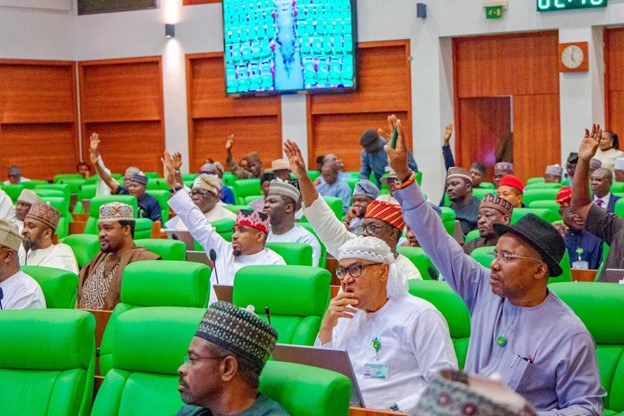
The House of Representatives has taken a major step to scrutinise public spending in Nigeria’s agricultural sector, summoning the Ministers of Finance and Agriculture, along with the Auditor-General of the Federation (OAGF), to account for funds released to agricultural programmes between 2015 and 2025.
The summons, issued on Tuesday by the House Ad hoc Committee on Agricultural Subsidies, Intervention Funds, Aids, and Grants Programmes, follows growing public concerns about food shortages, rising prices, and the perceived inefficiency of past agricultural interventions.
Chairman of the committee, Rep. Jamo Aminu (APC–Katsina), explained that the hearing aims to ensure transparency and accountability in the use of taxpayer funds meant to boost food production, support farmers, and strengthen national food security.
“These funds span a decade and involve critical national programmes. Transparency and accountability are non-negotiable,” Aminu said.
The committee has directed the officials—or their designated representatives—to appear before it on February 3, 2026. Failure to comply, Aminu warned, would attract legislative sanctions in line with the powers of the National Assembly.
The hearing will cover a wide array of programmes, including fertilizer subsidies, input grants, food security interventions, and other government-led agricultural initiatives designed to improve productivity and rural livelihoods.
During preliminary hearings, a Deputy Director in the Auditor-General’s office, Mohammed Adamu, told lawmakers that delays in completing audits were largely due to the non-availability of critical documents from the Ministry of Agriculture.
“The primary source of these documents is the Ministry of Agriculture. Without them, concluding the audit process has been difficult,” Adamu said.
He noted that the Auditor-General’s office had repeatedly requested records on agricultural subsidies, grants, aids, and intervention programmes, but had not received adequate cooperation.
Rep. Aminu criticised the OAGF for the delay in providing audit reports, stressing that comprehensive records are essential to track disbursements, utilisation, and outcomes of the programmes over the ten-year period.
Nigeria has invested billions of naira in agricultural interventions over the past decade, aiming to reduce food imports, support smallholder farmers, and ensure national food security. However, gaps in reporting and accountability have made it difficult to assess the real impact of these investments.
Analysts note that poor tracking of agricultural funds not only undermines the objectives of the programmes but also risks fostering inefficiency and mismanagement. Transparency, they argue, is essential to building confidence among farmers, investors, and citizens alike.
The upcoming hearing on February 3 will be closely watched by both lawmakers and civil society groups. The committee is expected to question officials on fund disbursement, programme implementation, audit compliance, and measurable outcomes of key agricultural interventions.
“We cannot effectively carry out this investigation without proper audit records,” Aminu said.
The results of the hearings could influence future budget allocations, implementation strategies, and oversight mechanisms, with the broader goal of ensuring that government resources genuinely benefit Nigeria’s farmers and enhance national food security.