
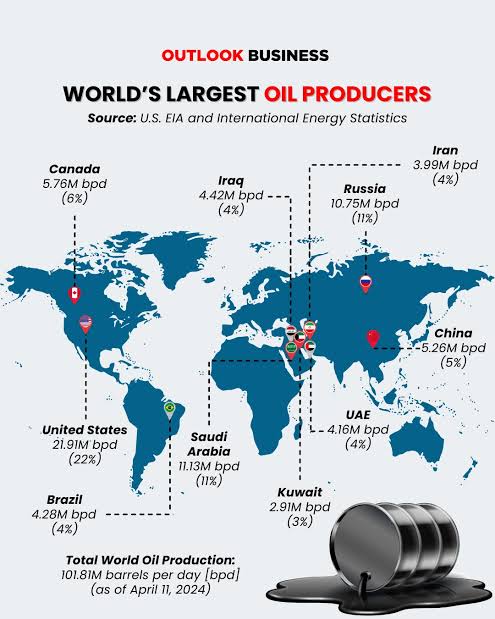
Riyadh — Several leading oil-producing countries in the Middle East have reportedly implemented significant production cuts, a move that could further tighten global crude supply and heighten volatility in international energy markets.
According to a report by Bloomberg News, Saudi Arabia has reduced its oil output by between 2 million and 2.5 million barrels per day, while the United Arab Emirates has cut production by an estimated 500,000 to 800,000 barrels per day.
The report also indicates that Kuwait has lowered its production by about 500,000 barrels per day, while Iraq has reduced output by approximately 2.9 million barrels per day, citing sources familiar with the developments.
Implications for Global Oil Markets
Analysts say the coordinated reduction among major producers could significantly tighten global supply, especially at a time when energy markets are already experiencing heightened volatility.
The cuts are expected to influence global crude prices and could have ripple effects across energy-importing economies, many of which rely heavily on stable supply from Middle Eastern producers.
Impact on Energy-Importing Countries
Countries dependent on imported petroleum products may face higher energy costs if the supply constraints persist. Market watchers note that tightening supply conditions often translate into rising crude prices, increased freight costs, and higher downstream fuel prices.
The development comes amid ongoing fluctuations in global oil markets, where geopolitical tensions, shipping disruptions, and production adjustments continue to shape supply and demand dynamics.
Further details on the duration and strategic rationale for the reported cuts are expected as producers and market regulators respond to evolving global energy conditions.