
Abuja
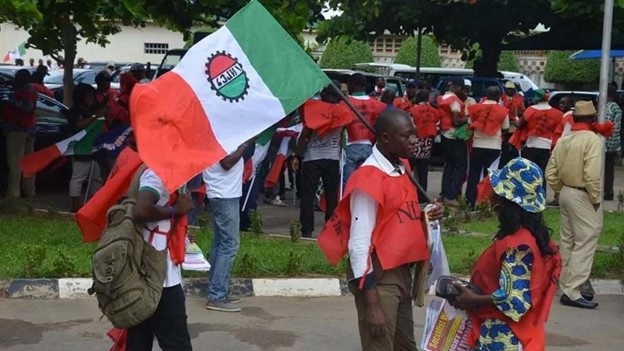
Nigeria’s organised labour is pressing ahead with plans for a nationwide solidarity rally on February 3 in support of striking workers in the Federal Capital Territory (FCT), setting the stage for a tense standoff with security authorities, who have urged labour leaders to reconsider the protest’s timing over security concerns.
The planned rally, announced by the Nigeria Labour Congress (NLC) and the Trade Union Congress (TUC), is intended to show support for workers under the Joint Union Action Committee (JUAC), whose members have been on strike for weeks over unpaid salaries, promotion arrears, and unresolved welfare issues within the Federal Capital Territory Administration (FCTA).
While labour leaders insist the protest will be peaceful and lawful, the police have warned that intelligence reports suggest the demonstration could be infiltrated by hostile elements, raising fears of unrest in the nation’s capital.
JUAC members began an indefinite strike on January 19 after a seven-day ultimatum issued on January 7 expired without any concrete response from the authorities. The strike led to the shutdown of key government offices, including the FCTA Secretariat and the Federal Capital Development Authority (FCDA), disrupting essential administrative services in Abuja.
The unions say the industrial action was a last resort after repeated appeals for dialogue failed to resolve longstanding grievances, particularly unpaid promotion arrears and other entitlements owed to workers across FCTA agencies.
According to labour leaders, the dispute reflects a broader pattern of neglect of workers’ welfare, despite repeated assurances from government officials.
In a joint statement signed in Abuja by NLC General Secretary Benson Upah and TUC Secretary General Nuhu Toro, the two labour centres said the February 3 rally was rooted in a fundamental principle of the labour movement — solidarity.
“The planned rally is to reaffirm labour’s long-held principle that an injury to one worker is an injury to all,” the statement said.
The unions described the struggle of JUAC-affiliated workers as legitimate and non-negotiable, pledging to sustain pressure until justice is achieved.
“The action will send a clear message that labour will resist all forms of intimidation and injustice against workers,” the statement added.
Labour leaders urged JUAC members to remain united and resolute, assuring workers in the FCT that they would not be abandoned. They also directed NLC and TUC affiliates, as well as state councils, to mobilise massively for the rally.
According to the unions, the protest is aimed specifically at the FCDA and will be conducted peacefully, within the law, and without disruption to public order.
However, the Federal Capital Territory Command of the Nigeria Police Force has appealed to labour leaders to reconsider the protest date, citing security risks in Abuja.
In a statement issued on Monday, the FCT Police Public Relations Officer, SP Josephine Adeh, said the Commissioner of Police, Miller Dantawaye, acknowledged the constitutional right of citizens to peaceful assembly but warned that credible intelligence suggested the protest could be infiltrated by the proscribed Islamic Movement of Nigeria (IMN) and other non-state actors.
According to the police, such infiltration could escalate the protest beyond labour-related grievances and pose a serious threat to public safety.
The command appealed to the NLC FCT Council to reschedule the rally in the interest of peace and order, assuring residents that the police remain committed to protecting lives and property across the Federal Capital City.
The police warning followed a mobilisation notice issued by the NLC FCT Council directing affiliate unions to converge at the Labour House as early as 7:00 a.m. ahead of the planned demonstration.
The labour action is unfolding against the backdrop of an ongoing legal battle between JUAC-affiliated workers and the FCTA.
In response to the strike, the FCT Minister, Nyesom Wike, and the FCTA approached the National Industrial Court seeking an order restraining JUAC leaders from continuing the industrial action.
The court, presided over by Justice E. D. Subilim, subsequently ordered the suspension of the strike to allow room for further dialogue between the parties.
Following the ruling, Minister Wike appealed to the workers to return to duty in compliance with the court order, assuring them that discussions to resolve the dispute were ongoing.
Labour unions, however, argue that court orders alone cannot resolve the underlying issues unless concrete steps are taken to address workers’ demands.
The unfolding situation has become a critical test of labour–government relations in the FCT, highlighting persistent tensions over workers’ rights, governance accountability and the role of security agencies in managing public protests.
For organised labour, the February 3 rally represents more than a single protest — it is a statement of resistance against what it describes as systemic neglect and intimidation of workers.
For security agencies, the concern remains how to balance citizens’ constitutional rights with the need to maintain public safety in a city that serves as Nigeria’s political and administrative nerve centre.
As negotiations continue behind closed doors, all eyes are on whether labour will proceed with the rally as planned, whether the police appeal will lead to a compromise, or whether fresh dialogue will avert a confrontation.
What happens next could shape the tone of labour activism in the capital in the months ahead.