
Abuja/Lagos — Nigeria is facing a sharp rise in fuel costs even as external reserves climb to a 13-year high, highlighting a growing disconnect between macroeconomic gains and everyday living conditions.
Petrol and Diesel Prices Climb
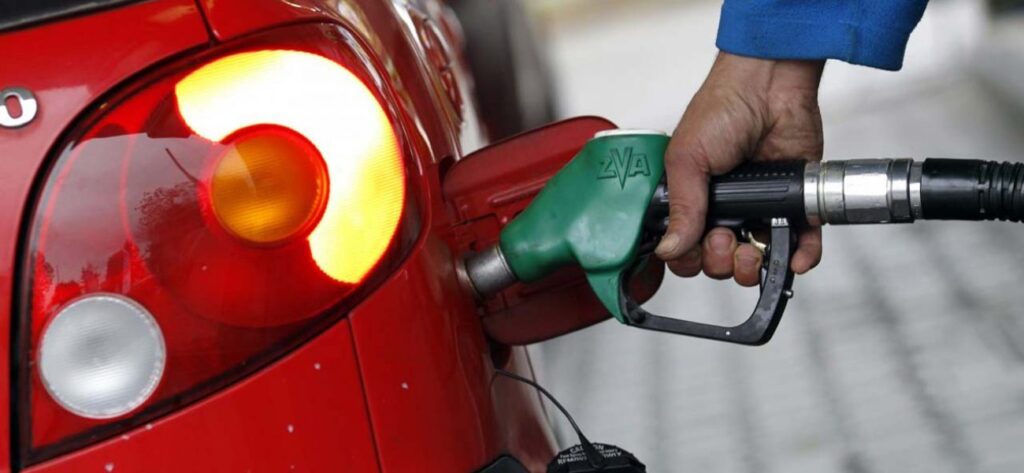
Petrol prices have surged to around ₦1,275 per litre and rising, following multiple upward adjustments by the within a two-week period. The increases come amid a spike in global oil prices, with Brent crude climbing above $112 per barrel.
Diesel prices have also risen sharply, approaching ₦1,750 per litre in Abuja, further increasing operating costs for businesses and transporters.
Global Oil Shock Driving Local Prices
Analysts attribute the price surge to the global energy shock linked to Middle East tensions, which has pushed up crude prices, freight costs, and refining expenses.
Despite Nigeria’s growing domestic refining capacity, local pump prices remain tied to international market dynamics, reflecting the country’s integration into global oil pricing systems.
Reserves Hit 13-Year High
In contrast, Nigeria’s foreign reserves have climbed to about $50.45 billion, the highest level in over a decade. The increase is driven largely by higher oil revenues and improved foreign exchange inflows.
Economic Paradox
The situation presents a stark paradox:
- Government revenues are rising due to higher crude prices
- Consumers are paying more for fuel and transport
- Inflationary pressures are intensifying across the economy
While the oil rally is strengthening public finances, it is simultaneously eroding household purchasing power.
Policy Silence and Public Pressure
The Presidency has yet to issue a formal response to the latest price increases, even as public concern grows over the rising cost of living.
Economists warn that without targeted interventions, the combination of high fuel prices and broader inflation could offset the benefits of improved fiscal stability.
Outlook
With global oil markets still volatile, fuel prices may remain elevated in the near term, placing continued pressure on households and businesses despite Nigeria’s stronger external financial position.