
By International Desk
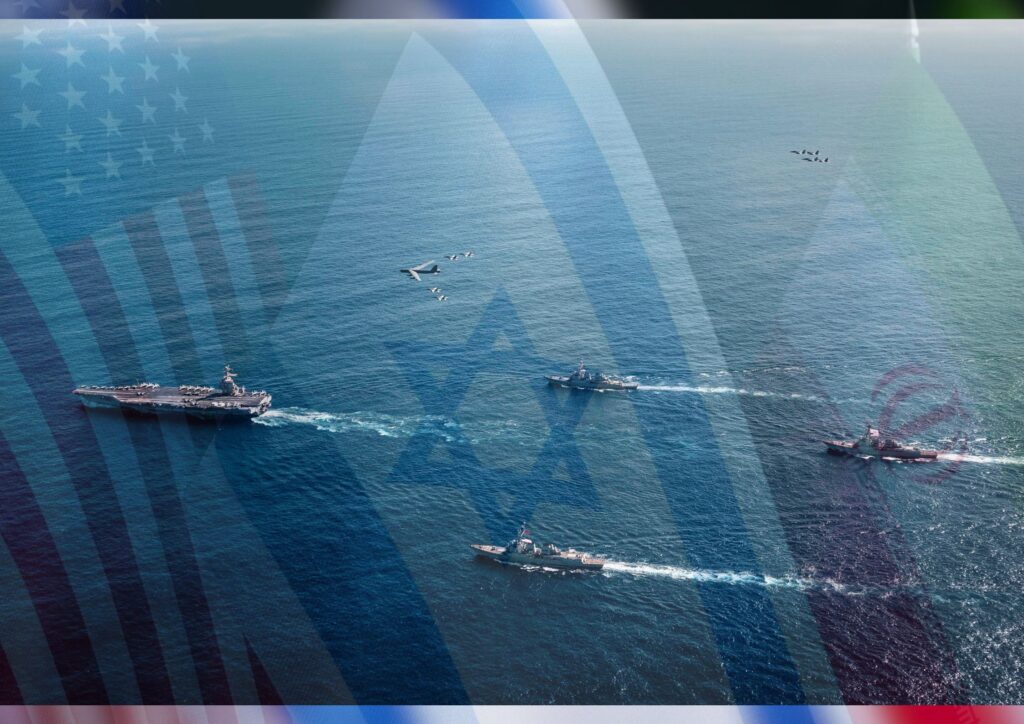
Tension is rising again in the Middle East, with Israel, the United States and Iran at the centre of a fast-changing security situation.
As of the most reliable international reports available, there is no officially declared full war between the three countries. But there have been military actions, strong warnings from leaders, and growing fear across the region. Many analysts say this is one of the most delicate moments in recent years.
For Nigerians watching from Lagos, Kano, Port Harcourt or Abuja, it may look far away. But history shows that when trouble starts in the Middle East, countries like Nigeria often feel the effects — especially through oil prices, food costs and government revenue.
This report explains how things got to this point, what each country wants, and why Nigerians should pay attention.
To understand what is happening now, we need to look back.
The hostility between Israel and Iran was not always like this. Before Iran’s 1979 Islamic Revolution, the two countries actually had quiet working relations. But after the revolution, Iran’s new leadership openly opposed Israel and began seeing it as an enemy in the region.
Since then, their rivalry has mostly happened indirectly — through intelligence operations, cyber attacks and supporting different groups across the Middle East instead of fighting each other openly.
The United States has been Israel’s strongest ally for decades, supporting it with military aid, diplomacy and strategic backing. At the same time, America’s relationship with Iran has been tense for years, especially because of concerns about Iran’s nuclear programme and ongoing economic sanctions.
So what we have today is a triangle of tension:
- Israel vs Iran
- United States backing Israel
- Iran pushing back against both
From time to time, this triangle heats up — and that is what we are seeing again.
The latest tension followed a series of confrontations involving Israel and groups believed to be linked to Iran.
Israel says it is carrying out targeted actions to stop what it sees as security threats near its borders. Iranian officials have accused Israel of aggression and warned that there will be consequences.
The United States has also increased its military readiness in the region. American leaders have repeated two key messages:
- They will defend Israel and protect American interests.
- They are not looking for a full-scale war with Iran.
Security experts warn that the biggest danger right now may not be a planned war — but a mistake. In tense environments like this, one attack or strong retaliation can quickly lead to something bigger than anyone intended.
Israel’s Position
Israel says its actions are defensive. Its leaders have made it clear that they will not allow what they see as hostile forces to gain strength close to their borders. In the past, Israel has often acted early when it believes a long-term threat is growing.
But if tensions continue rising, more countries in the region could get involved, which would make the situation more serious.
Iran’s Position
Iran usually avoids direct war with stronger powers. Instead, it often responds indirectly through allied groups and political partners in the region.
Iran is also facing serious economic challenges at home, partly because of international sanctions. A full war would put heavy pressure on its economy and internal stability. Because of this, many analysts believe Iran may respond carefully — strong enough to show it cannot be bullied, but not so strong that it leads to a total war.
America’s Role
The United States has military bases and assets across the Middle East and sees itself as a stabilising force. But critics argue that America’s presence sometimes increases rivalry, especially with Iran.
Right now, the U.S. appears prepared but cautious. It is showing strength while also saying clearly that it does not want open war.
At the moment, there is no officially declared full-scale war between Israel, the United States, and Iran.
Instead, what we have is:
- Military show of strength
- Limited targeted actions
- Strong political statements
- Quiet diplomatic talks happening behind closed doors
This type of situation — not peace, but not full war — is often the most unpredictable stage of a crisis.
Diplomatic channels are still open. In past crises, quiet negotiations have helped calm tensions. Whether that will happen again depends on how careful each side is in the coming days.
At first glance, this crisis may look far away. But Nigeria’s economy is closely connected to global oil markets and international trade.
1. Oil Prices and Government Revenue
The Middle East is very important in global oil production. If there is fear of war or disruption, oil prices usually rise.
For Nigeria, higher oil prices can mean more government revenue in the short term. That could improve foreign exchange inflows and support the national budget.
But there is another side.
Nigeria still imports refined petroleum products. When crude oil prices rise globally, petrol prices can also rise. That can lead to:
- Higher transport fares
- Increased food prices
- More pressure on household budgets
For many Nigerians already struggling with inflation, even small fuel price increases can quickly affect daily life.
2. Inflation and Imported Goods
If tensions disrupt shipping routes or increase insurance costs for cargo, global trade becomes more expensive.
Nigeria imports many goods — including fuel, machinery and consumer products. If shipping becomes more costly or slower, inflation could rise further.
With the government trying to stabilise prices and strengthen the naira, any global shock can make recovery more difficult.
3. Nigerians Living in the Middle East
Thousands of Nigerians live and work in parts of the Middle East.
If the situation worsens, the Nigerian government may need to monitor their safety and prepare emergency plans if necessary.
The Middle East has long been a region where global power struggles play out. From the oil shocks of the 1970s to more recent conflicts, instability there has often shaken global markets.
Nigeria, as an oil-producing country that depends on international trade, has felt these effects many times — through currency pressure, oil price swings and changing foreign investment flows.
What is happening now follows that same pattern: events happening far away influencing realities at home.
Analysts outline four possible paths:
- Calm Down Through Diplomacy: Talks succeed, and tension reduces.
- Limited Strikes Continue: Small back-and-forth actions remain controlled.
- Regional Spread: More countries become directly involved.
- Full War: A major incident triggers open conflict — something most global powers say they want to avoid.
For now, many experts believe tension may continue without turning into full war. But the situation can change quickly.
For policymakers in Abuja, careful monitoring is important.
Authorities may need to:
- Watch oil price movements closely
- Prepare for possible inflation pressure
- Protect Nigerians living abroad
- Strengthen economic buffers against external shocks
For ordinary Nigerians, the main question is simple: Will this crisis increase fuel and food prices at home?
As of now, there is no declared full war between Israel, the United States and Iran.
What we have is a fragile stand-off — heavy military signalling, strong warnings and quiet diplomacy happening behind the scenes.
For Nigeria, this crisis is a reminder that global events are not truly distant. From petrol prices to inflation and government income, what happens abroad can quickly affect life at home.
The coming days and weeks will be important.
For now, the world is watching carefully — and hoping that caution will win over conflict.