
KANO
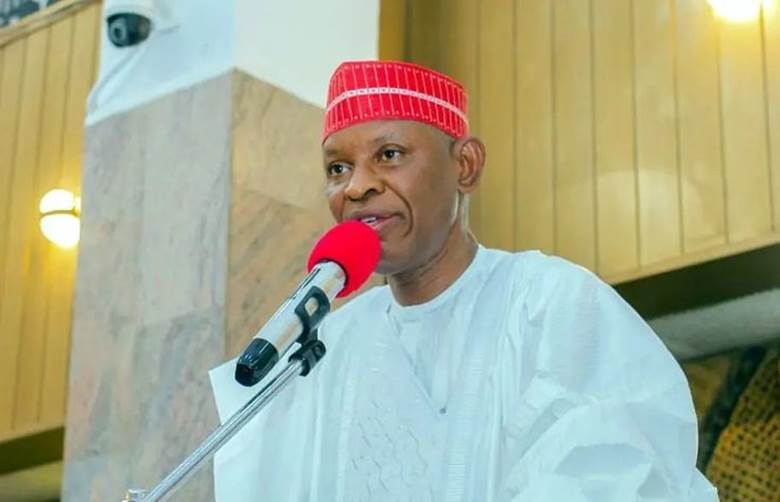
The defection of Kano State Governor Abba Kabir Yusuf to the ruling All Progressives Congress (APC) has reshaped the state’s political landscape, with implications that extend well beyond party politics, sending ripples across northern Nigeria and setting the tone for the 2027 general elections.
Kano, one of the country’s most populous and politically influential states, now strengthens APC’s presence in the North. In announcing his defection at a political event at the Government House, Yusuf said his decision “is not driven by personal interest or political ambition” but taken “in the interest of unity, peace, stability, progress and sustainable development of Kano State.”
The governor’s move also signals a closer alignment between the state and the federal government. Former APC National Chairman Dr. Abdullahi Umar Ganduje welcomed Yusuf into the party and declared him the APC leader in Kano, assuring him of full party backing ahead of the 2027 governorship contest. “Every member and leader of the party is 100 per cent with him,” Ganduje said, further urging supporters to unite behind the governor.
Inside Kano, the defection shifts the balance of power among political actors. Yusuf joined the APC alongside a major bloc of elected officials — including 22 members of the Kano State House of Assembly, nine members of the House of Representatives, and all 44 local government chairmen — dramatically altering the state’s political alignments.
For opposition parties, the consequences are immediate and significant; the loss of the governorship is a considerable setback. The New Nigeria Peoples Party (NNPP) national spokesperson, Ladipo Johnson, described Yusuf’s defection as a “betrayal of public trust,” arguing that leaving the party that won massive popular support in Kano without consulting voters undermines the mandate given in 2023. “Without consulting the people, you hand power back to the same forces that were voted out … That is an act of betrayal, no matter how you try to sugarcoat it,” Johnson said.
Another NNPP official, Ibrahim Karaye, said the party was “deeply hurt” by the defection but insisted that the NNPP “remains strong and remains the party to beat in Kano State.”
The implications extend beyond Kano. The defection strengthens APC’s dominance in northern Nigeria and could inspire similar realignments in other states, as politicians weigh party loyalty against strategic opportunities in the federal government’s ruling party. Analysts note that having a bloc of state and federal lawmakers aligned with the APC could reshape legislative and electoral strategies ahead of 2027.
Yet Kano voters have historically resisted elite arrangements when governance fails to deliver results. Economic conditions, social stability, and leadership credibility remain decisive factors at the ballot box, meaning party labels alone may not secure victory. In the past, political shifts without tangible improvement in citizens’ lives have led to significant public backlash in the state.
Ultimately, the success of this political realignment will hinge on performance. While Kano’s political map has shifted, the final judgment lies with the electorate, whose votes will determine whether APC consolidates its hold or faces renewed competition in 2027.