
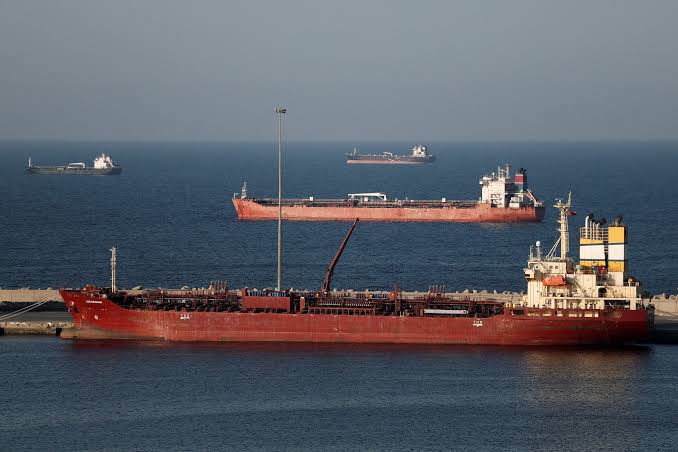
Dubai — The escalating disruption around the is beginning to hit global markets, with early signs of impact on aviation, agriculture, and regional security.
Air travel costs are already rising, with the CEO of warning that airfares have increased by about 20 per cent, driven by higher fuel costs and rerouted flight paths to avoid conflict zones.
Security Escalation in the Gulf
In a sign of intensifying regional tensions, reported intercepting 28 drones within a 24-hour period, underscoring the growing security risks around critical energy and transport infrastructure.
Agricultural Supply at Risk
The crisis is also threatening global food supply chains. With fertilizer season approaching in key agricultural markets, analysts warn that as much as 30 per cent of supply routes are currently disrupted or blocked, raising concerns about availability and price spikes.
Fertilizers, many of which are transported through or near Gulf shipping routes, are essential for crop production cycles, making the timing of the disruption particularly sensitive.
Broader Economic Impact
The combined effects of:
- higher aviation costs,
- maritime disruptions, and
- supply chain bottlenecks
are expected to feed into global inflationary pressures, especially in energy-importing and agriculture-dependent economies.
Market watchers say the Strait of Hormuz crisis is no longer confined to energy markets alone but is now spilling into wider economic sectors, with potential consequences for food security, transportation costs, and industrial production.
Outlook
With tensions still unresolved, analysts warn that prolonged disruption could deepen economic strain globally, particularly if shipping routes remain constrained and security incidents continue to escalate.
The situation remains fluid, with governments and industries closely monitoring developments across the Gulf.