
Abuja
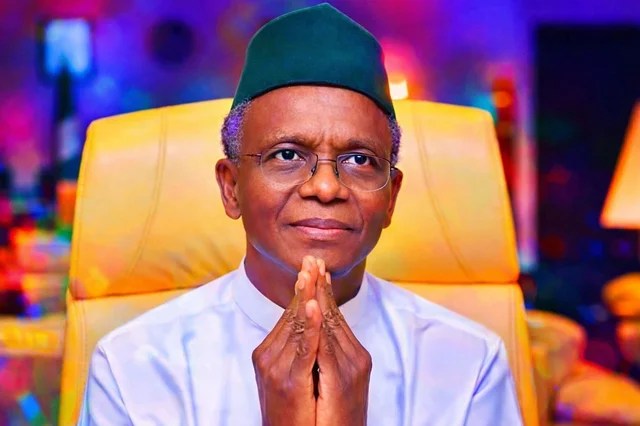
The Arewa Think Tank has issued a sharp warning to former Kaduna State Governor Nasir El-Rufai, cautioning him against interpreting President Bola Ahmed Tinubu’s silence amid an escalating political dispute as a sign of weakness.
In a statement released on Wednesday, the group’s convener, Muhammad Alhaji Yakubu, accused El-Rufai of attempting to deflect attention from allegations connected to his tenure in Kaduna State by launching public attacks against the National Security Adviser, Nuhu Ribadu.
“El-Rufai should not mistake President Tinubu’s tolerance and patience for weakness,” Yakubu said. “The days of impunity are over, and accountability will catch up with him.”
The group’s reaction comes amid growing tensions between El-Rufai and Ribadu, after the former governor accused the NSA of orchestrating moves against him. While details of the alleged plot remain contested, the exchange has intensified political debate within the ruling elite and across northern political circles.
Yakubu described El-Rufai’s allegations as “diversion tactics,” insisting that citizens of Kaduna State deserve clarity on issues raised regarding his time in office.
“We believe that objective opposition is what Nigeria needs, not opposition laced with hatred,” the statement read. “From the way El-Rufai has criticised and repeatedly mentioned the NSA, it suggests deep-rooted hostility, which is not healthy for our polity.”
Adding a legal dimension to the dispute, the Arewa Think Tank expressed support for the Federal Government’s reported decision to file cybercrime-related charges against El-Rufai at the Federal High Court.
The charges reportedly stem from allegations that El-Rufai unlawfully intercepted phone communications involving the NSA and failed to notify security agencies — claims that, if substantiated, could carry significant national security implications.
Yakubu described the alleged interception as a serious breach of protocol.
“An admission of tapping the NSA’s phone, if proven, is a serious breach of national security protocol and a threat to Nigeria’s stability,” he said.
Security analysts have similarly warned that unauthorised interception of communications involving top national security officials could undermine public safety, compromise intelligence operations and raise broader concerns about institutional integrity.
Beyond the legal questions, the controversy underscores deeper political fault lines. El-Rufai, a prominent northern political figure and former cabinet minister, has in recent months emerged as a vocal critic in certain policy debates, fueling speculation about widening fractures within influential political blocs.
The Arewa Think Tank accused him of engaging in what it termed “politics of bitterness and blame-game,” arguing that criticism of the Tinubu administration should not overshadow unresolved questions from his gubernatorial tenure.
Yakubu maintained that President Tinubu’s restrained posture should be seen as a deliberate leadership approach rather than reluctance to act.
“Silence should not be mistaken for weakness,” he said, adding that due process must take its course and that no individual, regardless of status, is above the law.
s of Wednesday evening, neither El-Rufai nor the Presidency had issued a fresh public response to the group’s latest remarks. The absence of immediate reactions has left observers watching closely to see whether the dispute will escalate further or shift decisively into the courts.
For now, the episode adds another layer to Nigeria’s evolving political landscape — where questions of accountability, national security and elite rivalry continue to intersect.
How the matter unfolds in the coming weeks may not only shape individual reputations but also influence broader perceptions of institutional strength and political stability within Africa’s largest democracy.