
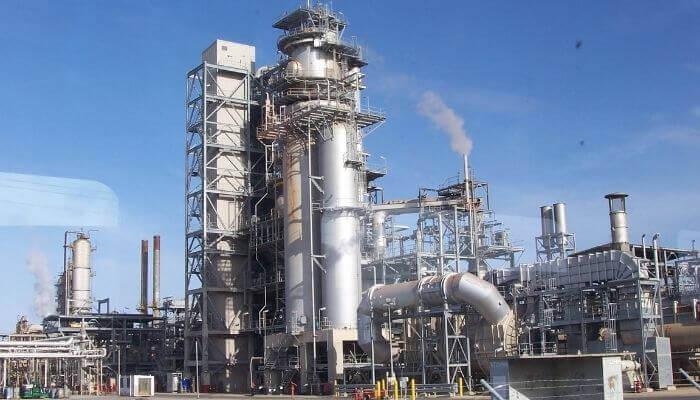
Lagos — The Dangote Petroleum Refinery says it will continue to meet Nigeria’s fuel demand despite growing disruptions in global energy markets, assuring consumers of stable domestic supply.
Speaking during a media chat, Managing Director and Chief Executive Officer David Bird said the refinery’s local production capacity is helping shield Nigeria from supply shocks affecting many import-dependent countries.
Domestic Refining as Supply Security
Bird noted that domestic refining has significantly strengthened Nigeria’s fuel supply security, reducing the risk of shortages and long fuel queues even during periods of global market disruption.
He explained that although the refinery participates in Nigeria’s crude-for-naira framework, crude oil supplied to the facility is still purchased at international benchmark prices, meaning the refinery does not benefit from discounted feedstock.
Global Oil Market Turbulence
According to the refinery chief, international oil markets are currently experiencing sharp volatility, with crude prices jumping from the mid-$60 per barrel range to nearly $120 per barrel within a week.
He added that the refinery is fully exposed to global commodity market conditions, including fluctuations in crude prices, freight charges, insurance costs, and financing rates.
One of the most significant cost pressures has come from shipping, where tanker freight rates have surged dramatically.
Freight costs, he said, have risen from roughly $800,000 per shipment to about $3.5 million in the current market environment.
Production Capacity
Bird confirmed that the Dangote refinery is currently operating at its nameplate capacity of about 650,000 barrels per day, with the potential to increase production to approximately 700,000 barrels per day as operational optimisation continues.
Industry Impact
Analysts say the refinery’s scale and domestic supply capability could play a critical role in stabilising Nigeria’s fuel market, particularly at a time when global supply chains are strained and import-dependent economies face rising costs.
The Lagos-based facility is the largest single-train refinery in the world and represents a major shift in Nigeria’s long-standing dependence on imported petroleum products.