
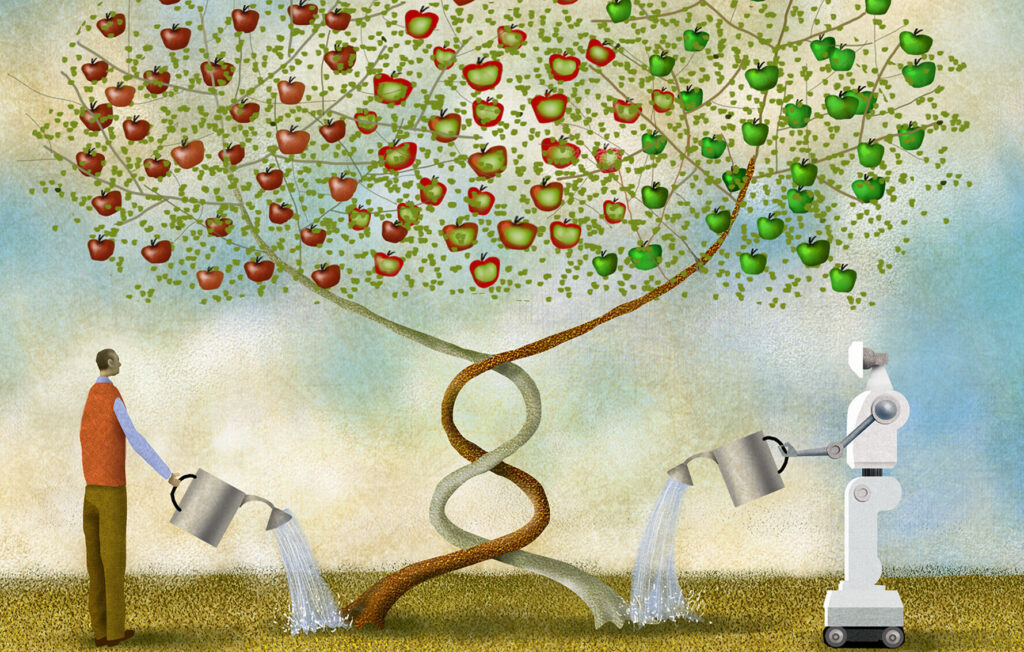
In offices lit by screens, classrooms shaped by metrics, and public debates driven by data, modern life moves at the speed of calculation. We measure performance, optimise systems, and trust algorithms to recommend what we should read, buy, or believe. Intelligence—human and artificial—has become the defining virtue of progress. Yet, amid all this precision, many people sense something missing.
It appears in quieter moments: after achievement fails to satisfy, when efficiency feels hollow, or when success answers every question except the one that matters most—why. In an age that prizes reason above all else, the language of the soul can seem outdated. And yet, the anxiety, moral confusion, and search for meaning that define this era suggest that reason alone may not be enough.
The soul, often dismissed as abstract or unscientific, refers to the inner life through which human beings experience identity, conscience, and purpose. It is not opposed to reason, nor does it compete with science. Rather, it provides the interior space where reasoning is weighed, values are formed, and choices gain moral weight. Without this inner dimension, reason becomes purely instrumental—highly effective at achieving goals, but silent on whether those goals are worth pursuing.
Modern culture tends to assume that what cannot be measured does not matter. Yet the most decisive elements of human life resist calculation. Love cannot be quantified. Dignity cannot be graphed. Justice cannot be reduced to data points. We do not compute the value of a human life the way we assess productivity or profit. We recognise it. That recognition is not irrational; it belongs to a deeper register of human understanding—the realm of the soul.
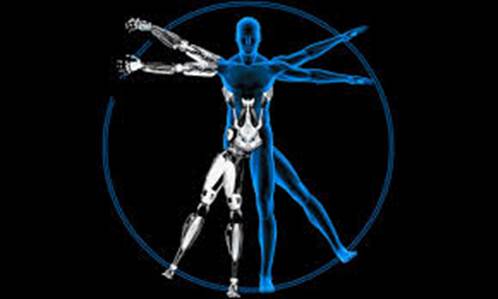
Classical philosophy never understood the soul as a physical object hidden within the body. It was described instead as the principle that animates and unifies human life: embodied without being reducible to biology, expressed through thought and action without being confined to chemistry or neurons. To deny the soul is not merely to reject a metaphysical idea; it is to reduce the human person to function, output, and biology.
The consequences of this reduction are increasingly visible. People become data sets rather than stories. Workers are evaluated by metrics but not meaning. Citizens are treated as voters, consumers, or risks to be managed. Leadership becomes efficient yet emotionally distant; governance becomes strategic but morally thin. Even success loses its depth when detached from purpose. Intelligence advances, but wisdom quietly recedes.
Defending the soul does not require abandoning reason. The enduring mistake of modern rationalism was not its confidence in human reason, but its assumption that reason is self-sufficient. Reason explains how to act; the soul asks why action matters. Reason refines means; the soul judges ends. When the inner life is neglected, society does not become more rational—it becomes morally disoriented.
This tension is especially visible in the age of artificial intelligence. Machines now generate language, analyse patterns, and mimic creativity with remarkable speed. What they cannot replicate is moral interiority: the lived experience of responsibility, remorse, aspiration, or transcendence. A machine can process information, but it cannot bear meaning. The soul marks that distinction, and it is precisely this distinction that keeps humanity from becoming a technical problem to be solved.
It is no accident that, despite technological progress, people continue to search for depth. They ask whether their lives matter, whether justice is real, and whether suffering has meaning. These are not technical questions. They are questions that arise from the inner life. They persist because no amount of efficiency can answer them.
The age of reason has not eliminated the soul; it has revealed the cost of forgetting it. If modern society is to remain humane, reason must be guided by inner life, and intelligence tempered by conscience. The soul still matters—not as a rejection of progress, but as its moral compass. Without it, we may know how to do almost everything, yet remain uncertain about why any of it truly matters.