
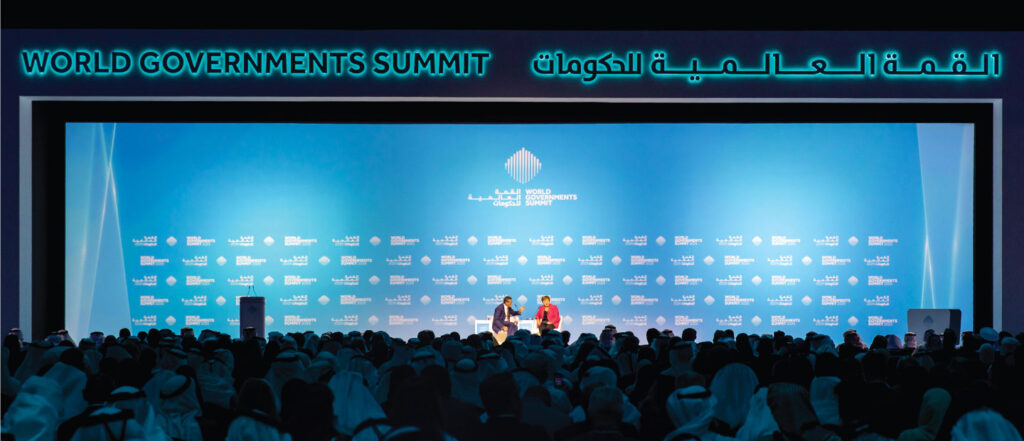
African leaders are urging the global community to rethink its long-standing engagement with the continent, calling for a shift from aid-driven development to investment-led growth as Africa sustains an annual economic expansion of about four percent.
Speaking amid renewed global debates on economic restructuring and capital flows, policymakers argue that Africa’s youthful population, rapid urbanisation, and expanding digital and consumer markets position the continent as an emerging investment portfolio, not merely a development project. The message is clear: Africa wants capital that builds industries, creates jobs, and drives long-term productivity rather than short-term aid inflows.
The push comes as global development thinking evolves, with increasing emphasis on private investment, blended finance, and public–private partnerships. While aid has historically played a crucial role in addressing humanitarian needs and building basic infrastructure, African leaders say it has been insufficient in delivering large-scale structural transformation.
However, analysts caution that the transition from aid to capital is conditional. Global investors continue to weigh political stability, regulatory certainty, infrastructure quality, and currency risks before committing long-term funds. As a result, aid is unlikely to disappear but may increasingly be used to de-risk projects and attract private capital.
Geopolitical competition is also reshaping Africa’s economic relevance, as global powers and sovereign wealth funds expand their footprint across the continent in search of markets, resources, and strategic partnerships.
For Africa, the challenge now lies in converting growth potential into investable confidence. As global attention gradually shifts from charity to capital, governance reforms and institutional credibility will determine whether the continent’s investment narrative translates into tangible economic transformation.