
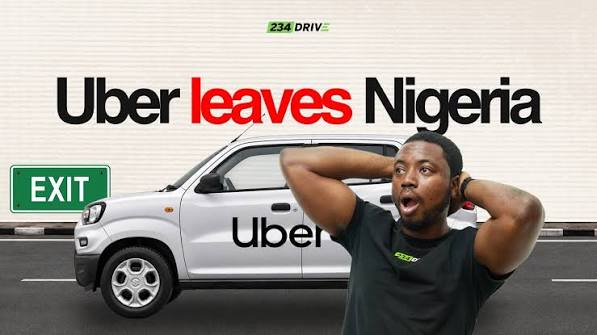
Wednesday morning, Ojota. The generator hum, the smell of fried akara from the roadside stall, and a driver named David scrolling his phone the way he’s scrolled it every morning for six years — waiting for the ping. Nothing comes. Instead, an email. Polite. Corporate. Final. He bought that Camry specifically to hustle for Uber. Now the loan is still due, and the app that was supposed to pay it off has gone quiet.
That’s not a metaphor. That’s Wednesday, September 2, 2026, for thousands of Nigerian drivers.
The email that broke six years of routine
In Port Harcourt, Peggy Oyibo didn’t even see it coming — not because there was no warning, but because she hadn’t opened her mail that morning. A reporter called first. She checked after. Confirmed it herself. Her words, when she finally processed it: “This is all I do to put food on my table.” No embellishment needed there — that line does the work of an entire economic report.
Mezie, further down the line, put it simpler still: sad to see them go. He’d been with Uber “for many years,” he said, and for him it wasn’t just the app — it was the diaspora customers, the Nigerians abroad booking rides for family back home, who trusted the Uber name specifically. That trust doesn’t transfer automatically to Bolt. It doesn’t transfer to inDrive either. It just… evaporates, and drivers like Mezie have to rebuild it from scratch, on somebody else’s platform, on somebody else’s terms.
Twelve years, gone in one email
Uber came to Lagos in 2014 like every big foreign platform comes to Lagos — with promise, with subsidies, with a app that made hailing a ride feel like the future had finally arrived. Twelve years later, it left the same way most foreign platforms leave: quietly, by email, “after a thorough review of our business.” Dara Khosrowshahi, sitting in San Francisco, called it a push toward “clearer ownership, faster decisions.” Nobody in Ojota asked for clearer ownership. They asked for fares that kept up with fuel prices. That’s the disconnect in one sentence.
Because let’s not pretend this came out of nowhere. Bolt had already eaten Uber’s lunch by 2020 — over 60 percent of the market, built on relentless price wars. Then inDrive showed up with its bidding system, letting drivers and riders haggle like it’s Balogun Market, and by 2024 more drivers preferred inDrive than Uber, full stop. March 2026, Lagos drivers were already on the streets protesting — fuel prices climbing, commissions frozen at 25 to 30 percent, patience running out. Some of the loudest voices online this week aren’t even sad. They’re saying Uber had years to fix the commission wahala and chose not to. That anger is as much a part of this story as the grief is.
The bigger trap nobody escapes
Here’s the part that should worry Bolt and inDrive too, not just Uber shareholders: naira wahala didn’t stop when Uber left. Fuel price still high. Subsidy still gone since 2023. The Iran crisis still pushed crude prices up and dragged Nigerian pump prices with it. Any platform trying to run rides in this economy is stuck in the same trap — raise fares, lose riders to danfo and keke; hold fares, lose drivers to whichever app pays better that week. Uber just ran out of patience for that trap first. Bolt and inDrive are still in it. That’s not a victory lap for them. That’s a countdown.
What Nigeria’s neighbours got right
Look across the border and the pattern gets sharper. Kenya kept Uber around longer because Uber actually bent — adapted to local negotiation culture instead of forcing a rigid global template on it. Ghana’s market is smaller, less chaotic, no commission wars boiling over into street protest. South Africa’s currency isn’t doing somersaults every quarter the way the naira is. Nigeria didn’t fail at ride-hailing — 2,500 competing apps say otherwise, even if most of them are barely surviving. What failed was a foreign company’s insistence on running Lagos like it runs London, in a market that was never going to sit still for that.
Who actually pays for this
Bolt says Nigeria remains important. inDrive keeps expanding. Lagride is still standing. Good — that’s opportunity for somebody. But David’s car loan doesn’t care which app wins the market share fight. Peggy’s dinner table doesn’t care about “portfolio discipline.” And there’s no NCC-style regulator standing over any of these platforms making sure commissions are fair or drivers get warning before the lights go out. That gap — not Uber’s spreadsheet, not Khosrowshahi’s restructuring memo — is the real headline here. A market this size, feeding this many households, still runs on nothing but the goodwill of whichever multinational hasn’t found a reason to leave yet.
Uber didn’t lose Nigeria. E don cast — the company simply calculated that Nigeria, as currently priced and currently unregulated, wasn’t worth the wahala anymore. The people left holding the bag were never in that spreadsheet to begin with.