
Refinery’s switch to dollar-denominated fuel sales ripples across Nigeria, driving pump prices higher and exposing consumers to foreign exchange volatility.
LAGOS — For seven years, Chukwuemeka Obi has worked the fuel pumps at a filling station in Ojodu Berger, Lagos. He has witnessed fuel shortages, subsidy removals, and price adjustments, but says few developments have unsettled customers as much as the latest surge in petrol prices.
“Since last week, we don’t know from one day to the next what price we will sell,” he said. “The depot is calling us ₦1,200, sometimes ₦1,220. Some customers thought I was joking when I told them the new price.”
He was not.
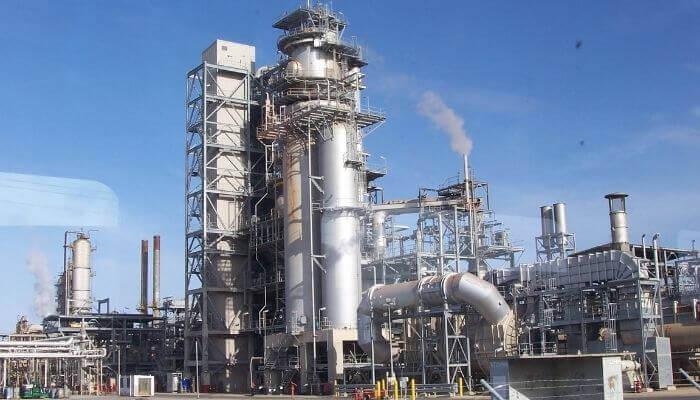
The sharp increase follows Dangote Petroleum Refinery’s decision to begin selling Premium Motor Spirit (PMS), diesel and aviation fuel in U.S. dollars for domestic transactions, replacing the naira-denominated pricing regime that had been in place since October 2024.
The policy shift, which took effect on 13 July 2026, automatically rendered existing naira invoices invalid and requires petroleum marketers to source foreign exchange before lifting products from the refinery.
Under the new pricing structure, petrol is sold at $0.779 per litre at the gantry. At prevailing exchange rates of about ₦1,550 to the U.S. dollar, the ex-depot price translates to roughly ₦1,207 per litre before transportation, distribution and retail margins are added.
The result has been an immediate jump in pump prices across parts of the country, with motorists now paying between ₦1,200 and ₦1,250 per litre, compared with around ₦1,080 only weeks earlier.
Marketers Caught Off Guard
The Independent Petroleum Marketers Association of Nigeria (IPMAN) says many operators received little or no notice before the pricing transition.
Western Zone Chairman, Oyewole Akanni, said several marketers were unable to lift products after loading activities were temporarily disrupted.
“Four truckloads of PMS meant for my filling stations have remained parked at the Dangote refinery since the suspension began,” he said.
Dangote Refinery has, however, rejected claims that it suspended gantry operations.
Its spokesman, Anthony Chiejina, described reports of halted fuel loading as inaccurate, insisting that product distribution continued without interruption.
Despite the refinery’s assurances, reports from several retail outlets suggested temporary supply disruptions, with some filling stations experiencing intermittent shortages while adjusting to the new pricing framework.
Forex Risk Returns
The shift effectively transfers foreign exchange risk back to petroleum marketers.
Under the previous naira-based arrangement, marketers were shielded from daily exchange-rate fluctuations when purchasing refined products locally. With transactions now denominated in dollars, changes in the naira’s value are expected to have a more immediate impact on domestic fuel prices.
Analysts say the development underscores the growing influence of exchange-rate movements on Nigeria’s downstream petroleum market following the removal of fuel subsidies and the liberalisation of the foreign exchange regime.
Government Under Pressure
The Federal Government has appealed for calm and says it is engaging stakeholders to address concerns arising from the pricing transition.
The development presents a fresh policy challenge for the Tinubu administration, which removed fuel subsidies in 2023 on the argument that market reforms would eventually deliver efficiency, investment and price stability.
Instead, consumers are once again confronting higher fuel costs, with knock-on effects expected across transportation, food prices, logistics and household budgets.
The Human Cost
For workers like Chukwuemeka Obi, the economics of foreign exchange policy are secondary to the daily realities at the filling station.
“My customers are suffering,” he said quietly. “And when they suffer, I suffer.”
His experience reflects a broader national reality: when fuel prices rise in Nigeria, the impact extends far beyond filling stations—touching transport fares, food inflation, business costs and the finances of millions of households.