
Niamey, Niger
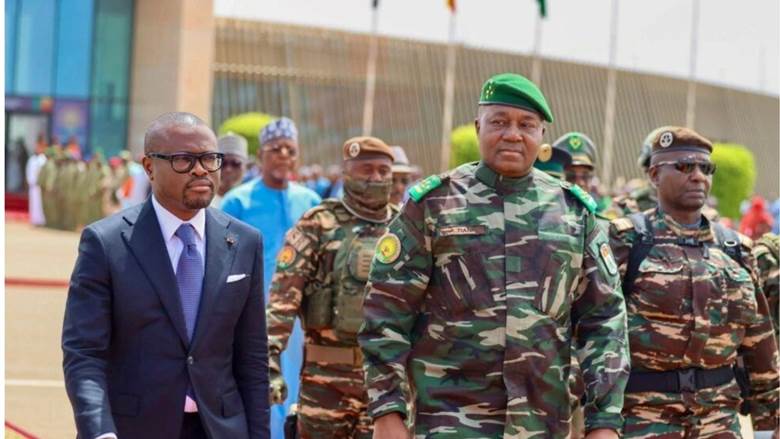
Benin Republic’s President, Romuald Wadagni, on Tuesday visited neighbouring Niger Republic, becoming the first Beninese president to make the trip since the military takeover in Niger in 2023 damaged relations between the two countries.
The visit to Niger’s capital, Niamey, is being seen as an important step towards rebuilding trust and improving cooperation after nearly three years of political tension, border restrictions, and diplomatic disagreements.
Niger’s state television, Tele Sahel, showed military leader General Abdourahamane Tiani receiving President Wadagni on arrival, a move many observers believe signals a fresh effort by both countries to restore normal relations.
According to the Beninese presidency, the visit is part of a broader plan to strengthen ties with neighbouring countries and promote peace and stability across the region.
How the Crisis Started
Relations between Benin and Niger became strained after the July 2023 military coup in Niger, which removed then-President Mohamed Bazoum from office.
The takeover drew criticism from many countries and regional bodies, especially the Economic Community of West African States (ECOWAS), which threatened sanctions and possible military action to restore democratic rule.
As tensions grew, Niger’s military government accused Benin of allowing foreign military activities on its territory and claimed that French military facilities were being used against Niger. Benin repeatedly denied those allegations.
The dispute eventually led Niger to close its border with Benin, affecting trade, business activities, and the movement of people between both countries.
The closure was a major setback because Benin’s Port of Cotonou has long served as one of Niger’s most important routes for importing and exporting goods. Since Niger has no coastline, it depends heavily on neighbouring countries for access to international trade routes.
Security Expected to Be a Major Talking Point
One of the key issues expected to dominate discussions between both leaders is security cooperation.
Benin and Niger have both faced growing threats from armed extremist groups operating across the Sahel region. In recent years, attacks linked to groups associated with Al-Qaeda and the Islamic State have spread from countries such as Mali and Burkina Faso into parts of Niger and northern Benin.
Security experts say neighbouring countries must work together because armed groups often move across borders to avoid military operations and carry out attacks.
As a result, both countries may discuss restarting intelligence sharing, joint security operations, and stronger border protection measures.
Niger’s Changing Foreign Policy
Since the military government took over, Niger has changed many of its international relationships.
The country moved away from traditional Western allies, particularly France, which previously had troops stationed in Niger as part of anti-terrorism operations in the Sahel.
French forces later left the country, while Niger strengthened ties with fellow military-led governments in Mali and Burkina Faso.
The three countries eventually formed the Alliance of Sahel States (AES), a regional bloc created to improve cooperation on security, politics, and economic development.
The formation of the alliance has become one of the biggest political developments in West Africa in recent years and has widened disagreements between the military-led governments and ECOWAS.
ECOWAS Still Facing Challenges
Niger, Mali, and Burkina Faso later announced their withdrawal from ECOWAS, accusing the regional body of serving foreign interests and failing to properly support their fight against terrorism.
Their exit created a major challenge for ECOWAS, one of Africa’s most influential regional organisations.
The development also raised concerns about regional unity, trade, and collective efforts to tackle insecurity across West Africa.
Against this background, President Wadagni’s visit is being viewed as more than just a meeting between two neighbours. Analysts believe it could help reduce tensions between countries that remain in ECOWAS and those that have chosen a different political direction.
A Positive Signal for Regional Cooperation
For President Wadagni, who assumed office on May 24, the trip is one of his first major foreign policy engagements and an opportunity to demonstrate his commitment to improving relations with neighbouring countries.
Although no major agreements had been announced at the time of the visit, the fact that a Beninese president was officially received in Niamey after years of strained relations is being seen as a positive sign.
Observers say stronger cooperation among West African countries will be important as the region continues to face security threats, political changes, and economic challenges.
For now, the meeting between President Wadagni and General Tiani offers a rare sign of diplomatic progress and a possible fresh start in relations between Benin and Niger after years of tension.