
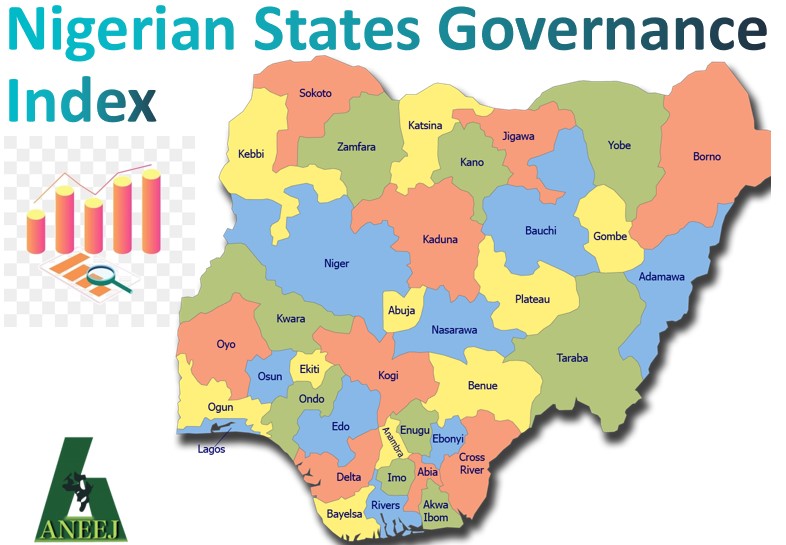
New performance index highlights governance leaders, exposes laggards ahead of 2027 political cycle
Lagos State has emerged as Nigeria’s best-performing state in the 2025 Phillips Consulting State Performance Index (pSPI), with Ogun and Kaduna securing second and third positions respectively in one of the country’s most comprehensive assessments of subnational governance.
The ranking, which evaluated all 36 states and the Federal Capital Territory, measured performance across governance effectiveness, fiscal management, public service delivery, economic competitiveness, and citizen perception.
Adamawa and Niger States completed the top five, producing a geographically diverse leadership table that cuts across Nigeria’s traditional regional divides.
The annual index combines objective governance indicators with citizen experience metrics. Seventy percent of each state’s score was derived from audited performance data, including internally generated revenue, debt sustainability, budget implementation, and investments in critical sectors such as health and education. The remaining 30 percent reflected citizens’ perceptions of service delivery, security, infrastructure, and quality of governance.
For Lagos, the top ranking marks a significant improvement from its fourth-place finish in the previous edition and reflects what analysts describe as the state’s continued dominance in revenue generation, infrastructure development, and economic management.
Ogun State’s second-place finish is particularly notable, with the state recording its strongest-ever performance in the index. The report highlighted Ogun’s expanding industrial base, strategic proximity to Lagos, growing manufacturing sector, and sustained investments in infrastructure as key drivers of its rise.
Kaduna’s placement in third position reinforces its reputation as one of Northern Nigeria’s strongest-performing states in governance and fiscal reforms.
The rankings also revealed major reversals for several states.
Gombe, which topped the index in the previous edition, dropped to eighth position, while the Federal Capital Territory, Bayelsa, and Kano recorded some of the most significant declines in the latest assessment.
The movement suggests a growing emphasis on verifiable performance data rather than perception alone, with states increasingly judged on measurable outcomes and fiscal accountability.
According to Phillips Consulting, the index is intended not merely as a ranking exercise but as a governance improvement tool capable of encouraging healthy competition among states.
“The pSPI is more than just a ranking; it is a framework for improving governance and fostering healthy competition,” the consulting firm stated.
The organisation also noted that Lagos’ rise demonstrates the importance of objective performance metrics in assessing governance outcomes.
Public affairs analyst Hamma Hayatu said the findings reinforce a simple lesson for state governments.
“If you mean well for your state and focus on genuine reforms, the state will perform very well,” he said.
With the 2027 election cycle already shaping political conversations across the country, the latest rankings are expected to become a key reference point in debates over gubernatorial performance, accountability, and development outcomes.
For governors seeking re-election, succession, or national political relevance, the index offers something increasingly rare in Nigerian politics: a data-driven measure of governance performance beyond campaign rhetoric.