
ABUJA, NIGERIA
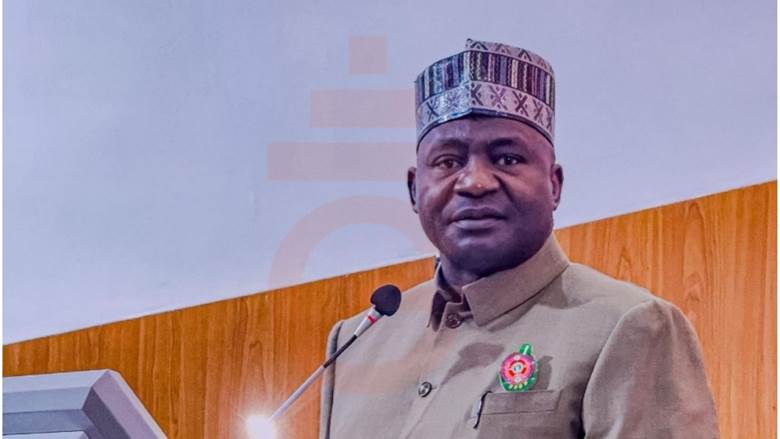
Nigeria’s Minister of Defence, Christopher Musa, says the country has made serious progress in the fight against terrorism and violent crimes, even though insecurity has not completely ended in some parts of the country.
Speaking during an interview on Arise Television on Friday, Musa said terrorist activities have reduced greatly compared to what Nigerians experienced some years ago, especially in areas that were once heavily controlled by insurgents.
According to the Defence Minister, Nigeria’s current security performance is now between 65 and 70 percent, adding that no country in the world can completely wipe out crime or terrorism.
“No country is 100 percent free from crime,” Musa said. “But if you compare the situation now to what we faced years ago, terrorism has reduced drastically.”
He admitted that kidnapping, bandit attacks, and killings still happen in some states, but insisted that the situation has improved because of ongoing military operations and better cooperation among security agencies.
Nigeria’s Fight Against Terrorism
Nigeria has spent over 10 years battling terrorism, especially in the North-East, where groups like Boko Haram and ISWAP carried out deadly attacks on villages, schools, churches, mosques, and military bases.
The crisis became worse around 2009 and affected states such as Borno, Yobe, and Adamawa, forcing millions of people to flee their homes while thousands lost their lives.
At the height of the insurgency, some local government areas reportedly fell under the control of terrorists, leading to large military operations by Nigerian troops and support from neighbouring countries around the Lake Chad region.
Although the government has announced several victories over the years — including the killing of terrorist commanders, destruction of camps, and rescue of kidnapped victims — attacks and abductions have continued in some areas.
Apart from terrorism in the North-East, Nigeria has also battled banditry in the North-West, farmer-herder clashes in the Middle Belt, separatist-related violence in parts of the South-East, and widespread kidnapping across the country.
“Quick Money” Mentality Contributing to Crime
During the interview, Musa blamed part of Nigeria’s insecurity on what he described as the growing desire among some youths to make money quickly without working for it.
According to him, many people involved in kidnapping and violent crimes are driven by the search for fast wealth instead of legitimate businesses or jobs.
The minister also said the breakdown of family values and poor moral upbringing are contributing to criminal activities in society.
Security experts have also linked insecurity to unemployment, poverty, drug abuse, poor education, and weak governance, saying these problems make it easier for criminal groups to recruit young people.
Allegations of Political Involvement
Musa further suggested that some insecurity problems may be politically motivated, claiming that certain individuals could be sponsoring violence to make the government look weak or create the impression that Nigeria is difficult to govern.
However, the Defence Minister did not mention any names or provide evidence to support the claim.
Over the years, different Nigerian governments have accused political actors of sponsoring violence, especially during election periods and times of political tension, although many of such allegations are often difficult to independently confirm.
Nigerians Still Worried About Insecurity
Despite repeated assurances from the government, many Nigerians remain concerned over continued attacks, killings, and kidnappings happening in different parts of the country.
Several communities, schools, highways, and rural areas have experienced deadly attacks in recent years, while kidnapping for ransom has become a major criminal business affecting both cities and villages.
Citizens and civil society groups have repeatedly called for stronger security reforms, improved intelligence gathering, better welfare for security personnel, and closer cooperation between federal and state authorities.
There have also been increasing calls for state police, community policing, and long-term economic solutions to address the root causes of violence and criminality.
Government Says Efforts Are Continuing
Despite the challenges, the Federal Government says military operations across the country have weakened terrorist groups and reduced attacks in many areas.
Authorities insist that efforts are ongoing to secure vulnerable communities, improve intelligence operations, and prevent terrorists and criminal gangs from regaining strength.
For many Nigerians, however, the real sign of improvement will be when people can travel, farm, work, and live freely without fear of attacks, kidnapping, or violence.