
What the New Green Tax Means for Car Owners in Nigeria FG Moves Against High-Emission Cars with New Tax Policy
What the New Green Tax Means for Car Owners in Nigeria FG Moves Against High-Emission Cars with New Tax Policy
Lagos, Nigeria
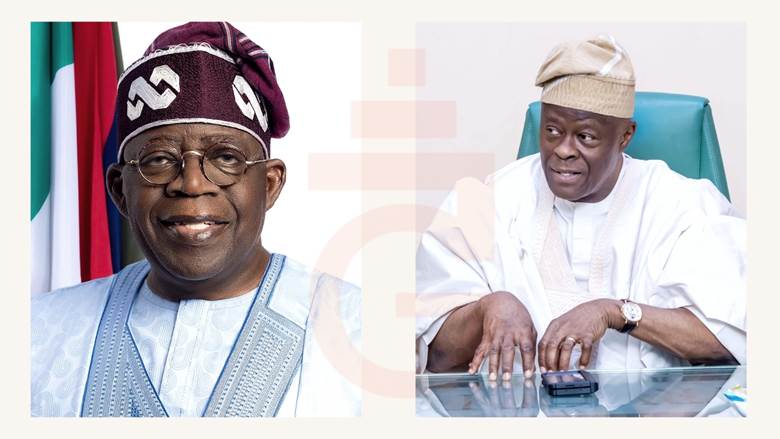
The Federal Government has announced a new “green tax” on vehicles with large engine capacities, introducing a levy of between 2% and 4% as part of its 2026 fiscal policy reforms set to begin on July 1.
The policy, approved by President Bola Ahmed Tinubu and disclosed in an official government circular seen by Reuters, is aimed at boosting revenue while promoting environmentally friendly practices in Nigeria’s transport sector.
Under the new framework, vehicles will be taxed based on engine size:
- Vehicles with engines between 2,000cc and 3,999cc will attract a 2% levy
- Vehicles with engines of 4,000cc and above will face a 4% levy
- Vehicles below 2,000cc are exempt
The government also excluded certain categories from the tax, including:
- Mass transit buses
- Electric vehicles
- Locally manufactured vehicles
According to the circular, the move is designed to encourage the use of cleaner and more efficient transport options, while also expanding government revenue.
Officials say the green tax is not a standalone measure but part of a broader overhaul of Nigeria’s fiscal system.
The policy comes alongside:
- Revised import tariffs
- Adjustments to excise duties
- Adoption of the ECOWAS Common External Tariff
Finance Minister Wale Edun stated that the new measures will replace the 2023 fiscal policy framework and will be formally published in the official government gazette.
To ease the transition, the government has introduced a 90-day grace period. This allows importers, manufacturers, and other stakeholders time to adjust before full enforcement begins.
The government says the green tax is part of a long-term plan to modernise Nigeria’s tax system and align it with environmental goals.
According to details in the Reuters report, the policy is aimed at:
- Encouraging reduced use of high-emission vehicles
- Promoting cleaner alternatives like electric cars
- Strengthening non-oil revenue generation
The introduction of the green tax follows earlier steps by the Tinubu administration to reform Nigeria’s tax structure.
In October 2023, the government first signalled plans to introduce a surcharge on imported vehicles as part of efforts to expand the tax base.
That same year, President Tinubu suspended:
- A 5% excise duty on telecommunications
- Import tax adjustment levies on certain vehicles
Those decisions were aimed at reducing pressure on businesses and curbing multiple taxation, while laying the foundation for a more structured fiscal system.
The green tax also builds on more recent policy actions.
In June 2025, President Tinubu signed four major tax reform laws targeted at improving tax administration and compliance across the country.
By March 2026, the government had also introduced presumptive tax rules focused on Micro, Small and Medium Enterprises (MSMEs), in a bid to improve revenue collection from the informal sector.
Together, these measures reflect a broader strategy to reduce Nigeria’s dependence on oil revenue and create a more sustainable fiscal framework.
With implementation set for July 1, the new green tax signals a shift in how Nigeria approaches both taxation and environmental policy.
While the immediate impact will be felt by importers and owners of high-engine vehicles, the policy also points to a longer-term push toward cleaner energy use and a more diversified revenue base.