
Lagos, Nigeria
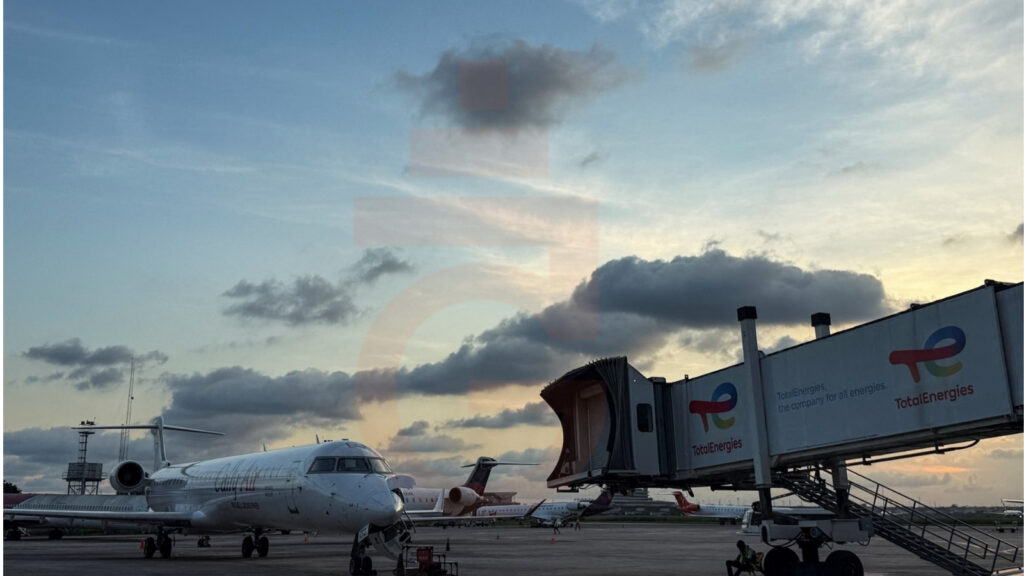
Nigerian airlines have warned they may suspend all flight operations from April 20 if the rising cost of jet fuel is not addressed, raising fresh concerns about disruption in the country’s aviation sector. The warning was issued in Lagos on April 16 by the Airline Operators of Nigeria (AON), who accused fuel marketers of artificially inflating prices beyond sustainable levels.
The Airline Operators of Nigeria (AON), which represents about a dozen mostly domestic carriers, formally wrote to the Major Energies Marketers Association of Nigeria (MEMAN) on April 14, expressing deep concern over the sharp increase in jet fuel prices.
According to the letter seen by Reuters, airlines say the price of aviation fuel has surged by about 270 percent since late February. The group described the increase as both “astronomical and artificial,” arguing that it does not reflect global crude oil price trends.
“Currently, airline revenues are insufficient to cover the cost of fuel alone,” the letter stated, highlighting the severity of the crisis facing operators.
Jet fuel, also known as aviation turbine fuel, is a major cost driver for airlines. Industry data shows it accounts for between 30 to 40 percent of operating costs for African carriers—significantly higher than the global average of 20 to 25 percent.
The surge in prices comes amid broader global aviation challenges linked to geopolitical tensions, including the ongoing Iran war, which has pushed up energy costs worldwide. Airlines across regions have been forced to increase ticket fares, cut expansion plans, and review financial forecasts.
However, Nigerian operators warn that simply increasing ticket prices may not be a viable solution locally, as higher fares could reduce passenger demand in an already price-sensitive market.
They also cautioned that a total shutdown of airline operations would have far-reaching consequences. These include potential job losses, financial strain on banks linked to aviation financing, and heightened security risks due to reduced mobility across the country.
In response, MEMAN disputed the figures presented by the airlines. In its reply, the association argued that the quoted jet fuel price was more than 40 percent higher than the market average based on its surveys.
MEMAN also noted that jet fuel supply involves specialised logistics, infrastructure, and handling processes, which contribute to higher operational costs compared to other petroleum products.
Data from Nigeria’s petroleum products regulator shows that the country consumed about 2.1 million litres of jet fuel daily in the past month, underlining the scale of demand within the aviation sector.
At the same time, the Dangote Petroleum Refinery, currently Nigeria’s only domestic producer of jet fuel, reportedly made no deliveries to the local market in March.
Separate data from tanker-tracking firm Kpler indicated that Nigeria’s exports of refined petroleum products—including gasoline, diesel, kerosene, and jet fuel—more than doubled month-on-month during the same period.
The refinery has not responded to requests for comment on the development.
Nigeria’s aviation sector has faced repeated cost pressures in recent years, including fluctuating exchange rates, high maintenance costs, and limited access to foreign exchange for aircraft servicing.
Fuel pricing remains one of the most critical factors affecting airline sustainability, often determining ticket prices, route availability, and operational stability.
With the April 20 deadline fast approaching, attention is now on ongoing discussions between airlines, fuel marketers, and regulators. The outcome will likely determine whether Nigeria’s aviation sector faces a major disruption or finds a short-term path to stability.