
Abuja
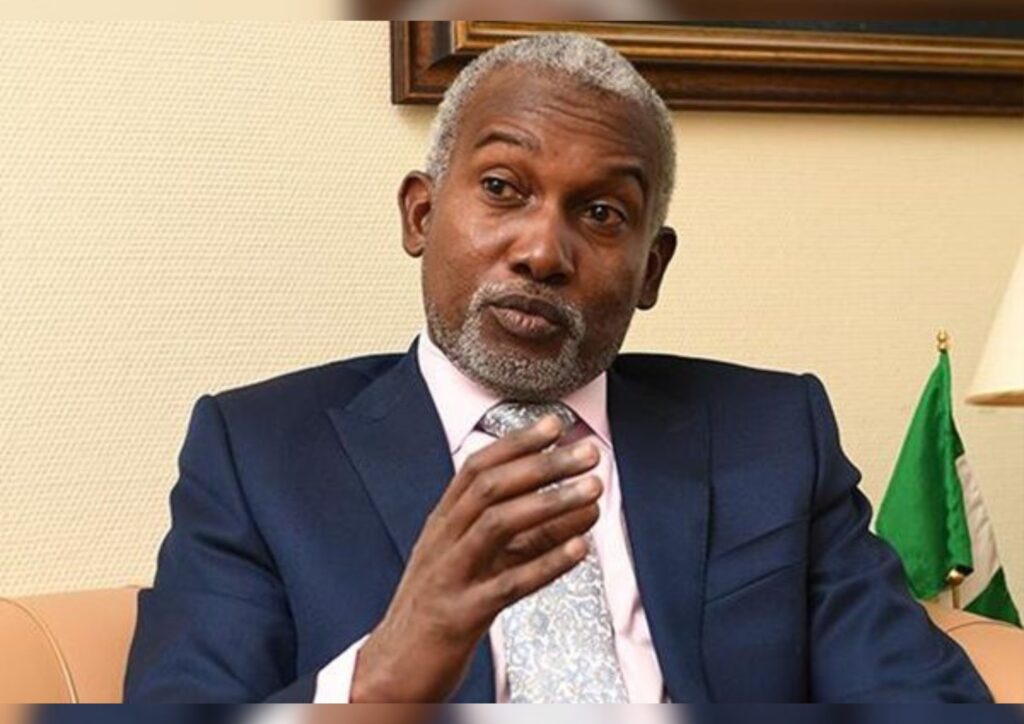
The Federal Government has called for calm and urgent de-escalation in the Gulf region following rising tensions involving the United States, Israel and Iran, warning that further hostilities could threaten both regional and global stability.
Nigeria’s position was outlined by the Minister of Foreign Affairs, Yusuf Tuggar, in an official statement released on Sunday through the Ministry’s spokesperson, Kimiebi Ebienfa.
The statement reflects Abuja’s growing concern over the rapidly deteriorating security situation in the Middle East and its potential ripple effects across international markets, diplomacy and humanitarian conditions.
According to the Foreign Minister, Nigeria is deeply troubled by the escalating confrontation and the possibility that the crisis could spiral into a broader regional conflict with far-reaching consequences.
“Nigeria calls on all parties to exercise maximum restraint and refrain from actions that could intensify hostilities,” Tuggar said. “We urge all sides to prioritise dialogue over confrontation.”
The appeal comes at a time of heightened rhetoric and military activity in the Gulf region, with global powers exchanging warnings and accusations. Abuja’s message aligns with growing international calls for diplomatic engagement rather than further escalation.
Central to Nigeria’s position is a firm insistence on respect for international law.
Tuggar stressed the importance of strict adherence to the provisions of the United Nations Charter and the Geneva Conventions, particularly regarding sovereignty, territorial integrity and the peaceful settlement of disputes.
He emphasised that the use of lethal force must be carefully restrained to prevent additional civilian casualties and avoid undermining established international legal norms.
“The preservation of the existing legal architecture that regulates and limits the use of force remains essential to the protection of victims, safeguarding of civilian populations and maintenance of international order,” he said.
Diplomatic observers note that Nigeria’s reference to global legal frameworks underscores its longstanding commitment to multilateralism and rules-based international engagement.
Nigeria has historically positioned itself as a strong advocate of non-alignment, mediation and multilateral cooperation in international affairs. From peacekeeping missions across Africa to active participation at the United Nations, Abuja has often projected itself as a stabilising voice in times of crisis.
Tuggar reiterated that Nigeria supports renewed diplomatic efforts within recognised international and regional frameworks to resolve the dispute.
He welcomed initiatives centred on confidence-building measures, mediation and structured dialogue, encouraging all stakeholders to pursue peaceful resolution in the interest of collective security and shared prosperity.
Analysts say Nigeria’s statement reflects both principled diplomacy and pragmatic concern. Escalation in the Gulf region could have significant economic implications, particularly for global oil markets — an area of direct relevance to Nigeria as one of Africa’s largest oil producers.
Beyond geopolitical tensions, the crisis carries broader economic and humanitarian risks. Prolonged instability in the Gulf could disrupt global supply chains, affect energy prices and deepen uncertainty in financial markets.
For Nigeria, fluctuations in oil prices and shipping routes have direct implications for national revenue and economic planning. Higher global energy costs could boost short-term earnings but also increase volatility and inflationary pressures.
Diplomatic experts argue that Nigeria’s intervention, though measured, signals awareness that the consequences of Middle Eastern instability extend far beyond the region itself.
In closing, Tuggar reaffirmed Nigeria’s solidarity with the international community in calling for restraint.
He maintained that sustainable peace can only be achieved through diplomacy, mutual respect, and faithful adherence to international law.
As tensions continue to evolve, Nigeria’s position adds to a chorus of global appeals urging dialogue over confrontation — a reminder that in an interconnected world, regional conflicts rarely remain confined to one geography.
For now, Abuja’s message is clear: de-escalation, diplomacy and respect for international norms remain the only viable path to preventing a wider crisis.