
Abuja
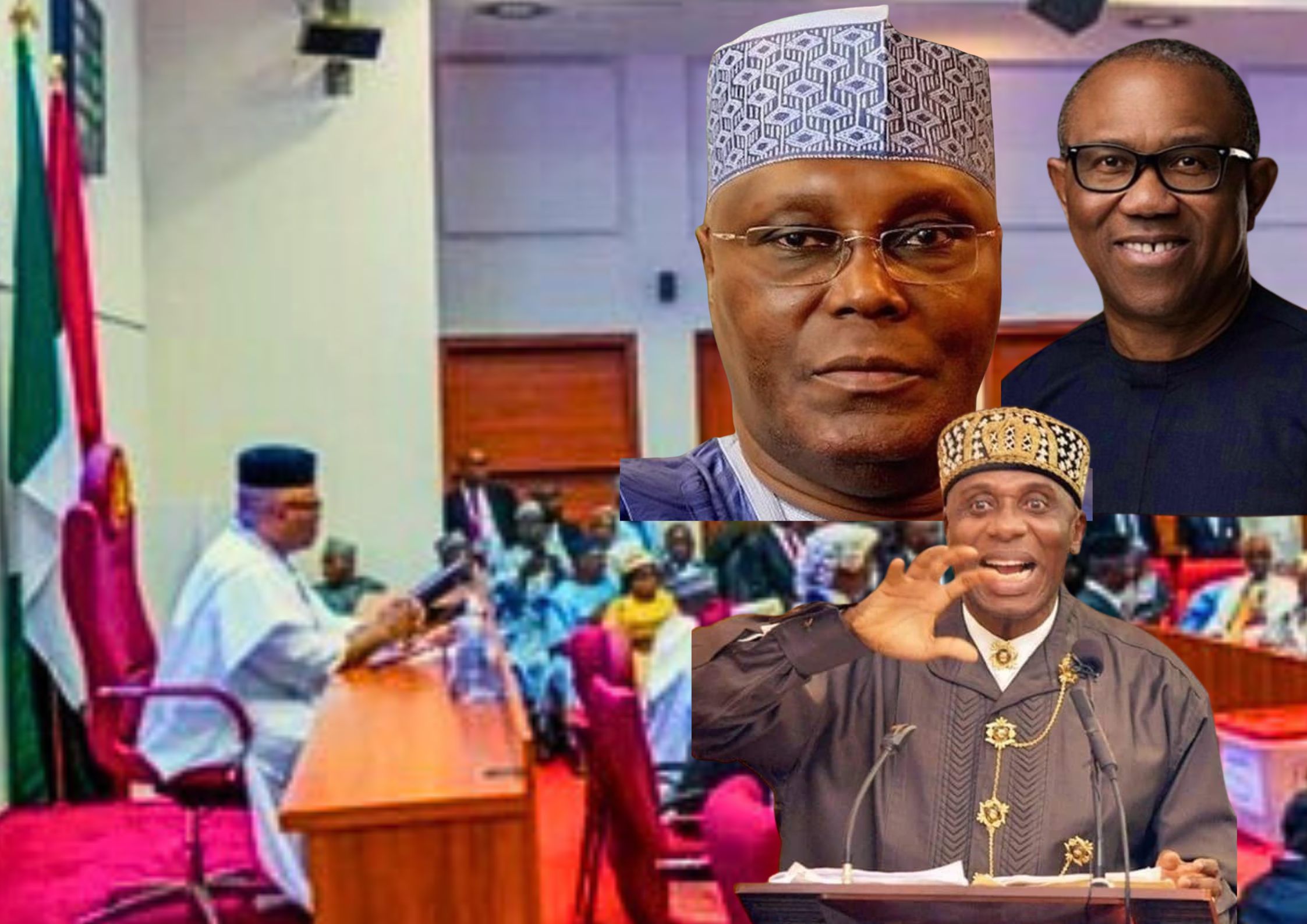
Nigeria’s Senate has turned down calls from opposition leaders including Atiku Abubakar, Peter Obi, and Rotimi Amaechi to quickly change the freshly signed Electoral Act 2026, saying they should raise issues through lawmakers instead of public pressure.
The rejection came on Thursday as leaders from African Democratic Congress and New Nigeria Peoples Party demanded urgent fixes to what they call anti-democratic rules in the law, signed by President Bola Tinubu on February 18. They worry it favours the ruling All Progressives Congress ahead of the 2027 elections.
At a press conference in Abuja, NNPP National Chairman Ajuji Ahmed led the charge. He slammed new limits on party primaries, which now allow only direct primaries by all members or consensus by leaders—no more indirect primaries with delegates, as in the 2022 Act.
Ahmed said shorter campaign times, tighter primary deadlines, and INEC funding released just six months before polls (down from 12) will hurt fair play. He targeted Section 60(3), which gives presiding officers leeway if networks fail during result uploads to INEC’s IREV portal.
“We state unequivocally that the new Electoral Act is anti-democratic, and its implementation will undermine electoral transparency,” Ahmed read from a prepared statement. He cited ex-INEC boss Mahmud Yakubu and commissioner Festus Okoye, who said BVAS machines worked over 90% offline in 2023, and every polling unit now has internet.
Backed by Nigerian Communications Commission data—95% 2G coverage, 159 million internet users, 220 million phone lines—Ahmed called network failure excuses a “fraudulent” plot to rig votes. He noted ordinary Nigerians send money from remote villages daily, proving networks work.
On primaries, he argued parties should pick their own methods freely, without National Assembly meddling via Section 84 changes or Constitution Section 228(b).
Amaechi, ex-APC presidential hopeful, blamed opposition disunity more than Tinubu, recalling how past governments blocked reforms with hacking fears.
Obi decried poverty jumping from 87 million to 140 million people—the world’s highest—plus killings in Zamfara and Adamawa, empty factories, and farmer woes from cheap imports despite record borrowing since 1999.
Atiku warned a Nigerian democracy collapse would hit Africa hard, urging all opposition to unite like in 2014, but smarter this time against worse insecurity and economy.
They demanded National Assembly scrap “obnoxious” parts for transparent 2027 polls, and urged judiciary reform to stop being a “tool against democracy.”
Senate spokesman Yemi Adaramodu brushed off the push: “Electoral Act again? Do you abort a pregnancy after the naming ceremony?” He said opposition should send proposals via their lawmakers.
Senator Orji Uzor Kalu, Senate Committee on South-East Development Chairman, insisted only the National Assembly can amend a signed law. He warned against “inflammatory rhetoric” that heats up the country: “If they are not comfortable, contest in 2027 and defeat Mr President.”
The clash highlights early battles over election rules, with opposition eyeing transparency and Senate stressing proper channels. As 2027 nears, this debate will test Nigeria’s political unity and voter trust.