
Abuja
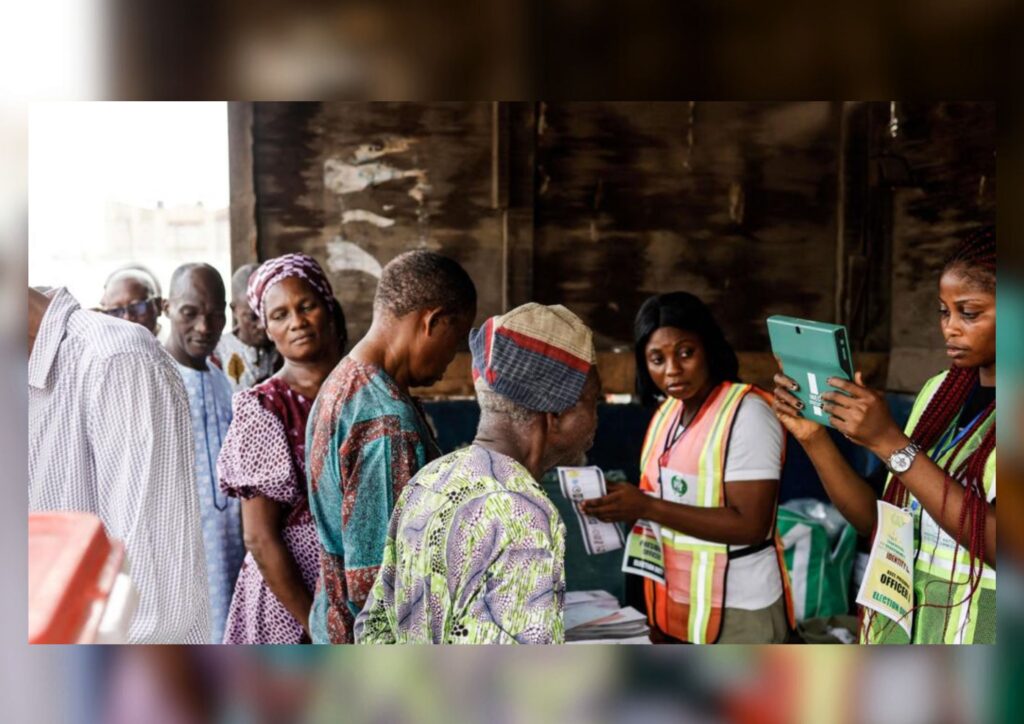
The Independent National Electoral Commission (INEC) has officially released a detailed timetable and key dates for Nigeria’s 2027 general elections, providing clarity to political parties, candidates, and voters as the nation prepares for its next democratic milestone.
Speaking at a press briefing in Abuja on Friday, INEC Chairman Joash Amupitan dismissed earlier reports suggesting the timetable had already been issued, emphasising that the commission acted strictly within the provisions of the 1999 Constitution and the Electoral Act 2022 (as amended). He said the early announcement was intended to improve electoral planning, foster transparency, and boost public confidence in the process.
According to the timetable, the general elections will be held in a staggered manner to ensure operational efficiency and security:
- Presidential & National Assembly elections: Saturday, February 20, 2027
- Governorship & State House of Assembly elections: Saturday, March 6, 2027
- Continuous Voter Registration (CVR): April 2026 – January 2027
- Party Primaries: July 1 – September 30, 2026
- Submission of Candidates’ Lists: October 1 – October 31, 2026
- Publication of Final List of Candidates: November 15, 2026
- Campaign Periods (Presidential/National Assembly): November 18, 2026 – February 19, 2027
- Campaign Periods (Governorship/State Assembly): December 15, 2026 – March 5, 2027
Amupitan noted that the staggered schedule follows Nigeria’s established electoral pattern, allowing for improved logistics, security coordination, and personnel deployment across the country’s 774 local government areas.
The release of the timetable coincides with ongoing work at the National Assembly on the Electoral Act Amendment Bill, particularly provisions relating to electronic transmission of results — a reform highlighted by controversies in the 2023 elections.
A joint conference committee of the Senate and House of Representatives is currently tasked with harmonising differences in the bill, especially clauses that regulate how the Independent National Electoral Commission will transmit and collate results. The amendment process has attracted heightened public scrutiny, as Nigerians demand robust mechanisms to prevent delays, manipulation, and technical failures.
Notably, the Senate’s version of the bill reduced INEC’s official notice-of-election period from 360 days to 180 days. Lawmakers have argued that this adjustment reflects practical realities and allows sufficient time for preparations while aligning with modern election management practices.

With less than two years to go, the early release of the timetable effectively sets the clock ticking for Nigeria’s political actors. Parties are expected to schedule congresses, primaries, and internal consultations in line with INEC’s timeline, while prospective candidates will likely ramp up grassroots mobilisation, coalition-building, and policy articulation.
Observers note that early clarity could also mitigate internal party disputes and litigation, which have previously disrupted election preparations. Political analysts suggest that parties that fail to adapt to the timeline may risk exclusion or delay in candidate certification, highlighting the practical importance of the timetable beyond mere formality.
INEC has reassured Nigerians of its commitment to conducting free, fair, and credible elections, emphasising that preparations will be guided by transparency, technology deployment, and strict adherence to the law.
Recent enhancements to electoral technology, including the upgraded Bimodal Voter Accreditation System (BVAS) and the Result Viewing Portal (IReV), are expected to play a key role in improving result collation and verification. These systems aim to reduce delays, prevent multiple voting, and ensure timely transmission of results from polling units across the country.
However, challenges remain. Analysts warn that infrastructure gaps, inconsistent internet connectivity in rural areas, and human resource limitations could complicate nationwide deployment. Experts advocate for contingency planning, alternative transmission channels, and robust monitoring mechanisms to prevent disruptions on election day.
The announcement of the 2027 election timetable provides a critical roadmap for all stakeholders in Nigeria’s democracy. While dates are now fixed, the true test lies in execution: the ability of INEC, political parties, security agencies, and civil society to translate early planning into smooth, credible, and transparent elections.
As 2027 approaches, public attention will increasingly shift from “when” to “how” — how Nigeria’s institutions can deliver credible results, how technology will function under real-world conditions, and how voters’ trust can be safeguarded.
For citizens, the message is clear: preparation begins now. From updating voter registration to strategic campaign planning, every political and civic actor must align with the official timetable to ensure that the 2027 elections strengthen, rather than strain, Nigeria’s democratic fabric.
INEC has pledged that further operational details, including deadlines for candidate verification, campaign monitoring, and final election-day procedures, will be communicated as the process advances.