
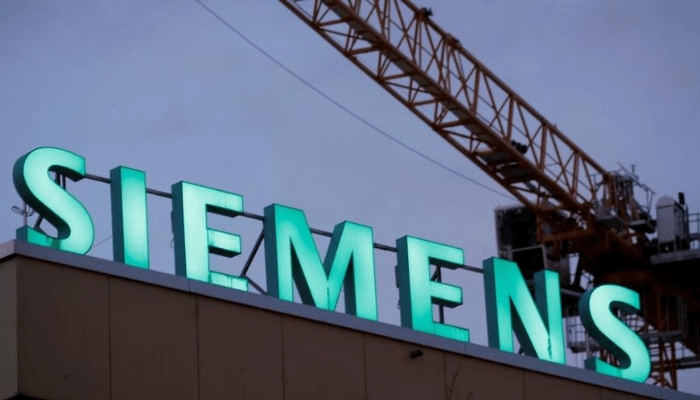
The Federal Government of Nigeria has revived the stalled Siemens power project under its Presidential Power Initiative (PPI), moving to expand generation and transmission capacity while also deepening international cooperation on energy infrastructure.
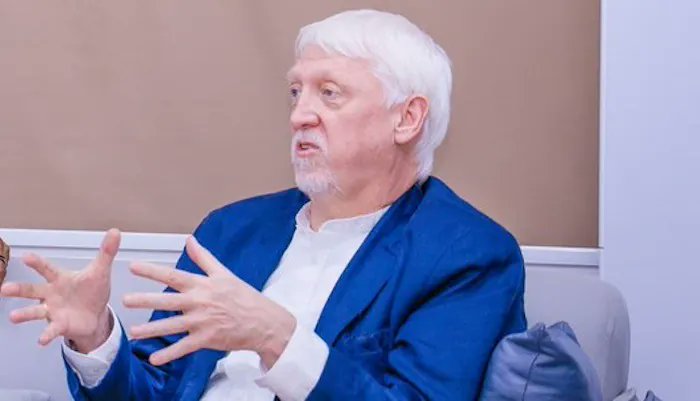
The renewed momentum was underscored on Wednesday when Johannes Lenhe, Deputy Head of Mission of SAIPEC (the Saudi–African Investment & Partnership Economic Council), reaffirmed support for energy collaboration during a meeting with Nigerian officials. Lenhe’s engagement signals growing interest from Gulf-region stakeholders in Nigeria’s power and industrial sectors as the PPI gains traction.
Project Revival After Previous Delays
The Siemens deal — a $2.3 billion agreement with Siemens Energy — was originally signed during the administration of former President Muhammadu Buhari, but implementation stalled for several years amid fiscal constraints and regulatory bottlenecks.
Under President Bola Ahmed Tinubu’s government, the initiative has been revived with a clearer implementation roadmap and renewed political backing.
The PPI framework envisages a phased overhaul of Nigeria’s electricity system:
Phase One targets the addition of approximately 7,000 megawatts (MW) of generation capacity to the national grid. Phase Two focuses on critical transmission upgrades to evacuate additional power and reduce system losses. The Federal Government has directed the expansion of the programme to include a third phase, aimed at strengthening distribution networks and improving system resilience.
Regional and International Engagement
Johannes Lenhe’s participation in discussions highlights increasing foreign interest in supporting Nigeria’s energy transition. SAIPEC’s engagement aligns with broader initiatives by Middle Eastern and African partners seeking investment opportunities in critical infrastructure, including electricity, transportation and industrial corridors.
Energy officials in Abuja said Lenhe’s visit focused on investment linkages, financing frameworks and potential technical cooperation that could complement Siemens’ work in generation and grid expansion.
New Infrastructure and Local Gains
The FGN Power Company, the special purpose vehicle implementing the PPI, recently inaugurated a 63 MVA mobile substation in Ibadan, Oyo State, designed to boost local transmission capacity and improve electricity supply for residents and businesses. Officials view such installations as important interim gains while major capacity additions progress.
Government Priorities and Policy Signals
President Tinubu and senior energy policymakers have consistently framed reliable electricity supply as a cornerstone of economic growth and industrialisation. The revival of the Siemens project reinforces the government’s long-term strategy of attracting private and international investment into the sector, improving Nigeria’s infrastructure, and reducing dependence on costly self-generation.
“Infrastructure gaps in power have constrained growth for too long,” a senior government official said. “With stronger partnerships, clearer implementation plans, and political will, we are turning policy into measurable progress.”
Market and Reform Context
While the renewed push is widely welcomed by investors, energy analysts stress that achieving meaningful gains will require complementary reforms — including tariff rationalisation, improved commercial frameworks for distribution companies, and enhanced grid governance.
The PPI’s success is also linked to Nigeria’s ability to maintain policy consistency, deepen public-private engagement, and attract long-term capital from diversified sources, including development finance institutions and strategic partners.
Looking Ahead
Long-term targets of the broader energy strategy — including phased increases to 11,000 MW and ambitions toward 25,000 MW — remain dependent on sustained funding, project execution capacity and regulatory stability.
Barring delays, further details on financing arrangements, implementation timelines and partnership frameworks are expected in the coming months.