
Abuja
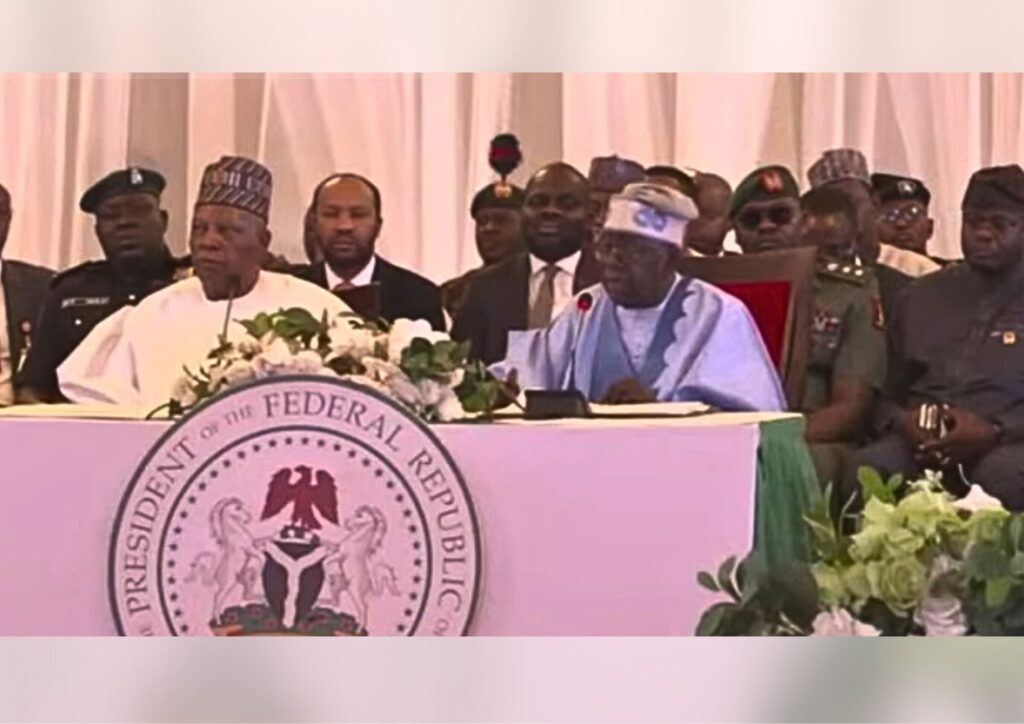
President Bola Ahmed Tinubu and Vice President Kashim Shettima on Wednesday led a high-level conference of the National Economic Council (NEC) focused on Inclusive Growth and Sustainable National Development, as Nigeria’s political and economic leadership intensifies efforts to stabilise the economy and broaden the impact of ongoing reforms.
The conference, held at the Banquet Hall of the State House, Abuja, brought together governors, senior federal officials, economic policymakers and representatives of state governments to deliberate on strategies aimed at strengthening the economy, improving coordination across tiers of government, and ensuring that growth translates into tangible benefits for ordinary Nigerians.
Chaired by Vice President Shettima, the NEC is constitutionally mandated to advise the President on economic affairs of the federation, particularly on issues affecting states and local governments. Its interventions often shape fiscal coordination, revenue sharing, development planning and the implementation of national economic reforms.
The NEC conference comes at a critical moment for Nigeria, as the country grapples with the combined pressures of high inflation, rising living costs, unemployment concerns and the social impact of far-reaching economic reforms introduced by the Tinubu administration.
Since assuming office, President Tinubu has pursued policies aimed at restructuring Nigeria’s economy, including fuel subsidy removal, foreign exchange reforms and efforts to improve revenue mobilisation. While government officials argue that the measures are necessary to correct long-standing structural distortions, the reforms have also triggered short-term economic pain, particularly for low-income households and small businesses.
Against this backdrop, the NEC conference is expected to focus not only on macroeconomic stability, but also on how growth can be made more inclusive — ensuring that states, local governments, rural communities and vulnerable groups are not left behind.
President Tinubu and Vice President Shettima are leading discussions at the conference, which is examining pathways to inclusive economic growth, improved policy coordination, and long-term national development planning.
Senior officials say the gathering is designed to align federal and state strategies on economic recovery, job creation and sustainable development, recognising that many of the challenges facing Nigerians — from food security to infrastructure gaps — require coordinated action across all levels of government.
Participants at the conference include state governors who are key actors in economic implementation, given their responsibility for sub-national budgeting, infrastructure development and social services. Economic advisers and senior technocrats are also contributing to discussions on development financing and fiscal sustainability.
Inclusive growth has emerged as a central theme of the Tinubu administration’s economic messaging, reflecting concerns that past periods of growth in Nigeria failed to significantly reduce poverty or inequality.
At the NEC conference, policymakers are expected to examine how economic expansion can translate into improved livelihoods, particularly through job creation, support for small and medium-scale enterprises, agricultural productivity and targeted social interventions.
There is also growing recognition within government circles that economic reforms must be accompanied by measures that protect the most vulnerable, especially as inflation continues to erode purchasing power.
Another major focus of the NEC meeting is policy coordination between the federal government and the states. Analysts note that Nigeria’s federal structure makes cooperation essential, particularly in areas such as taxation, infrastructure development, education, healthcare and internal security — all of which have economic implications.
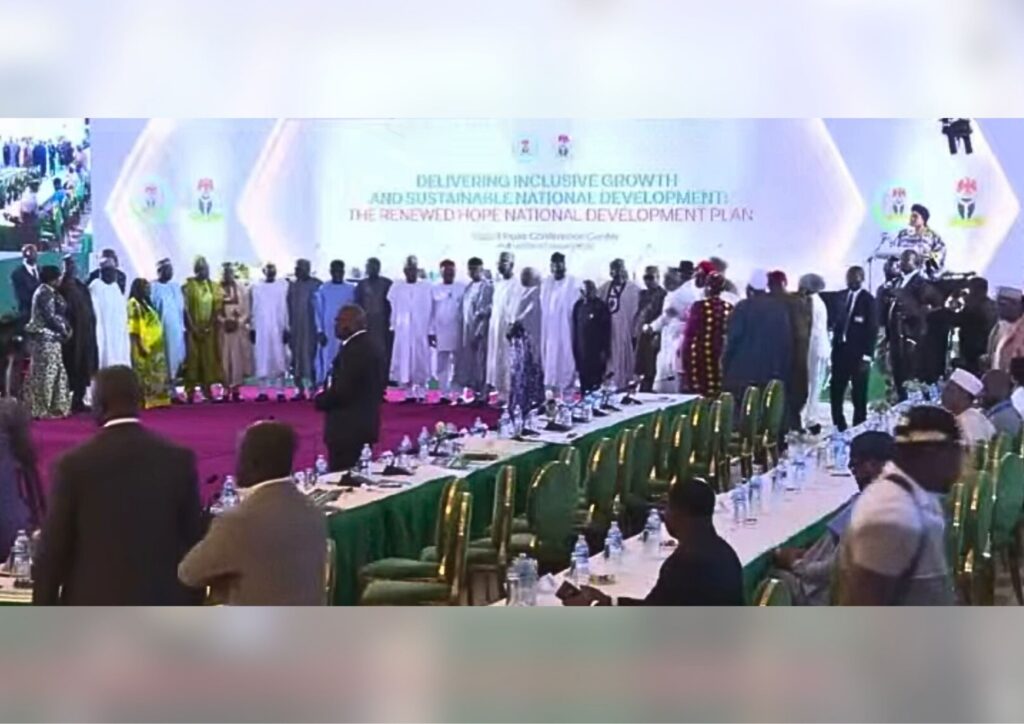
The NEC provides a platform for aligning priorities, resolving policy inconsistencies and sharing best practices among states facing similar economic pressures.
Officials familiar with the conference say discussions are expected to address development planning frameworks that ensure states are not merely recipients of federal policies, but active partners in shaping and implementing growth strategies.
While full details of deliberations were still emerging as of the time of filing this report, outcomes from the NEC conference are expected to influence future policy directions on economic inclusion, development financing and long-term growth planning.
For the Tinubu administration, the conference represents another step in its effort to frame economic reforms not just as fiscal adjustments, but as part of a broader vision for sustainable national development.
As proceedings continue at the State House Banquet Hall, attention will remain on how the ideas discussed at the NEC translate into concrete policies capable of easing economic hardship and restoring public confidence.
TMN will continue to monitor the conference and provide updates as more details emerge.