
Abuja
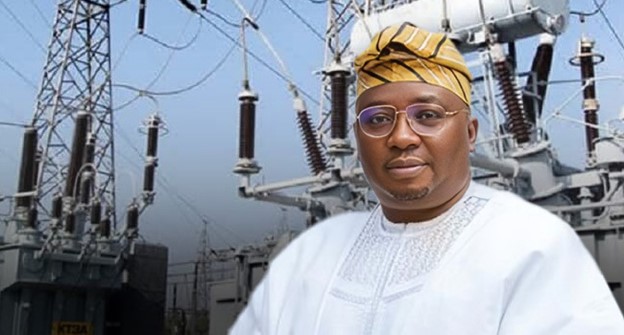
The Socio-Economic Rights and Accountability Project (SERAP) has filed a lawsuit against the Minister of Power, Adebayo Adelabu, and the Nigerian Bulk Electricity Trading Plc (NBET) over the alleged disappearance or mismanagement of ₦128 billion in public funds. The case, filed last Friday at the Federal High Court in Abuja under FHC/ABJ/CS/143/2026, seeks to compel the minister and NBET to disclose the details of the missing money, including the names of officials involved in authorising or handling the funds.
SERAP’s Deputy Director, Kolawole Oluwadare, said corruption in the power sector continues to penalise ordinary Nigerians, citing frequent grid collapses and the first nationwide blackout of 2026. He stressed that the missing funds, identified in the Auditor-General’s 2022 report, reflect a broader pattern of mismanagement and a failure of accountability.
According to SERAP, the alleged missing funds include:
- Over ₦4.4 billion transferred to the Mambilla, Zungeru, and Kashimbilla project accounts, with no evidence of how the money was spent.
- Over ₦95 billion paid to contractors for various projects without documentation or proof that the work was executed.
“Ordinary Nigerians continue to pay the price for corruption in the electricity sector—staying in darkness, yet being made to pay inflated electricity bills,” Oluwadare said.
SERAP argues that recovering these funds could reduce corruption, improve electricity supply, and prevent persistent transmission breakdowns across the country.
Minister Adelabu, who assumed office in August 2023, responded through his media aide, Bolaji Tunji, insisting that the allegations relate to the 2022 financial year, prior to his appointment.
“While the Honourable Minister supports investigations into legacy issues, the report cited by SERAP has no bearing on the operations or financial activities of the Ministry under his watch,” Tunji said.
The statement highlighted Adelabu’s record of probity, transparency, and strict adherence to due process in both the public and private sectors. It added that he would fully cooperate with any legitimate investigation addressing the legacy issues while remaining focused on delivering stable electricity to Nigerians.
SERAP’s legal action references findings from the Auditor-General’s 2022 report, which flagged significant anomalies in the management of power sector funds. The report questioned transfers of billions to project accounts and payments to contractors without supporting documentation.
Specifically, the report noted:
- ₦4.4 billion transferred to Mambilla, Zungeru, and Kashimbilla projects without evidence of disbursement or utilisation.
- ₦95 billion paid to contractors without proof that the projects existed or were completed.
For SERAP, this case is not only about missing money but also about enforcing transparency and accountability in a sector that directly affects the livelihoods of millions of Nigerians.
Nigeria’s power sector has long been plagued by poor management, frequent grid collapses, and allegations of financial impropriety. Despite ongoing reforms, Nigerians continue to experience power outages, high tariffs, and weak service delivery.
SERAP’s lawsuit underscores public frustration and signals growing demands for accountability in governance. Legal experts note that the case could set a precedent for future investigations into systemic corruption in government agencies.
While Minister Adelabu maintains that the alleged mismanagement predates his administration, the lawsuit is expected to test the government’s resolve in addressing legacy corruption in the electricity sector. Observers say the outcome will have implications for investor confidence, public trust, and the credibility of ongoing reforms aimed at stabilising Nigeria’s electricity supply.
As the case proceeds, attention will focus on:
- How the court interprets the timeline and responsibility for the alleged missing funds.
- The cooperation of NBET and other power sector stakeholders in providing documentation.
- Whether the lawsuit will trigger broader investigations into the power sector’s financial governance.
For now, Nigerians watch closely, frustrated by repeated power failures and wary of unaccounted billions meant to improve electricity infrastructure. The SERAP case may provide a rare opportunity to hold officials accountable, resolve lingering questions about missing public funds, and restore confidence in a sector vital to the nation’s economic growth.