
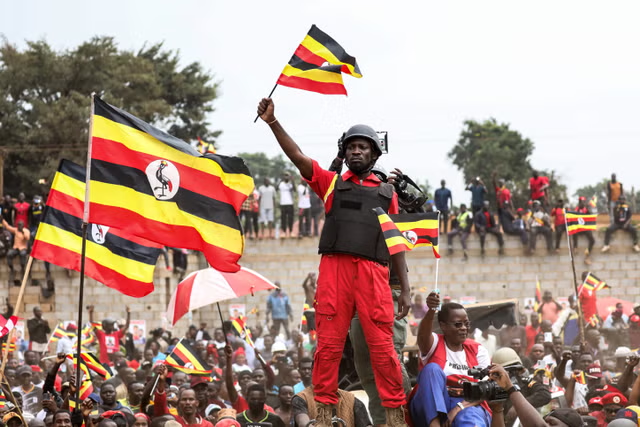
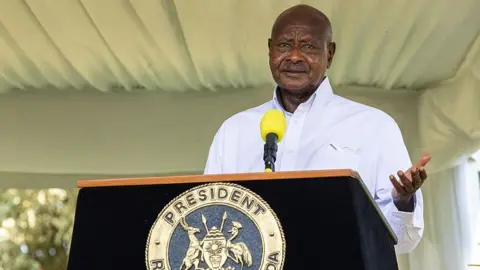
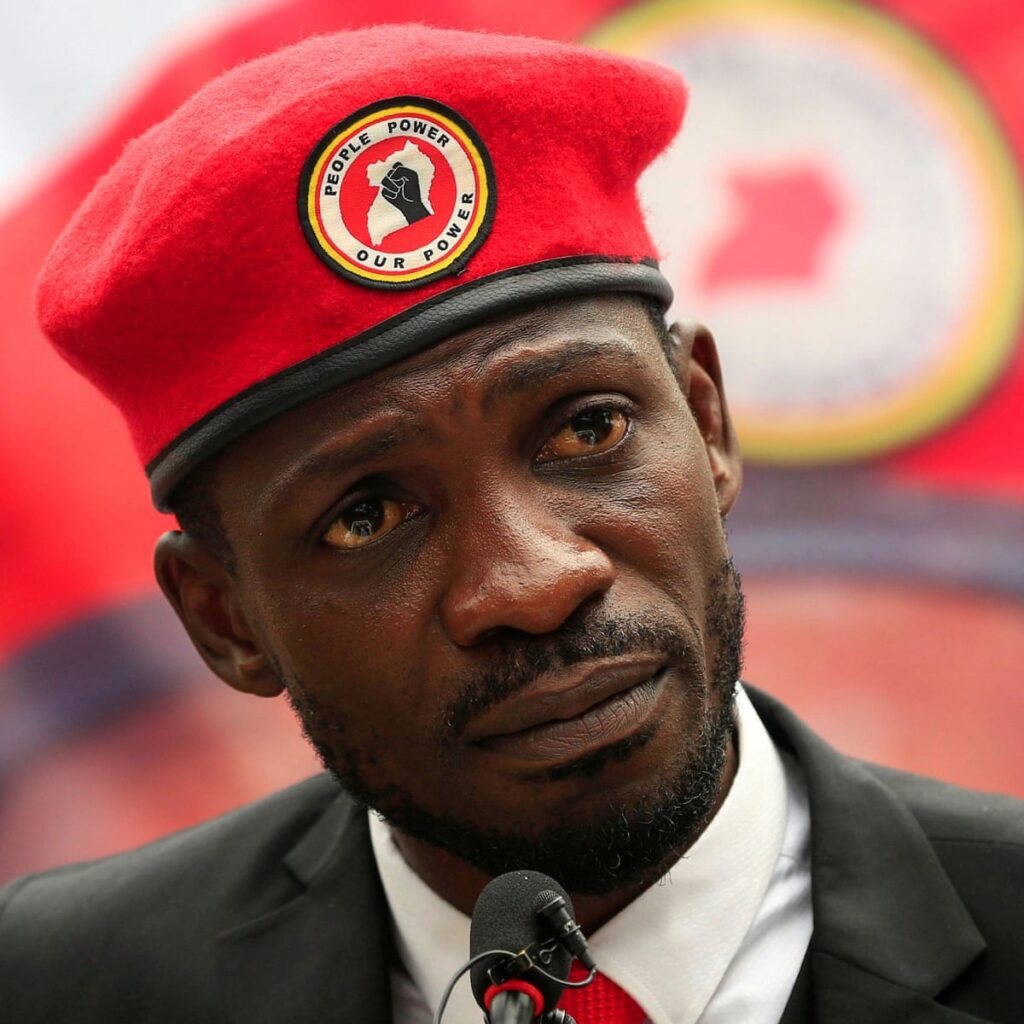
Kampala, Uganda – President Yoweri Museveni has won a seventh term in office, securing 71.65% of the vote, according to the Electoral Commission. His main challenger, Bobi Wine (Robert Kyagulanyi), received 24.72%, based on official results.
The election, held on January 15, was marked by a nationwide internet blackout, technical delays at polling stations, and allegations of intimidation. Many voters in urban areas faced long waits due to malfunctioning biometric voter verification machines and late delivery of ballots. Authorities reverted to manual registers where technology failed. Voter turnout stood at 52%, the lowest since Uganda’s return to multi-party politics in 2006.
Wine has rejected the results, calling them “fake” and urging Ugandans to peacefully protest until what he describes as the “rightful results” are announced. He alleged that security forces had abducted his polling agents and that he had to leave his home under threat, though police maintain he is not under arrest and that security measures around his residence were for his protection.
The campaign and election period were marred by violence. Reports indicate that at least seven opposition supporters were killed in Butambala, 55km southwest of Kampala, though accounts differ between opposition sources and police. The United Nations Human Rights Office had previously warned that the election could be characterized by “widespread repression and intimidation.”
Museveni, 81, has ruled Uganda since 1986 and has benefited from constitutional amendments removing age and term limits. He presents himself as the guarantor of stability and progress, while Wine, 43, has campaigned on reform, anti-corruption, and appealing to the country’s youthful population, where the majority of citizens are under 30.
Despite the internet shutdown, which disrupted independent verification of claims and business activities, the Electoral Commission confirmed that vote counting continued via a secure private system. Final results are scheduled to be formally announced within 48 hours.
The election is widely viewed as a test of Uganda’s political institutions, the resilience of its opposition, and the country’s democratic processes. International and local observers continue to monitor the situation as tensions remain high.