
Port Harcourt
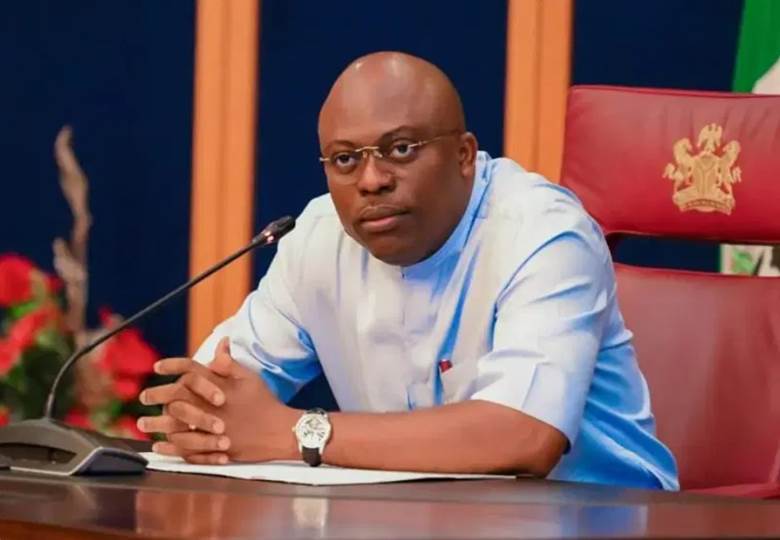
The Rivers State House of Assembly has commenced a new impeachment process against Governor Siminalayi Fubara and his deputy, Professor Ngozi Odu, marking the third such move since 2023. Lawmakers cite allegations of gross misconduct, a development that has renewed political tension in one of Nigeria’s most economically and politically significant states.
The impeachment notice was raised during a plenary session presided over by Speaker Martins Amaewhule, with 26 lawmakers endorsing the allegations. The claims include failure to present the 2026 Appropriation Bill, alleged unauthorised expenditure, non-payment of Assembly staff salaries, failure to screen certain appointments, and the demolition of the Assembly complex.
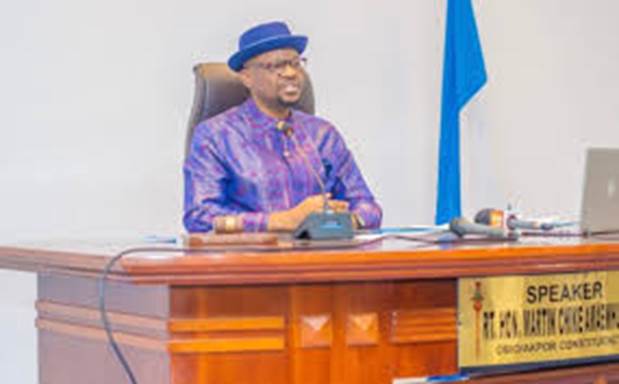
Speaker Amaewhule said the Assembly considers the non-presentation of a budget a serious governance breach and confirmed that the notice of impeachment would be formally served on the governor and his deputy within seven days, in line with constitutional procedure. He added that any subsequent submission of budget documents would not halt the ongoing process once initiated.
Political Reactions and Party Positions
Reactions to the impeachment move have varied across party lines. A faction of the Peoples Democratic Party (PDP) aligned with former Rivers governor and current Minister of the Federal Capital Territory, Nyesom Wike, has defended the Assembly’s actions, describing impeachment as a constitutional mechanism rather than a partisan issue.
However, the PDP National Working Committee has adopted a cautious approach, stating it is monitoring developments without issuing directives. The All Progressives Congress (APC), which Governor Fubara joined following his defection in late 2025, rejected the impeachment attempt. The Rivers APC leadership warned that the process could destabilize governance and argued that constitutional provisions allow limited executive spending at the start of a fiscal year pending full budget approval.
The African Democratic Congress (ADC) said it is still reviewing the situation before taking a formal position.
Civic and Regional Concerns
Beyond party politics, civic and regional organizations have expressed concern over the renewed impeachment effort. The Ijaw National Congress (INC) and the Ijaw Youth Council (IYC) urged restraint, warning that repeated political confrontations risk undermining governance and development in the state.
INC President, Professor Benjamin Okaba, said the situation should be viewed as a test of democratic norms rather than an ethnic or partisan contest. The IYC acknowledged the Assembly’s oversight role but cautioned that impeachment should remain a last resort.
Background and Wider Implications
The current standoff follows major political realignments in Rivers State. In December 2025, 17 lawmakers defected from the PDP to the APC, shortly before Governor Fubara also switched parties. Analysts say these shifts have reshaped power dynamics within the Assembly and continue to influence relations between the executive and legislature.
Rivers State is a major oil-producing region and a key economic hub. Prolonged political instability could affect budget implementation, public services, and investor confidence.
What to Watch Next
The impeachment process is expected to move into its procedural stages in the coming days. Key issues to monitor include whether the governor responds formally to the allegations, the cohesion of lawmakers backing the process, possible judicial intervention, and any mediation efforts by federal authorities or party leaderships.
As events unfold, observers say the handling of the dispute will have implications not only for governance in Rivers State but also for executive–legislative relations and democratic practice across Nigeria.