
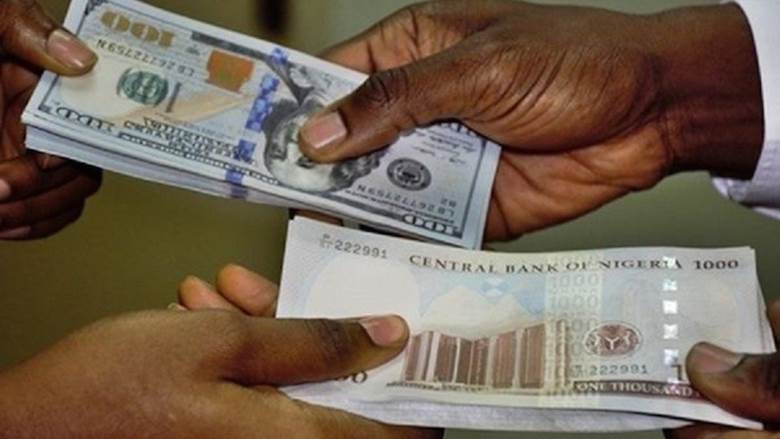
Nigeria’s naira strengthened to ₦1,418.26 per US dollar at the official foreign exchange market on Wednesday, January 7, 2026, reaching its strongest level in over a year under the current system. This development follows a steady climb since the end of 2025, when the naira closed at ₦1,430.84/$ on December 31. Data from the Central Bank of Nigeria (CBN) shows that between December 31 and January 7 the naira gained about ₦17 against the dollar, suggesting calmer markets and improving confidence among investors.
In official trading, it was observed that the naira appreciated daily: ₦1,429.30/$ on Monday, ₦1,419.06/$ on Tuesday, and ₦1,418.26/$ on Wednesday (January 7). Market volatility in the official window has been low, with rate differences generally within ₦8–12, a sign of orderly trading rather than sharp speculative swings. At the parallel (informal) market, the naira was weaker at around ₦1,467/$, showing different pressures outside official channels. Nigeria’s external reserves rose moderately to about $45.61 billion, which helps the CBN support the currency through interventions if needed.
An exchange rate shows how much local currency is needed to buy a foreign currency like the US dollar. A stronger naira can lower the cost of imported goods, reduce travel expenses abroad, and lessen inflationary pressure on basic items that depend on foreign inputs. A stable rate also builds investor confidence, which can attract more foreign investment.
Economists say the current improvements are linked to several developments:
• Ongoing forex reforms by the CBN to improve transparency and reduce sharp swings in rates.
• Sustained foreign currency inflows from oil, gas, and non-oil exports.
• Higher confidence from investors as Nigeria’s external reserves strengthened.
• Better regulation of Bureau de Change operations to narrow the gap between official and parallel markets.
Analysts at Meristem Securities project that in 2026 the official exchange rate could stay broadly between ₦1,350/$ and ₦1,528.57/$, supported by reserves and policy measures. Their outlook suggests a continued stable or contained market rather than sharp fluctuations.
Some market watchers say speculative activity in the parallel market might rise if foreign currency inflows fluctuate. These claims are not yet confirmed by official data.
Exchange rates are influenced by supply and demand for foreign currency. When Nigeria earns more foreign currency (for example, from oil exports), supply rises, which can strengthen the naira if demand stays stable. Other factors include monetary policy by the central bank, foreign investment flows, and global economic trends.
In times of currency movement, experts advise the following:
• Use official channels for foreign exchange — banks and licensed dealers — to reduce the risk of losses from fluctuating parallel rates.
• Plan ahead for large transactions. Monitor official rates before making significant forex purchases for business or travel.
• Diversify financial holdings where possible to spread risk if exchange rates change suddenly.
• Stay informed by following official updates from the CBN and reputable financial sources.
As of January 8, 2026, analysts and policymakers continue to watch how global economic conditions, foreign investment flows, and Nigeria’s export earnings shape the naira’s movement. Households and businesses are encouraged to stay alert to confirmed economic data and adjust plans accordingly.
By understanding how exchange rates work and practicing cautious financial planning, Nigerians can better protect their money during periods of currency change.