
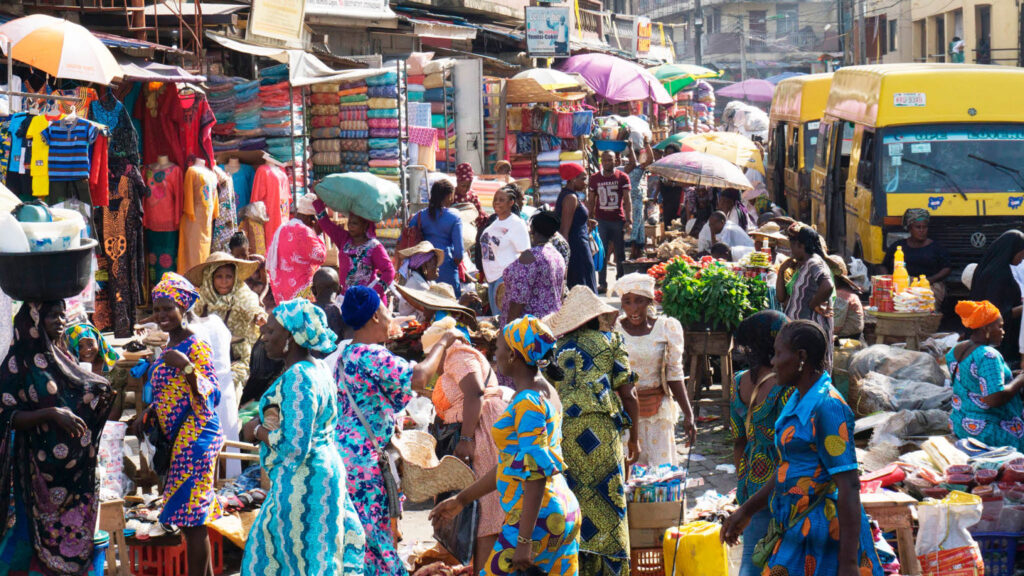
Household consumption in Nigeria contracted sharply in 2024, with spending at constant prices declining by N14.29 trillion from the previous year, according to the latest statistical bulletin from the Central Bank of Nigeria (CBN). The drop reflects the combined impact of high inflation and rising costs of essential goods and services.
The CBN data showed that household final consumption expenditure, measured at 2010 constant prices, fell from N45.41 trillion in 2023 to N31.12 trillion in 2024, representing a year-on-year decline of approximately 31 per cent. At current prices, however, spending increased from N146.69 trillion to N173.01 trillion, underscoring the effect of inflation rather than a rise in purchasing power.
Employee compensation at constant prices also fell from N28.27 trillion in 2023 to N25.48 trillion in 2024, even as nominal wages rose from N63.83 trillion to N75.59 trillion. Analysts interpret this as evidence of shrinking real incomes despite higher nominal pay.
Nigeria’s official inflation rate, reported by the National Bureau of Statistics (NBS), began the year at 29.9 per cent in January and climbed to 34.8 per cent by December 2024. Rising prices of food, transport, energy, and housing were the primary drivers of the sustained cost-of-living pressures.
Commenting on the trend, Muda Yusuf, CEO of the Centre for the Promotion of Private Enterprises, said: “Regrettably, the major inflation drivers are not receding; if anything, they have intensified. These include the depreciating exchange rate, surging transportation costs, logistics challenges, diesel price hikes, insecurity in farming communities, and structural bottlenecks to production.”
Dr Femi Egbesola, National President of the Association of Small Business Owners of Nigeria, added: “Inflation has led to a loss of consumers’ purchasing power, increased production costs, and a reduction in profitability. It has made businesses less attractive to investors.”
The World Bank reported that high inflation pushed an additional 14 million Nigerians into poverty in 2024, with 47 per cent of the population living below the international poverty line of $2.15 per day. In response, the Nigerian government launched temporary cash assistance programs targeting 15 million households, providing N75,000 in three instalments.
Authorities and economic analysts are monitoring trends in inflation and household consumption in 2025. The World Bank emphasized the importance of ongoing reforms to protect vulnerable households and support real income growth in the face of persistent inflationary pressures.