
U.S.–Venezuela Military Action and the Challenges to International Norms
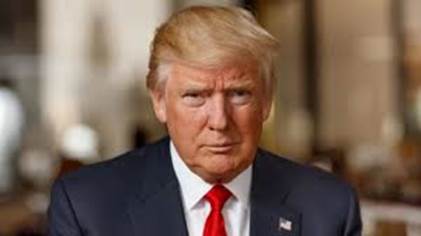
Reports of U.S. military activity in Venezuela, alongside a public statement by U.S. President Donald Trump claiming that Venezuelan President Nicolás Maduro has been captured, represent a significant development in Western Hemisphere affairs. Because of the scale and sensitivity of these claims, careful distinction is required between what has been independently confirmed and what remains unverified.
Beyond the immediate reports, the situation raises important questions about international law, regional stability, and the rules that govern the use of force between states.
Open-source reporting and coverage by multiple international media organisations confirm that on January 3, 2026:
- Explosions and military activity were observed in and around Caracas.
- Journalists and witnesses reported sounds and visible indicators consistent with military strikes.
These accounts establish that military activity took place on Venezuelan territory on the stated date.
Alongside these confirmed developments, the U.S. president publicly claimed that President Nicolás Maduro had been captured and removed from Venezuela. As of this writing:
- There is no independent confirmation of President Maduro’s capture.
- There is no verification from neutral observers, international organizations, or recognized third-party intermediaries regarding his whereabouts.
These assertions, therefore, remain claims, not facts, and should be treated accordingly until corroborated by independent sources.
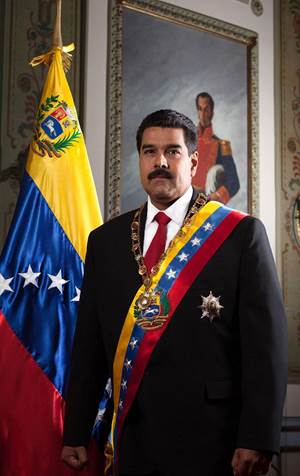
International law places clear limits on the use of force between states. Article 2(4) of the United Nations Charter prohibits military action that violates the sovereignty or territorial integrity of another country.
“All Members shall refrain in their international relations from the threat or use of force against the territorial integrity or political independence of any state, or in any other manner inconsistent with the Purposes of the United Nations.”
The recognized exceptions are narrow:
- Self-defense, following an armed attack, as provided under Article 51
“Nothing in the present Charter shall impair the inherent right of individual or collective self-defense if an armed attack occurs against a Member of the United Nations, until the Security Council has taken measures necessary to maintain international peace and security. Measures taken by Members in the exercise of this right of self-defense shall be immediately reported to the Security Council and shall not in any way affect the authority and responsibility of the Security Council under the present Charter to take at any time such action as it deems necessary to maintain or restore international peace and security.”
- Authorization by the UN Security Council
At present, there is no publicly available evidence that Venezuela carried out an armed attack against the United States that would trigger self-defense. There is also no indication of Security Council authorization for military action.
Although U.S. officials have framed the reported action in terms of counter-narcotics and counter-terrorism objectives, international law does not permit unilateral military intervention on these grounds alone. Standard practice requires reliance on legal mechanisms such as international cooperation, extradition agreements, or judicial proceedings before resorting to force.
The claim that a sitting president has been captured introduces additional legal considerations. Under customary international law, incumbent heads of state enjoy personal immunity from arrest or prosecution by foreign states. This principle exists to preserve stability and predictability in relations among sovereign states.
If confirmed, the forcible removal or detention of a sitting head of state would represent a serious departure from long-standing norms, with potential implications for how states interact during periods of conflict or political dispute.
Within the United States, the Constitution assigns war-making authority to Congress, while the executive branch is responsible for implementing authorized actions. Descriptions of the reported event as a “large-scale military operation” raise questions about:
- The legal authority under which the operation was conducted
- The degree of congressional involvement or oversight
Historically, U.S. presidents have relied on broad interpretations of executive power. Nevertheless, significant military actions undertaken without transparent congressional engagement often prompt political debate and institutional review.
Latin America’s historical experience with foreign intervention shapes how such developments are perceived across the region. As a result, unilateral military action in Venezuela is likely to generate concern among neighboring states.
Even governments that have criticized President Maduro’s leadership may be reluctant to support the use of force without:
- Regional consensus
- Multilateral or international authorization
Regional organizations, such as the Organization of American States, may face increased pressure to respond, particularly given the existing challenges related to migration, economic conditions, and security.
Beyond immediate legal and regional issues, the broader question is one of international norms. The global system relies on shared acceptance of limits on the use of force. When powerful states act unilaterally, especially against smaller or politically isolated states, they risk setting precedents that others may later invoke.
The strength of international norms depends not only on their formal existence but on their consistent application.
As the situation develops, several priorities remain clear:
- Independent verification of key claims, including the status of President Maduro
- Transparent clarification of the legal and operational framework involved
- Continued diplomatic engagement to reduce the risk of escalation
Reliable information and open channels of communication are essential to preventing misunderstanding and managing potential humanitarian consequences.
It is confirmed that military activity occurred in Venezuela on January 3, 2026. However, the most consequential claim—the capture of President Nicolás Maduro—remains unverified. Until independent confirmation is available, the situation should be approached with caution and analytical restraint.
In a period of heightened global tension, adherence to international law, verification of facts, and respect for established norms remain central to maintaining stability and credibility within the international system.
Pingback: Nicolas Maduro and THE united STATES: A Standoff Years in the Making Nicolas Maduro and THE united STATES: A Standoff Years in the Making - thoughtmedianetwork.com