
Abuja
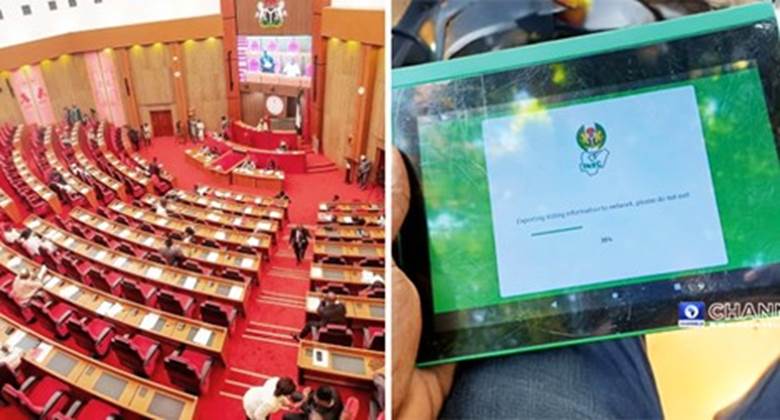
The Senate’s reversal on electronic transmission of election results has reignited national debate, shifting fresh scrutiny onto the Independent National Electoral Commission (INEC) as Nigeria edges closer to the 2027 general elections.
After widespread public backlash and protests, lawmakers amended the Electoral Act to allow electronic transmission of results to INEC’s Result Viewing Portal (IReV). However, the approval comes with a critical caveat: where electronic transmission fails due to technical or network challenges, manual result sheets (Form EC8A) will serve as the basis for collation.
The controversy began when the Senate initially removed the phrase “real-time” from the bill, retaining INEC’s discretion over result transmission. Civil society groups, opposition parties and activists accused lawmakers of weakening transparency, prompting protests under the banner “Occupy the National Assembly.”
Under pressure, the Senate reconvened and amended Section 60(3) of the bill. The revised provision mandates presiding officers to transmit results electronically after signing and stamping result sheets, countersigned by party agents where available, while allowing manual fallback where technology fails.
Senate President Godswill Akpabio defended the approach as pragmatic, especially in areas with poor internet coverage. Critics argue the reliance on Form EC8A — historically linked to electoral disputes — risks undermining the very transparency electronic transmission is meant to ensure.
INEC Chairman, Prof. Joash Amupitan, has sought to calm concerns, reaffirming the commission’s commitment to technology-driven elections and citing improvements to the BVAS system. However, experts warn that weak digital infrastructure, particularly in rural areas, remains a major challenge.
Political reactions remain divided. While the PDP dismissed the amendment as leaving loopholes for manipulation, the ADC described the Senate’s reversal as a victory for citizen pressure.
With harmonisation between the Senate and House of Representatives ongoing and presidential assent expected soon, attention has now firmly shifted to INEC’s capacity to deliver credible elections under the amended law.
For a deeper analysis of the Senate’s reversal, the political tensions behind it, and what it means for INEC and Nigeria’s 2027 elections, read the full detailed report on the TMN website.