
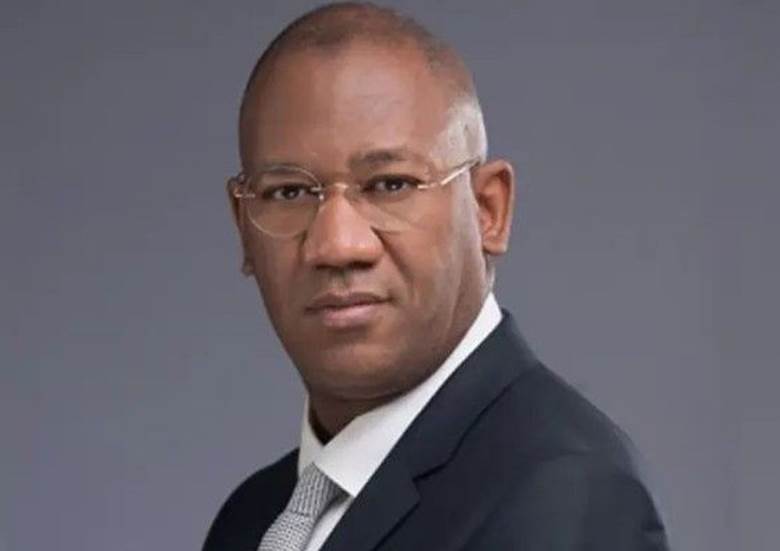
The Labour Party’s 2023 vice-presidential candidate, Yusuf Datti Baba-Ahmed, has said that defeating President Bola Ahmed Tinubu in the 2027 general elections will require sustained political mobilization and citizen engagement, rather than reliance on post-election court battles.
Baba-Ahmed made the remarks during an interview on the political programme “Nigeria Right Now,” excerpts of which were shared on the social media platform X on Thursday. His comments have since sparked fresh debate within political and civil society circles over the future direction of opposition politics in Nigeria.
In the interview, the Kaduna-born politician argued that Nigeria’s electoral and judicial processes were insufficient to address what he described as fundamental breaches during the 2023 presidential election. He maintained that the outcome of the election could not be effectively overturned through litigation alone.
According to Baba-Ahmed, the 1999 Constitution (as amended) was violated during the conduct of the election, but the courts, in his view, were unable or unwilling to fully remedy those violations.
“The Constitution was breached,” he said, insisting that judicial rulings alone could not substitute for popular resistance and political pressure.
His comments reflect lingering dissatisfaction among sections of the opposition following a series of court judgments that upheld Tinubu’s election after legal challenges by rival candidates.
Baba-Ahmed used the phrase “red eyes” to describe the level of determination he believes is required to defeat the ruling party in future elections, suggesting that meaningful political change demands resilience, courage and sustained public mobilization.
“You must be ready to show your red eyes if you want to defeat Tinubu,” he said, using the expression to emphasize political toughness rather than violence.
He stressed that electoral victories are rarely won through the courts alone and argued that history shows change often comes through persistent civic engagement and grassroots action.
Drawing parallels with Nigeria’s pro-democracy struggle of the 1990s, particularly the June 12 movement that followed the annulled 1993 presidential election, Baba-Ahmed said earlier generations of political actors did not depend on legal processes alone to defend their mandate.
Instead, he said, they mobilized citizens across the country, maintained pressure over long periods and were willing to endure hardship in pursuit of democratic justice.
According to him, that era demonstrated that sustained public resolve, rather than courtroom victories, was critical in challenging entrenched political power.
Baba-Ahmed argued that opposition figures seeking to unseat the ruling All Progressives Congress (APC) in 2027 must be prepared to confront what he described as entrenched political systems decisively.
He said opposition politics should focus more on grassroots mobilization, voter education and organizational strength, rather than placing excessive faith in judicial intervention after elections have already been concluded.
While he did not outline specific tactical steps or name potential opposition alliances, his comments align with growing discussions within opposition parties about rebuilding trust with voters, strengthening party structures and expanding their presence at the community level.
The remarks come against the backdrop of continuing debate over Nigeria’s 2023 general elections, which saw Tinubu declared winner of a closely contested presidential race. The outcome was challenged in court by opposition candidates, but the election was ultimately upheld through all legal stages.
Since then, opposition parties, including the Labour Party, have faced internal questions about leadership, cohesion and long-term strategy, particularly as preparations gradually begin for the 2027 electoral cycle.
Political analysts say Baba-Ahmed’s comments reflect a broader sentiment among some opposition figures who believe Nigeria’s democratic process requires structural reform and stronger citizen participation to restore public confidence.
Beyond party politics, Baba-Ahmed’s remarks echo wider calls from civil society groups and election observers for reforms aimed at improving transparency, electoral credibility and judicial independence.
Advocates argue that strengthening institutions, protecting votes and ensuring accountability at all stages of the electoral process are essential to preventing disputes that end up in court.
As Nigeria moves toward another election cycle, the debate over whether political change should be pursued primarily through legal channels or mass mobilization is expected to intensify.
Although Baba-Ahmed did not announce any formal political campaign or roadmap, his statements underscore a clear message: that defeating an incumbent government in Nigeria requires long-term planning, popular engagement and unwavering political resolve.
With the 2027 elections still two years away, opposition parties face the challenge of translating rhetoric into organization, rebuilding voter trust and convincing Nigerians that democratic change is achievable beyond the courtroom.
For now, Baba-Ahmed’s “red eyes” comment has added a new dimension to the evolving conversation about opposition politics, electoral strategy and the future of democracy in Africa’s most populous nation.